Anyone who buys gold, silver, platinum or palladium from the public and holds out to the public as a buyer needs a precious metals dealer permit from the local police or sheriff under G.S. 66-407, with a 30-day wait, fingerprints and a criminal background check, and every employee who buys must register with the same agency. For each purchase the dealer records your name, sex, race, address, phone and driver's license number, a description of the items with any engraving, and both signatures; if you have no unexpired photo ID, the dealer must take two other forms of identification. A copy goes to local law enforcement within 48 hours, the dealer keeps the record two years, and for seven days after reporting it cannot sell, melt, cut or move what it bought. A dealer cannot buy anything made of precious metal from someone under 18.
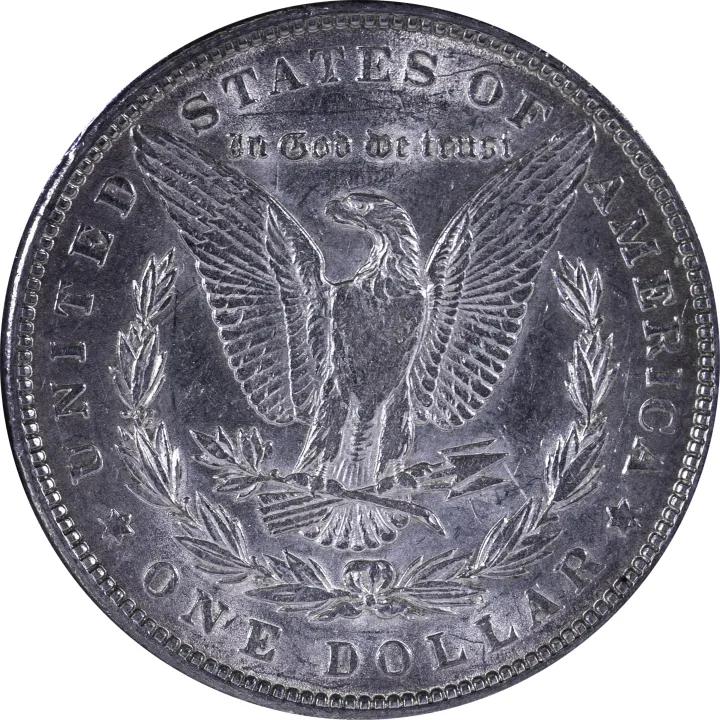
The law covers 10 karat gold and up, sterling silver, and high-purity platinum and palladium, but it excludes coins, medals, tokens, numismatic items and art bars, so coin sales fall outside the permit, report and hold rules. A shop paying cash for goods at its store still keeps a currency converter record with your ID number and your signed statement that the item is yours to sell (G.S. 66-392).
Pawnshops follow their own part of the law: no pledges from anyone under 18, and goods they take in pawn or buy stay in the shop until seven days after the electronic report or 30 days after the transaction, whichever comes first (G.S. 66-395). Breaking the dealer rules is a Class 2 misdemeanor and bars the dealer from a permit for three years.