Hawaii covers every business that buys previously owned goods, pawnshops and secondhand dealers included, under HRS chapter 486M. The moment a shop takes an item it must record your name, home address, date of birth and age, your signature, your Hawaii driver's license number (or the number of another government photo ID), a photograph of you, a description or photos of each piece with all its markings, an estimate of the metal's fineness and weight, and the price paid. Police can ask for copies of those records, and in Honolulu they are filed online. Only shops licensed on or before January 1, 2002 and open continuously since are excused from the photo and online filing rules.
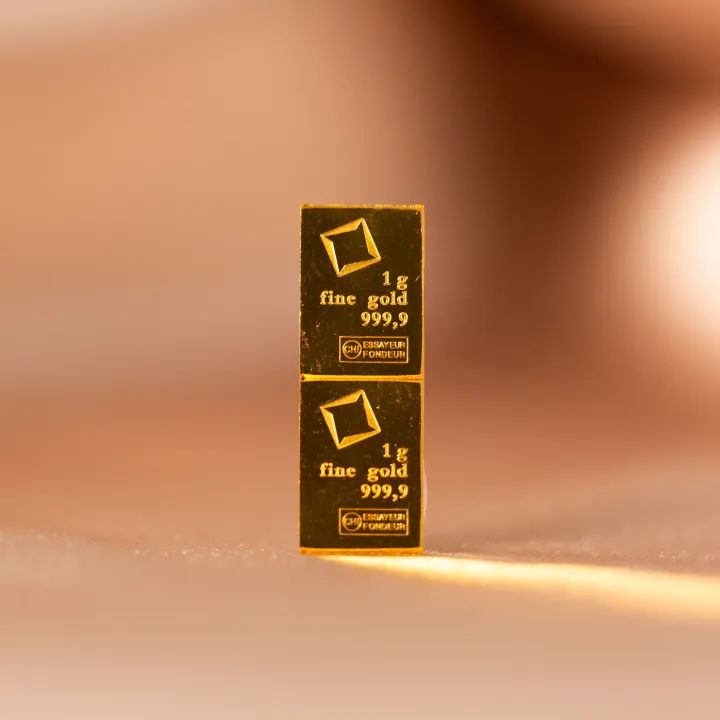
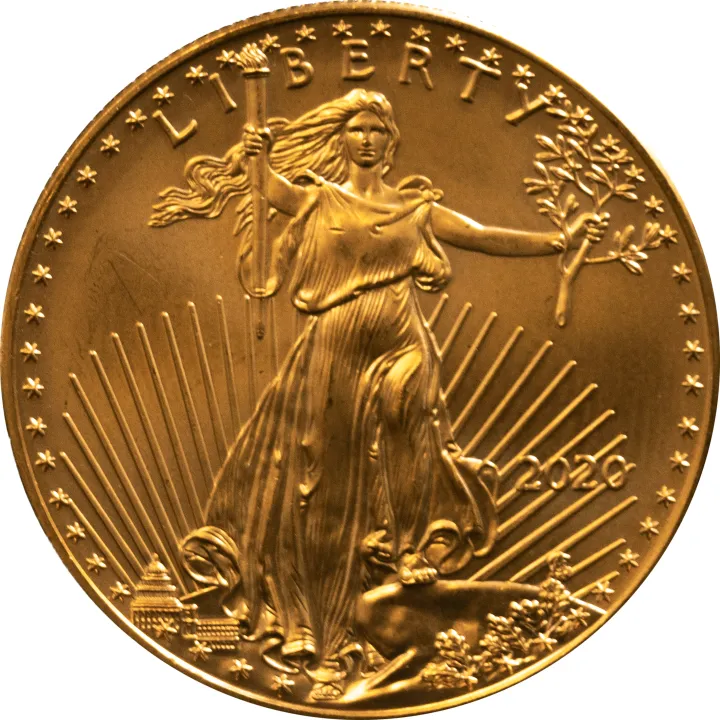
For 15 calendar days the shop may not melt, break apart or sell gold, silver, platinum or gems it bought, and every item must stay in the county where it was bought for that period. Bullion coins and bars fall outside the state's definition of precious metal, so the melting ban does not cover them, but the 15-day county hold applies to every item a dealer receives. Dealers may not buy from anyone under 18.
Where a county requires a secondhand dealer license, it names the place the business is carried on, and pawnbrokers need a county license (HRS 445-171 and 445-135). Chapter 486M sets no rule on how a dealer pays you.