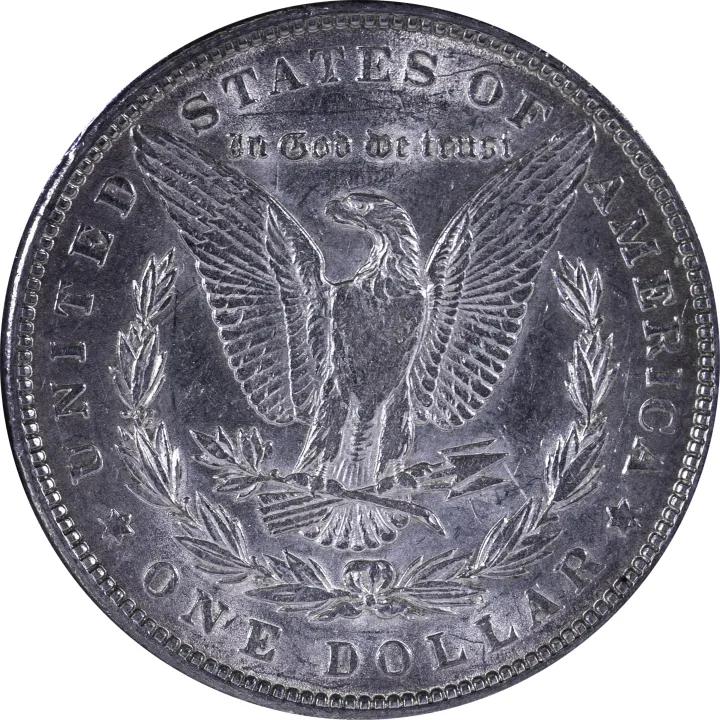
House Bill 2014 (2017) added a subtraction to Arizona gross income, now codified at ARS 43-1022, paragraph 25: for tax years beginning after December 31, 2017, you may subtract any net capital gain derived from "the exchange of one kind of legal tender for another kind of legal tender." The same section defines legal tender as a medium of exchange authorized by the U.S. Constitution or Congress, including "specie," which it defines as coins having precious metal content. Because U.S. dollars are also legal tender, this in practice covers gains on U.S.-issued gold and silver coins, such as American Eagles, sold for cash. It does not extend to foreign coins that are not U.S. legal tender, or to bullion bars, rounds or private-mint products, none of which meet the statute's definition of specie.
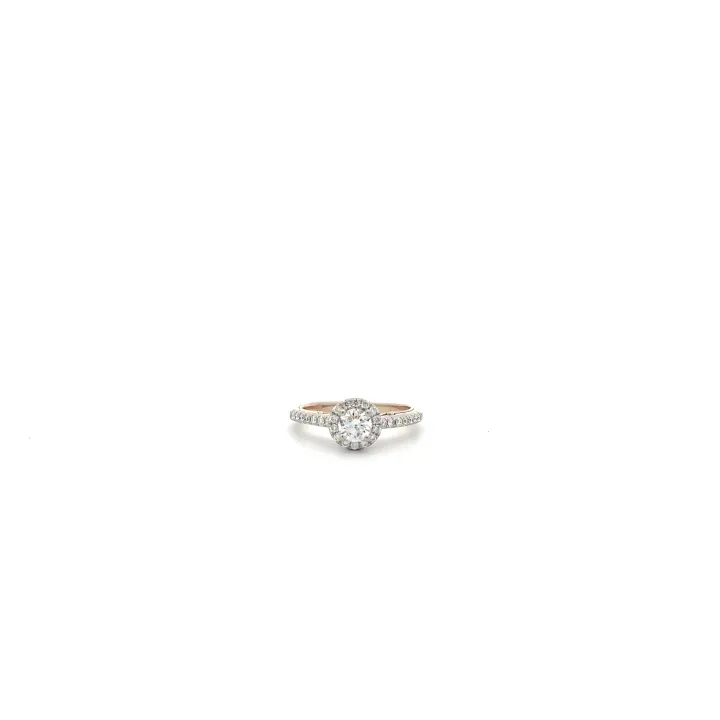
Outside that narrow state subtraction, your cost basis is what you originally paid, or for inherited pieces, the value on the date of death, which is why inherited jewelry and coins often carry little or no taxable gain. Federally, the IRS treats physical precious metals (bullion, coins and jewelry alike) as collectibles, taxed at your ordinary rate up to a 28% cap when held more than a year, and as ordinary income when held a year or less. A dealer files IRS Form 1099-B only when you sell a form of gold, silver, platinum or palladium that settles a CFTC-approved futures contract, in at least the contract quantity, with sales inside 24 hours added together. Single coins, small lots, jewelry, scrap and dental gold fall outside that test. A missing 1099-B does not remove your obligation to report a gain.