$4,119.08
Gold
+9.95
Located in Salem, Oregon
Discover essential tips and insights in our Bullion Buyer's Guide to make informed investments in gold, silver, and precious metals.
Physical gold, silver, platinum, and palladium protect your portfolio against inflation and market volatility. As Oregon's most trusted bullion dealer, we offer live-priced inventory you can hold in your hands.



Bullion is a precious metal, like gold, silver, platinum, or palladium, that is valued primarily for its weight, purity, and metal content rather than its rarity or collectible factor. So, for example, a gold wedding band may not be considered bullion because its value is primarily from being a beautiful, decorative piece. But a one ounce bar of .9999 gold would be bullion because its main purpose is its value as a metal.
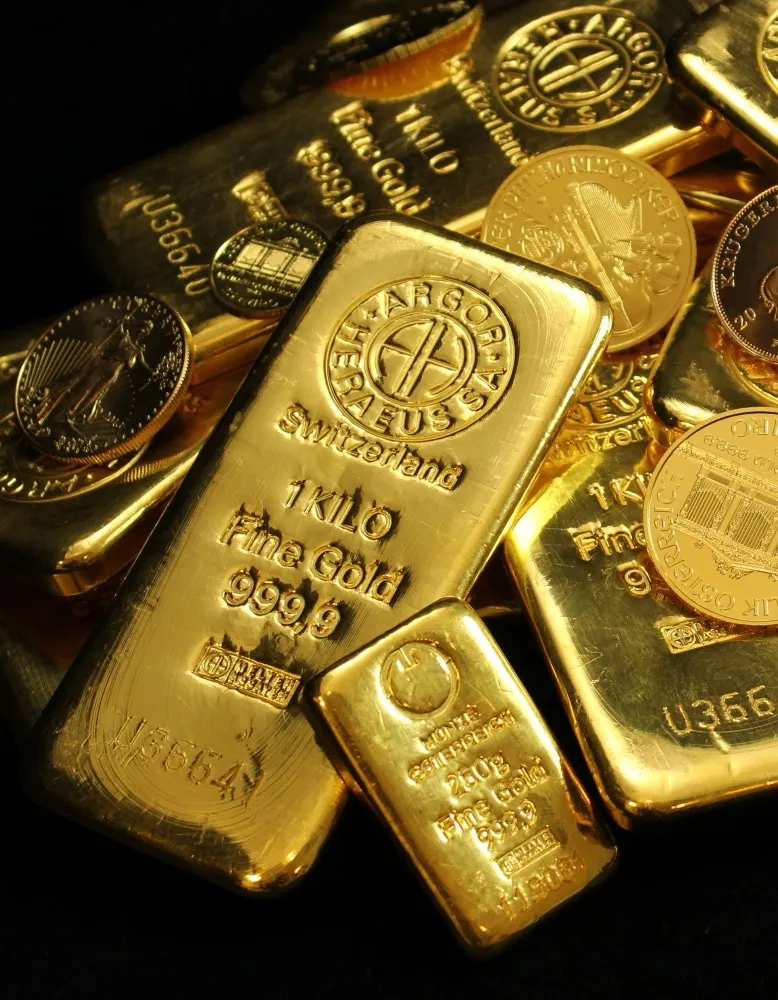
Bullion usually comes as coins, bars, or rounds. Coins are made by government mints, rounds are made by private mints, and bars come in sizes from a single ounce to a kilo or more. Each piece is stamped with its weight, its purity, and the mint or refiner that made it, which is what makes it easy to price and easy to trade.
Bullion is typically what you should buy if you are purchasing precious metals with the intent to invest. Many investors hold it to diversify a portfolio and hedge against inflation, and because it is a physical asset you can hold in your hands. Bullion is sold for the live market price of the metal plus a small premium, and its price can rise as well as fall. This is general information, not financial advice.
$4,119.08
10 year trend
$60.07
10 year trend
$1,639.74
10 year trend
Gold and silver have been used as money and stores of value for thousands of years. Civilizations like Ancient Egypt, the Byzantine Empire, and the Romans have all used them as forms of currency. Other types of bullion, like palladium and platinum, have not been used as long, but their rarity and use in modern technologies make them very promising for investors.
Bullion has lots of strengths and advantages over other forms of investment. For one, bullion is a physical asset that you can hold, which means it isn't tied to a bank. This also means that you can collect cool designs and show off your bullion to your friends. It is also a great way to diversify your portfolio, because the prices of gold and silver typically move much differently than stocks and bonds, which often heavily impact each other. One final advantage is that it is recognized and traded across the world, which makes it amazing as a hedge against inflation.
Bullion also has drawbacks. Its price can fall as well as rise, it does not pay interest or dividends, and you may want to plan for secure storage and insurance. It is important to be aware of risks before you invest. This is not financial advice, just general information on bullion so you can determine whether or not you want to invest.
Another option for investment is to roll over your IRA into gold and silver. Check out our guide on the topic if you are interested.
When you decide that you want to sell your bullion, it can be frustrating to find a place that offers you a good value. If you are not careful, you can lose a lot of money by selling your valuable coins and bars to a pawn shop or an untrustworthy gold buyer.
At Accurate Precious Metals, we offer a free and insured* mail-in kit sent directly to your house. You can package up your bullion and send it to us for no cost, and we will give you a fair offer. If you decline, we can send your items back. This means that we are one of the safest places you can sell your bullion, because if you aren't happy with the offer you can keep shopping around.
 Gold Bullion
The classic store of value, in coins, bars, and rounds of many sizes.
View gold bullion
Gold Bullion
The classic store of value, in coins, bars, and rounds of many sizes.
View gold bullion
 Silver Bullion
An affordable way to start, with coins, rounds, and bars of every size.
View silver bullion
Silver Bullion
An affordable way to start, with coins, rounds, and bars of every size.
View silver bullion
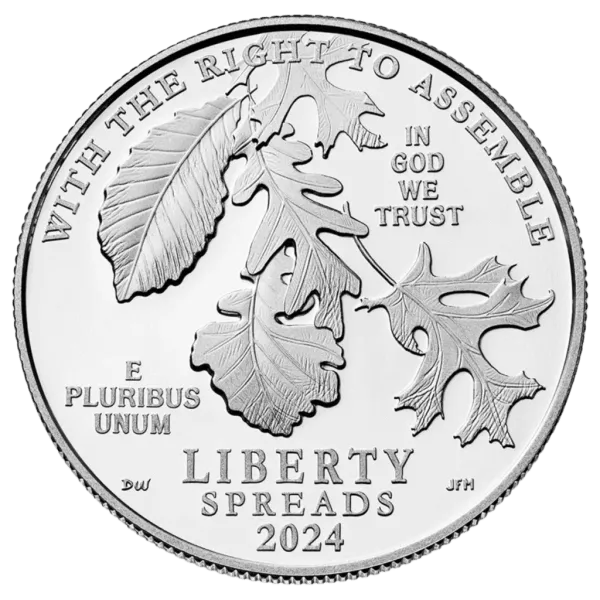 Platinum Bullion
Rarer than gold, with strong demand from industry.
View platinum bullion
Platinum Bullion
Rarer than gold, with strong demand from industry.
View platinum bullion
 Palladium Bullion
A rare metal used heavily in catalytic converters, in coins and bars.
View palladium bullion
Palladium Bullion
A rare metal used heavily in catalytic converters, in coins and bars.
View palladium bullion
Bullion comes in three main forms. Each holds the same pure metal, so the right choice comes down to size, price over the metal's value, and how easily you want to sell it later.
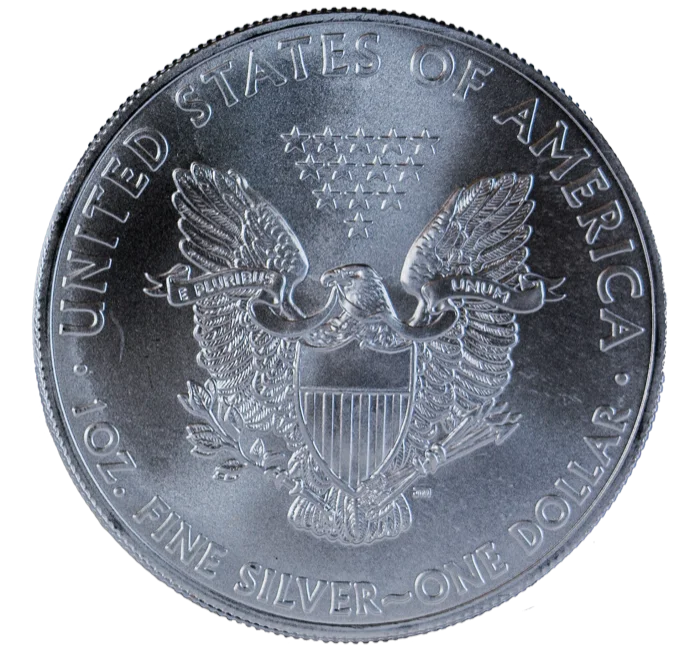
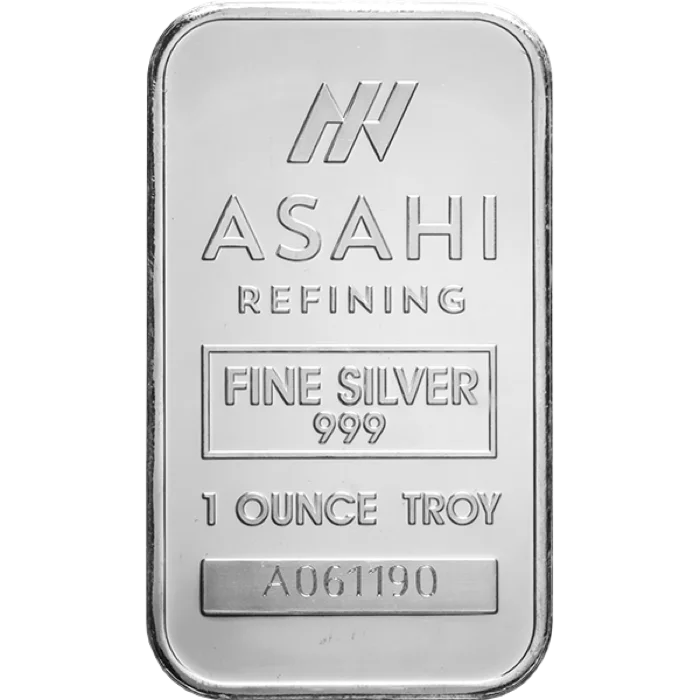
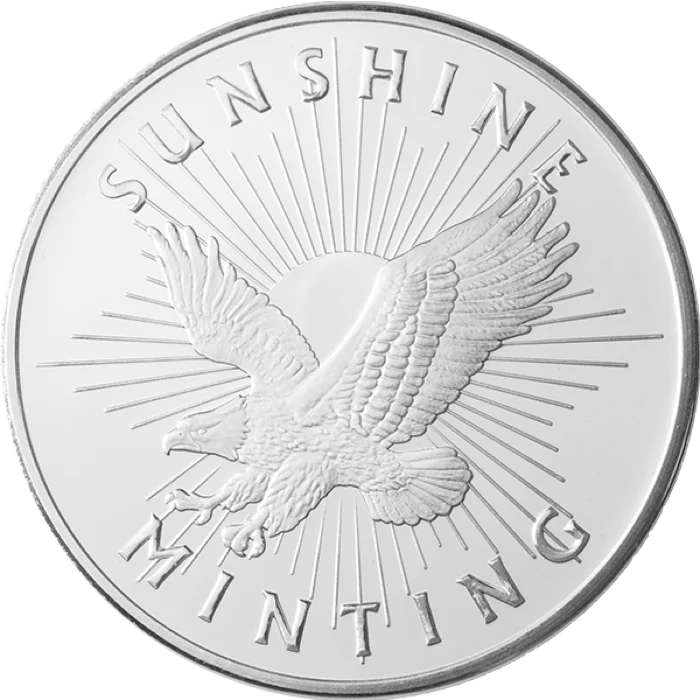
Premiums vary by product, size, and the market. See current options in our gold, silver, platinum, and palladium shops.
Bullion is priced from the spot price, which is the live market price of one troy ounce of the raw metal. Spot changes throughout the trading day. You can follow it on our live spot price charts for gold, silver, platinum, and palladium.
The price you pay is spot plus a premium. The premium covers the cost to mint, refine, ship, and sell the product, plus the dealer's margin. Premiums are usually higher on coins, which are made by government mints and are easy to resell, and lower on larger bars and rounds. Smaller sizes also carry a higher premium per ounce than larger ones.
Premiums move with demand, too. When buying is heavy they can rise, and when it is quiet they can fall. That is why two products with the same weight and purity can cost different amounts. When you sell, a dealer pays you based on the weight and purity of your metal and the current spot price, less the dealer's margin.
Spot price
The live market price of the raw metal, per troy ounce
Premium
Minting, refining, shipping, and dealer margin
Your price
What you pay for the coin, bar, or round
| Fineness | Percent pure | Where you see it |
|---|---|---|
| .999 | 99.9% | Most silver bars and rounds, and many gold bars |
| .9999 | 99.99% | Gold Buffalos and Silver and Gold Maple Leafs |
| .9995 | 99.95% | Platinum and palladium bullion |
| .9167 (22k) | 91.67% | American Gold Eagles |
| .900 | 90% | Junk silver coins |
| Metal | Common sizes |
|---|---|
| Gold | 1 gram, 1/10 oz, 1/4 oz, 1/2 oz, 1 oz, 10 oz, 1 kilo |
| Silver | 1 oz, 10 oz, 100 oz, and larger bars |
| Platinum and palladium | Mostly 1 oz coins and bars |
Purity, also called fineness, is the share of a product that is pure metal. A .999 fine bar is 99.9% pure, and .9999 is 99.99% pure. Gold is also measured in karats, where 24k is pure gold.
Bullion size is measured in troy ounces, which are a little heavier than the ounces you use in the kitchen. One troy ounce is about 31.1 grams. Smaller sizes are easier to sell in pieces, while larger sizes usually cost less per ounce over spot.
Always check the stamp on the coin or bar. It should show the weight, the purity, and the mint or refiner that made it.
We'll email you the moment it's back in stock.
You're on the list!
We'll notify you at as soon as this item is available.