This content is for educational purposes only and is not financial or investment advice. Precious metals prices fluctuate; past performance does not guarantee future results. Consult a qualified professional before making investment decisions.
Tap the image to enlarge and zoom.Hover to magnify, or click to open full screen.
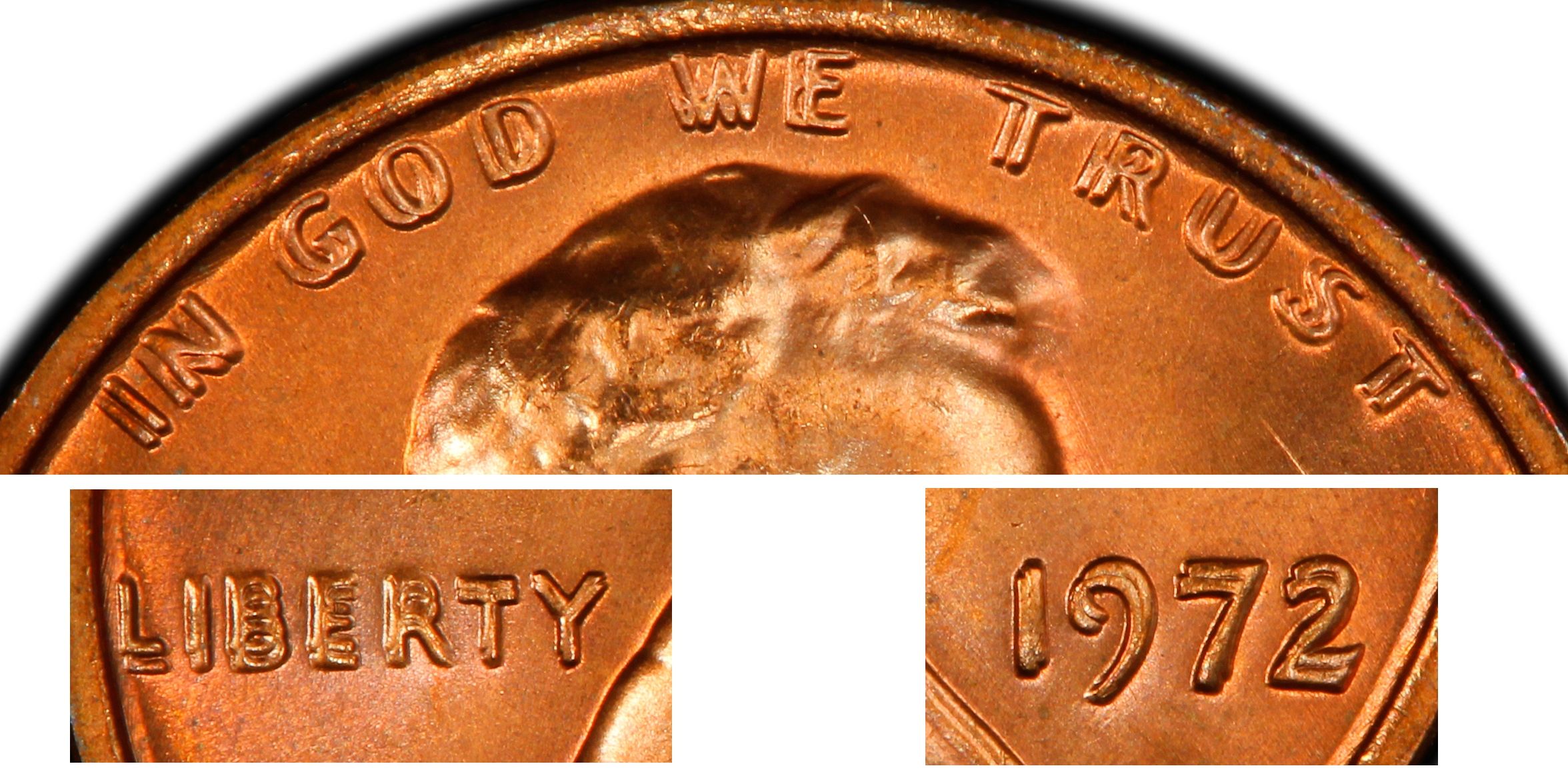
The 1972 Doubled Die Lincoln Cent is one of the best-known modern coin varieties in American collecting, and it earned that reputation the hard way: by being visible to the naked eye. Most doubled dies need a loupe and good light to confirm. This one shows up as clear, spread lettering on the date and motto that anyone can learn to spot in a few minutes.
That combination of drama and accessibility is why the coin still shows up in coin shop trays, estate collections, and online auctions decades after it left the Philadelphia Mint.
What Is the 1972 Doubled Die Lincoln Cent?
The 1972 Doubled Die Lincoln Cent is a Philadelphia-minted copper penny where the die used to strike the coin was itself doubled during manufacturing, creating a second, slightly offset image of the date and lettering. The coin is officially called the 1972-P Doubled Die Obverse Type 1, and collectors often reference it by its Fivaz-Stanton catalog number, FS-101.
Like every regular 1972 cent, it is made of 95% copper and 5% zinc and weighs about 3.11 grams. What sets it apart is not the metal, it is the die. A worker preparing the master die accidentally created a slight rotation between two impressions, so the design elements ended up doubled before a single coin was ever struck.
FS-101
Attribution Number
3.11 g
Coin Weight
95% Cu / 5% Zn
Composition
10+
Known 1972 Doubled Dies
How Did the 1972-P Doubled Die Become Famous?
The 1972-P doubled die became famous because the doubling on the date and lettering is strong enough to see without magnification, which is rare for a die variety. Most doubled dies are subtle and require a coin loupe. This one is not.
Collectors in the 1970s started pulling these cents straight from rolls and pocket change, and word spread through coin clubs and early hobby publications. By the time third-party grading services began certifying coins in the 1980s and 1990s, the 1972-P Type 1 already had a following, and that early demand helped set the market for decades.
1972 Doubled Die Timeline
1972
Coin struck at the Philadelphia Mint A die alignment error creates dramatic doubling on the obverse
1970s
Discovered in circulation Collectors notice the doubling on the date and LIBERTY by eye
1980s-1990s
Attribution and cataloging The variety gets documented and later assigned FS-101
Present
Certified examples trade at auction High-grade Mint State and Gem examples draw strong bidding
What Makes the 1972-P Type 1 Different From Other 1972 Doubled Dies?
The 1972-P Type 1 stands out because it shows strong, consistent doubling on all four digits of the date plus LIBERTY and IN GOD WE TRUST, while more than ten other 1972 doubled dies exist that show only minor or partial doubling. Variety specialists have documented over a dozen 1972 doubled die dies in total, but only Type 1 became the coin collectors chase.
That matters for pricing. A minor 1972 doubled die with weak, hard-to-see spread on one letter is not the same coin as the Type 1, and it will not carry the same premium, even though both technically qualify as doubled dies.
ℹ️ Info: More than 10 doubled dies are known for 1972, but only one turned into a household name among collectors. It shows how a single standout die can define an entire year for an entire hobby.
How Do You Identify the Major 1972 Doubled Die Variety?
You identify the major 1972-P Type 1 by checking three spots on the coin's obverse: the date, LIBERTY, and IN GOD WE TRUST. Strong, rounded separation in all three areas is the signature of this variety.
How to Check a 1972 Cent for the Major Doubled Die
1
Check the date Look at all four digits, 1-9-7-2, for a clear southwest-leaning double image
2
Check LIBERTY The letters should show doubling that leans downward and slightly south
3
Check the motto IN GOD WE TRUST typically shows strong doubling leaning east
4
Confirm the shape True doubled die images are rounded and separated, not flat or shelf-like
5
Compare to references Match what you see against known photos of FS-101 before assuming value
The last step matters more than people think. A lot of 1972 cents show what looks like doubling but is actually a flattened, shelf-like distortion from the coin bouncing slightly during striking. That is a different thing entirely, and it is covered in the next section.
Machine Doubling vs a True Doubled Die: What Is the Difference?
Machine doubling creates a flat, shelf-like smear on part of a letter or number, while a true doubled die creates a rounded, fully separated second image because the doubling was baked into the die itself before striking. This is the single biggest reason people overpay for the wrong 1972 penny.
True Doubled Die vs Machine Doubling
Pros
✓ True doubled die shows rounded, separated design elements
✓ True doubled die comes from an error in the die, present on every coin struck from it
Cons
✗ Machine doubling looks flat and shallow, almost smeared
✗ Machine doubling happens during striking and does not add collector value
If a listing calls a coin a "doubled die" but the photos show a flat smear rather than a rounded second image, treat it as a normal cent. Buy the coin based on what you can verify, not the label attached to it.
How Much Is a 1972 Doubled Die Penny Worth?
A 1972 doubled die penny is worth anywhere from face value, if it is a common circulated coin with no real doubling, up to several hundred or even a few thousand dollars for a certified, high-grade Philadelphia Type 1. Grade and correct attribution drive almost all of the price difference.
Grade or Condition
Typical Value Range
Circulated, worn Type 1
Low hundreds or less
Mint State Type 1
Several hundred dollars
Gem/Superb Gem Type 1 (MS67 and up)
Into the thousands
Minor or unattributed 1972 doubling
Little to no premium over face value
Auction results show the range in real terms. One reported PCGS auction sale of a Type 1 in MS67+ Red brought $350, while other high-grade examples have been offered at several thousand dollars depending on the exact grade, the auction house, and how many bidders were chasing that specific coin at that specific moment. Timing and competition among registry-set collectors move these numbers around quite a bit.
It helps to remember that this coin's value has nothing to do with its copper content. A plain 1972 cent is worth its face value in melt terms since it is mostly copper, not silver or gold, and the current spot price of copper is not what drives demand for this variety. Collector premiums here come from scarcity and eye appeal, the same forces that drive value across rare 1955 doubled die Lincoln cents and other famous varieties.
What About the 1972-D and 1972-S Doubled Dies?
Doubled dies also exist for the 1972-D Denver cent and 1972-S proof issues, but neither carries the fame or the price of the Philadelphia Type 1. These are separate varieties from separate dies, and mixing them up is one of the more common mistakes new collectors make.
1972-D doubled dies exist but are generally much less known and less studied
1972-S proof doubled dies are documented separately from circulation-strike varieties
Neither the Denver nor the proof doubled dies match the demand of the 1972-P Type 1
Sellers sometimes blur these distinctions to justify a higher asking price
If you see a "1972 doubled die" for sale, ask specifically which mint and which type. A Denver coin marketed with Philadelphia-level pricing is a red flag worth walking away from.
How Does the 1972 Doubled Die Compare to Other Famous Lincoln Cent Varieties?
The 1972-P Type 1 sits alongside a small group of Lincoln cent doubled dies that collectors treat as must-have pieces for a complete variety set, including the 1969-S doubled die cent and the earlier 1955 doubled die cent. Each one became famous for the same basic reason: the doubling is dramatic enough to see without special equipment.
What separates 1972 from 1969-S is scale. The 1972 mintage was enormous, so more examples survive, which keeps prices more accessible than the tougher 1969-S variety in most grades. The Lincoln cent series has a long run of these standout moments, going all the way back to earlier one-cent designs like the Flying Eagle cent, and 1972 turned out to be one of the busiest years the series ever had for die errors. It was also a notable year elsewhere in U.S. coinage, with collectors separately tracking 1972 Eisenhower dollar values from the same production year.
What Are Common Misconceptions About the 1972 Doubled Die Cent?
The biggest misconception is that every doubled-looking 1972 penny is valuable, when in fact most doubling seen on 1972 cents is either machine doubling or one of the minor, low-value doubled dies. Only the Type 1 obverse commands strong collector demand.
Not every doubled-looking 1972 cent is worth a premium
Machine doubling is not the same thing as a true doubled die
The Denver and proof doubled dies are not the same coin as the famous Philadelphia Type 1
A doubled die reverse is not the main story on this coin, collectors focus on the obverse
A seller's claim of doubling without matching attribution is not enough to justify a premium price
What Should You Do Before Buying or Selling a 1972 Doubled Die Cent?
Before buying or selling a 1972 doubled die cent, verify the variety yourself against known reference photos and lean on professional grading and attribution rather than trusting a listing description alone. The market for this coin depends entirely on getting the exact variety right.
Examine the coin under strong light with magnification, even though the doubling is visible to the eye
Compare the date, LIBERTY, and motto against confirmed FS-101 reference images
Ask for grading service attribution rather than relying on a seller's word
Treat online "doubled die" claims with some skepticism until you can verify them
Remember that condition changes the price far more than most sellers admit upfront
Working with an NGC authorized dealer for grading and attribution takes a lot of the guesswork out of this process, especially for a variety where a small difference in doubling strength can mean a large difference in price.
Frequently Asked Questions
What is a 1972 doubled die Lincoln cent?
It is a 1972 copper cent struck from a die that itself carried a doubled image, most famously the Philadelphia Type 1 obverse variety known as FS-101.
How much is a 1972 doubled die penny worth?
Values range from under $100 for rough, low-grade examples to several hundred or even a few thousand dollars for certified, high-grade Type 1 coins, depending on condition and demand at the time of sale.
How do I know if my 1972 penny is the doubled die?
Check for strong, rounded doubling on all four date digits, LIBERTY, and IN GOD WE TRUST, then compare your coin to confirmed Type 1 reference photos before assuming it has extra value.
Is the 1972 doubled die penny rare?
The major Philadelphia Type 1 is scarce and actively collected, while most of the other 1972 doubling varieties are common or add little to no premium.
What is FS-101 on a 1972 penny?
FS-101 is the standard catalog attribution number collectors use for the major 1972-P Doubled Die Obverse variety.
Does a 1972-D doubled die exist?
Yes, a Denver doubled die exists for 1972, but it is a separate, less famous variety from the well-known Philadelphia Type 1.
Why do so many 1972 pennies look doubled?
Many show machine doubling, a flat, shelf-like distortion from the striking process, which is not the same as a true die-based doubled die and does not carry the same collector value.
What does MS67 Red mean on a 1972 doubled die cent?
It refers to a Mint State grade of 67 with strong original red copper luster, one of the higher grades a certified example can reach.
If you collect Lincoln cents or want to see what other rare copper varieties are currently available, it is worth browsing what we have in stock, and if you have a 1972 cent or any other collectible coins you are ready to part with, you can always mail in your coins for an offer or stop by our Salem, Oregon location in person.
Make the smart choice — invest with Accurate Precious Metals
Whether you are buying bullion for the first time or adding to a long-term position, our team offers expert guidance, transparent pricing, and a reliable buyback program.