
Like our coverage? Add Accurate Precious Metals as a preferred source on Google.
Understanding mint errors can transform a casual coin collector into a knowledgeable enthusiast. This article explores the fascinating world of error coins, detailing types, values, and insights from the Professional Coin Grading Service (PCGS). Dive into this guide to discover why these unique coins hold significant value in the numismatic market.
If you are interested in buying some cool coins, or selling/evaluating coins that you think might have rare errors, check out Accurate Precious Metals Refineries! Our expert team can help figure out what your coins are worth and buy them from you, from anywhere in the US.
What Are Mint Errors and Why Do They Matter?
Mint errors occur during the coin production process and can lead to unique and rare varieties. These errors can significantly affect a coin’s value, turning what might be a standard piece into a sought-after collectible. For collectors, understanding these mint errors is crucial for identifying valuable coins in their collections.
What are the Different Types of Mint Errors?
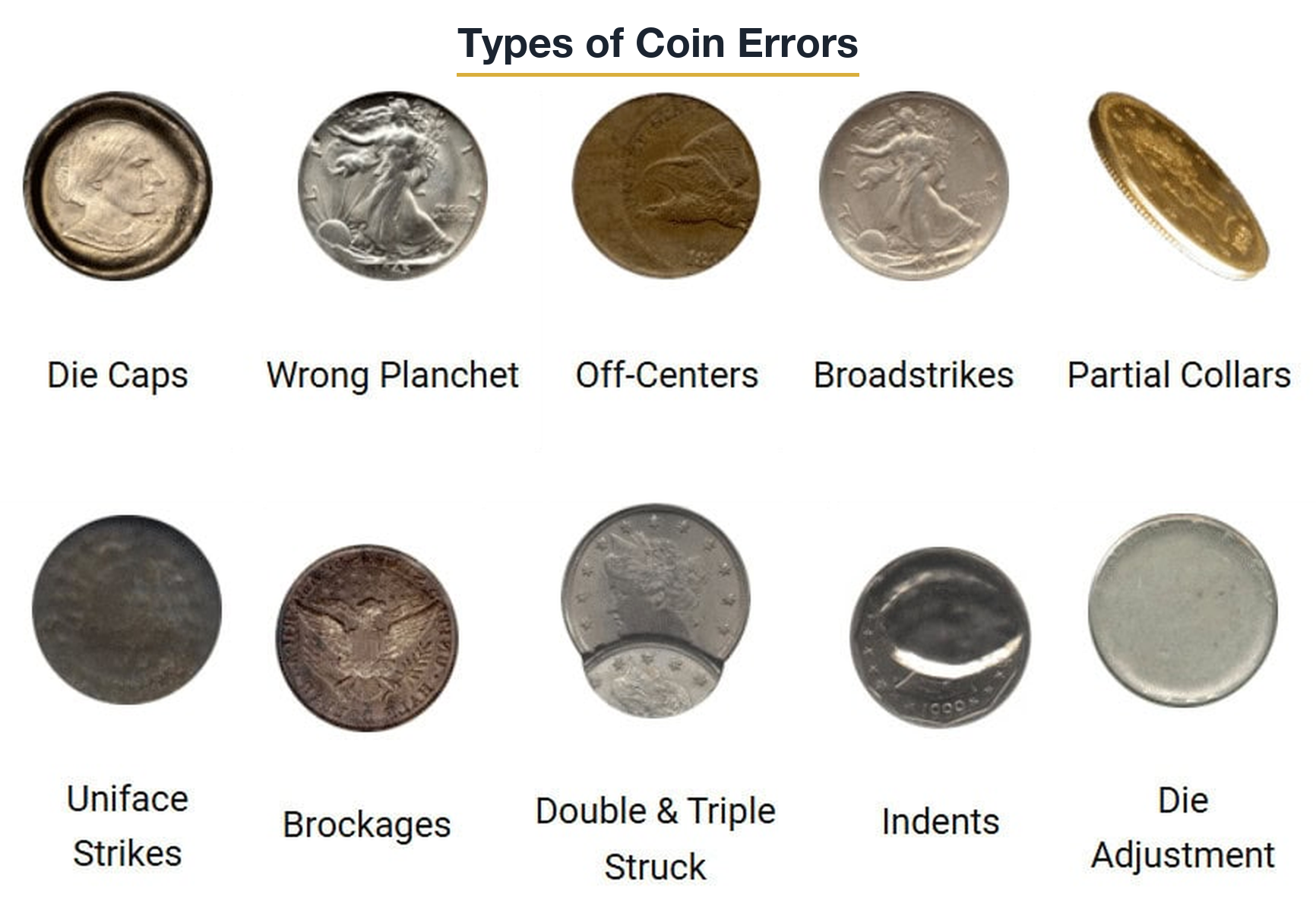
Die Caps – A struck coin sticks to the die and wraps around it, so the next blanks are stamped into a cup-shaped "cap." They're among the most dramatic and sought-after errors, and they look more like a thimble than a coin.
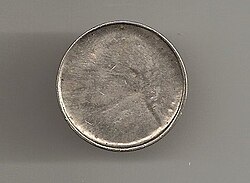
Wrong Planchet – The coin was struck on a blank meant for a different denomination or metal, such as a dime design on a penny blank. The size, weight and color don't match the coin it's supposed to be.
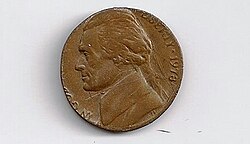
Off-Centers – The blank wasn't lined up with the dies, so only part of the design landed on the coin and the rest is a smooth, blank crescent. Collectors usually pay more the further off-center it is, as long as the date is still visible.
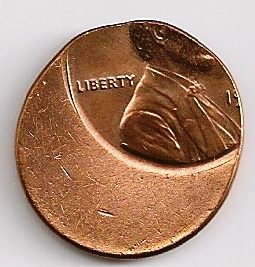
Broadstrikes – The coin was struck without its retaining collar, so the metal spread outward. The result is a wider, flatter coin with a smooth edge and a full-size design.
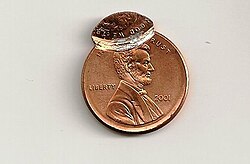
Partial Collars – The collar only partly surrounded the blank during the strike, leaving uneven edge reeding and a lopsided or flared look. The coin often sits at a slight angle, as if it's tilting.
Uniface Strikes – Only one side received a design and the other is left blank and smooth. The coin looks like it was only half made.
Brockages – A coin got stuck in the press, and the next blank was struck against it. That leaves a mirror-image, sunken copy of the design on one side. They're distinctive and easy to spot once you know what you're looking at.
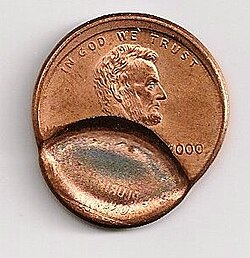
Double & Triple Struck – The coin was struck two or more times, and it moved slightly between strikes. The result is overlapping or doubled images, sometimes with a second impression shifted partly off the coin.
How Does an Error Coin’s Grade Affect Its Value?
The grade assigned to an error coin plays a crucial role in determining its market value. Coins graded in mint state (MS) condition, free from wear and imperfections, typically command higher prices. In contrast, lower-grade coins may be less desirable, even if they possess rare mint errors.
Factors influencing a coin’s grade include its strike quality, surface preservation, and overall aesthetics. For instance, a doubled die obverse coin in MS condition can sell for thousands of dollars, while the same error in lower grades may only fetch a fraction of that price. Collectors should familiarize themselves with grading terminology and standards to make informed purchasing decisions.
Where Can You Buy or Sell Error Coins?
When looking to buy or sell error coins, consider reputable dealers and auction houses that specialize in numismatics. Accurate Precious Metals, for example, is a trusted dealer for purchasing gold and silver products, including error coins. They provide a reliable platform for collectors to explore various coins for sale.
Online auction platforms also offer a wide selection of error coins, allowing collectors to bid on rare finds from the comfort of their homes. Always conduct thorough research before making purchases to ensure you deal with reputable sellers, especially in the error coin market, where authentication is crucial.
What Are Some Famous Error Coins?
1943 Copper Cent – In 1943 cents were supposed to be made of zinc-coated steel to save copper for the war. A few leftover copper blanks got struck by mistake, and only a small number are known today. They're among the most valuable error coins in the hobby, and fakes are common, so get one authenticated.
1944 Steel Cent – The reverse of the 1943 copper cent: a few steel blanks stuck around after the mint switched back to copper. It's very rare, and a magnet is the first quick check, since a real one sticks.
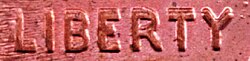
1955 Doubled Die Obverse Cent – A misaligned die gave this Lincoln cent obvious doubling on the date and the words "LIBERTY" and "IN GOD WE TRUST." Many people can spot it with the naked eye, which is why it's one of the best-known error coins.
1969-S Doubled Die Obverse Cent – A much scarcer doubled die from San Francisco, with strong doubling on the front. Genuine examples are rare and fakes exist, so authentication matters.
1972 Doubled Die Obverse Cent – Another easy-to-see Lincoln cent doubling, especially on the lettering and date. It's a popular, more affordable way to start collecting doubled dies.
1937-D Three-Legged Buffalo Nickel – A die was over-polished and one of the buffalo's legs was wiped away. The "three-legged" Buffalo nickel is a collector favorite.
1942/1 Mercury Dime – The die was stamped twice with different dates, so a "2" sits on top of a "1." Overdates like this are prized because the second date is visible under the first.
2004-D Wisconsin "Extra Leaf" Quarter – A die flaw added what looks like an extra leaf on the corn stalk on the back. It comes in "high leaf" and "low leaf" versions, and it's an easy one to look for in pocket change.
2000-P "Cheerios" Sacagawea Dollar – These came in General Mills Cheerios promotional boxes and have a distinctive, more detailed set of tail feathers on the eagle. Strictly speaking it's a die variety rather than a mistake, but collectors treat it like an error coin.
1990 No-S Proof Lincoln Cent – Proof coins should carry an "S" mint mark, but a die without one slipped into production. They were only found in sealed proof sets, which makes them a good example of a "missing mint mark" error.
Sources
PCGS. “Price Guide.“ Professional Coin Grading Service, https://www.pcgs.com/prices.
Coin World. “Understanding Error Coins.“ Coin World, https://www.coinworld.com/
CONA. “Error Coins Guide.” CONECA, https://conecaonline.org/.
Make the smart choice: invest with Accurate Precious Metals
Whether you are buying bullion for the first time or adding to a long-term position, our team offers expert guidance, transparent pricing, and a reliable buyback program.
Ready to invest wisely?