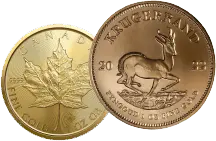
If you want to track and organize a coin collection the right way, you need more than a shoebox and a good memory. A growing collection of gold, silver, and numismatic coins represents real financial value – and without a solid system, that value can slip through the cracks through misidentification, improper storage, or simple disorganization.
This guide walks through everything a serious collector needs: digital record-keeping, physical storage, categorization methods, grading basics, and when it makes sense to appraise or sell. Whether you have 20 coins or 2,000, the principles are the same.
Coin collecting sits at the intersection of history and finance. The hobby has roots going back centuries, but the modern framework for cataloging U.S. coins was largely standardized by R.S. Yeoman’s Red Book, first published in 1947. Before that, collectors used personal systems that made it nearly impossible to compare, sell, or inherit collections accurately.
Today, the stakes are higher. Gold is trading at $4,356 per ounce at the time of writing. Silver sits at $72 per ounce. If you hold 50 ounces of silver coins, that is roughly $3,600 in melt value alone – before any numismatic premium is added. Losing track of even a handful of coins means losing real money.
Organization also matters for insurance, estate planning, and taxes. A well-documented collection is easy to insure, easy to pass down, and easy to sell at fair value. A disorganized one is a headache for everyone involved.
The single most important step in learning to track and organize a coin collection is creating a digital database. Paper notebooks get lost. Memory fades. A digital record backed up in multiple places is the only reliable system.
For each coin in your collection, capture these data points:
- Date and mint mark – for example, 1964-D or 1921-S
- Type and denomination – Walking Liberty Half Dollar, Morgan Dollar, etc.
- Metal composition – 90% silver, .9999 fine gold, and so on
- Grade and condition – MS-65, VF-30, or the grade assigned by a third-party service like PCGS or NGC
- Purchase price and date – what you paid and when
- Current estimated value – updated when spot prices move
- Storage location – which album, tube, or safe it lives in
- Sale record – if sold, the date and price received
Understanding how grades are assigned is critical here. A coin graded MS-67 is worth dramatically more than the same coin in MS-63. If you are unfamiliar with the grading scale, coin grading standards explained is a good place to start.
- Spreadsheets – Google Sheets or Excel are free, flexible, and easy to back up to the cloud
- Coin apps – CoinSnap and Collectr use your phone camera to identify coins and pull data automatically
- Dedicated software – PCGS CoinFacts and similar platforms offer deeper numismatic data for serious collectors
Save your spreadsheet in at least three places: your computer, a cloud service like Google Drive, and a USB drive or printed copy stored separately. If your computer is stolen or fails, you still have your data.
Digital records tell you what you have. Physical storage keeps it safe. The goal is protection from three threats: corrosion, scratches, and environmental damage.
Storage Type Cost Best For Long-Term Safe?
| Cardboard flips | Very low | Short-term sorting | No
| Plastic coin tubes | Low | Same-denomination bulk | Only if PVC-free
| Archival 2×2 holders | Low-moderate | Individual coins | Yes
| Coin albums | Moderate | Display collections | Yes
| Third-party slabs (PCGS/NGC) | High | High-value coins | Yes
⚠️ Warning: PVC plastic is the silent destroyer of coin collections. Many cheap tubes and holders contain polyvinyl chloride, which off-gasses over time and leaves a green, sticky residue on metal surfaces. Always buy holders labeled “PVC-free” or “archival quality.”
The safest option for high-value coins is third-party grading. PCGS and NGC encapsulate coins in hard plastic slabs after grading them. The coin is sealed, protected, and comes with a verified grade – which makes it far easier to sell at a fair price later.
Home storage works for smaller collections. Use a hidden safe – not a sock drawer or jewelry box. Burglars check obvious spots first.
For larger collections – particularly those holding significant gold or silver bullion – a bank safety deposit box is worth the modest annual fee. It is fireproof, off your property, and not subject to home theft.
Once records and storage are in place, you need a logical physical organization method. There is no single right answer – the best system depends on what you collect and why.
Four Common Categorization Methods
1
By denomination
Group coins by face value – cents, nickels, dimes, quarters, halves, dollars. Easy to work through and ideal for general collections.
2
By date and mint
Arrange chronologically within a series. Perfect for date-set collectors trying to complete every year of a run like the Washington Quarter.
3
By metal
Separate gold, silver, platinum, and base metal coins. This makes calculating melt value fast and simple.
4
By theme or series
Group by design, historical event, or error type. Works well for thematic collectors or those focused on commemoratives.
If you collect a mix of bullion and numismatic coins, consider using a hybrid: metal type at the top level, then denomination or date within each metal group. This keeps your melt value calculations clean while preserving numismatic organization.
For collectors who want to understand the distinction between bullion and numismatic value more deeply, numismatic vs. bullion coins explained breaks down the key differences clearly.
These are two different numbers, and confusing them is a costly mistake.
Melt value is what the metal itself is worth based on spot prices. A 90% silver dime contains about 0.0723 troy ounces of silver. At $72 per ounce (at the time of writing), its melt value is roughly $5.20. That is the floor – the minimum a coin is worth.
Collector value is driven by rarity, condition, and demand. A 1916-D Mercury Dime in fine condition can sell for thousands of dollars despite containing the same silver as any other Mercury Dime. Its numismatic premium dwarfs its melt value.
Your tracking spreadsheet should include both figures. When spot prices move, update the melt value column. For numismatic coins, reference current auction results or PCGS price guides to keep collector values current.
$4,356
Gold spot per oz (at time of writing)
$72
Silver spot per oz (at time of writing)
$1,807
Platinum spot per oz (at time of writing)
$1,368
Palladium spot per oz (at time of writing)
Collector Mistakes to Avoid
Pros
Cons
✗ Cleaning coins – even gentle soap and water removes natural patina and can cut value by 50% or more
✗ Touching coin faces with bare fingers – skin oils cause spots and long-term corrosion
✗ Using PVC storage materials – causes irreversible green residue on metal surfaces
✗ Skipping records – without documentation, insurance claims and estate transfers become difficult
✗ Assuming older means more valuable – rarity and condition matter far more than age
✗ Ignoring numismatic premiums – a coin’s melt value is often its lowest possible worth
The cleaning mistake deserves extra emphasis. Collectors new to the hobby often see a dull coin and want to make it shine. Do not. A coin with natural toning – even one that looks dark or uneven – is almost always worth more than the same coin that has been polished. Professional numismatists can spot cleaned coins immediately, and the grade drops accordingly.
At some point, most collectors need an outside opinion – whether for insurance, estate planning, or preparing to sell. Knowing what to expect from that process saves time and prevents surprises. What to expect from a coin dealer appraisal covers the process in detail.
A few situations where an appraisal makes clear sense:
- Your collection has grown significantly in value and you want accurate insurance coverage
- You inherited coins and have no purchase records
- You are preparing to sell and want to know what the market will bear
- You suspect a coin might be significantly more valuable than its melt price
For coins you believe may be high-value, consider submitting them to PCGS or NGC for third-party grading before selling. Accurate Precious Metals is an NGC Authorized Dealer, which means the team can help guide you through that process if you are local to Salem, Oregon or working with them remotely.
Many collectors hold a mix of numismatic coins and bullion – American Gold Eagles, silver eagles, bars, and rounds alongside collector pieces. These need to be tracked differently.
Bullion is primarily tracked by weight and metal. Record the exact weight in troy ounces, the metal purity, and the spot price at purchase. Your tracking system should let you calculate total ounce holdings by metal at a glance. This matters for portfolio decisions and for understanding your exposure when prices move.
Numismatic coins need the full data set described earlier – grade, rarity notes, and collector value estimates in addition to melt value.
Keeping these two categories separate in your spreadsheet – even with a simple column labeled “Type: Bullion / Numismatic” – makes everything from tax reporting to sale preparation much easier.
For collectors building a long-term precious metals position, a broader guide to precious metals investment provides useful context on how coins fit into a larger strategy.
A well-organized collection is far easier to sell than a disorganized one. When you approach a dealer with clean records – purchase dates, grades, storage history, and current value estimates – you demonstrate credibility and make the transaction faster.
If you are ready to sell part or all of your collection, Accurate Precious Metals buys all types of coins and bullion: numismatic pieces, silver and gold bullion coins, scrap, and more. The team offers competitive prices based on current spot prices and collector market conditions.
Local collectors in the Salem, Oregon area can bring coins in person for an evaluation. If you are anywhere else in the United States, the mail-in service at AccuratePMR.com makes it straightforward – free insured shipping, professional evaluation, and fast payment. There is no need to drive across the state or settle for a local pawn shop offer.
Accurate Precious Metals has been in business since 2012 and has earned more than 1,000 five-star reviews from customers across the country. The team handles everything from single coins to full estate collections.
Build Your System in Order
1
Step 1 – Sort
Lay out all your coins and group them by denomination or metal type. This gives you a starting inventory.
2
Step 2 – Record
Open a spreadsheet and enter every coin: date, mint, type, grade, metal, purchase price, and estimated current value.
3
Step 3 – Store
Move coins into PVC-free archival holders, 2x2s, or albums. High-value pieces should go into slabs or a bank deposit box.
4
Step 4 – Back up
Save your spreadsheet to the cloud and keep a printed copy in a separate location from your coins.
5
Step 5 – Maintain
Update values when spot prices change. Add new purchases immediately. Record every sale.
💡 Tip: Start with whatever you have today. A partial record is better than no record. Once the system exists, maintaining it takes minutes per transaction rather than hours of reconstruction later.
How do I find out if my coin has been graded by PCGS or NGC?
+−
Use the PCGS or NGC online certification lookup tool – enter the certification number on the label of the slab. You can also use the widget above to verify a coin's certification details directly.
Should I clean a coin before getting it appraised?
+−
No. Never clean a coin before an appraisal or sale. Cleaning removes natural patina and lowers the grade, which reduces value. Present the coin exactly as you found it.
What is the difference between melt value and numismatic value?
+−
Melt value is what the raw metal is worth based on spot prices. Numismatic value is what a collector will pay based on rarity, grade, and demand. For common coins, these numbers are close. For rare coins, numismatic value can be many times higher than melt value.
Is a bank safety deposit box better than a home safe for coins?
+−
For large or high-value collections, yes. A bank deposit box is fireproof, off your property, and protected against home theft. A quality home safe works well for smaller collections or coins you access frequently.
Can I sell my coin collection to Accurate Precious Metals if I am not in Oregon?
+−
Yes. Accurate Precious Metals offers a mail-in service with free insured shipping for customers anywhere in the United States. Visit AccuratePMR.com or call (503) 400-5608 to get started.
Do I need to grade every coin in my collection?
+−
Not necessarily. Third-party grading costs money and time, so it makes most sense for coins you believe are high-value. For common bullion coins or low-grade pieces, a self-assessed grade based on the standard scale is sufficient for your records.
How often should I update my collection's estimated value?
+−
Update melt values whenever spot prices move significantly. For numismatic values, checking auction results or price guides once or twice a year is usually enough unless you are actively buying or selling.
- Global Coin – Coin Collecting and Organization Reference
- American Numismatic Association – How to Store Your Coin Collection