This content is for educational purposes only and is not financial or investment advice. Precious metals prices fluctuate; past performance does not guarantee future results. Consult a qualified professional before making investment decisions.
If you live along the Oregon Coast and you are searching for Tidewater Oregon gold buyers, you are probably sitting on jewelry, old coins, scrap silverware, or maybe even a few flakes of placer gold from a coastal creek. This guide walks through how local buyers price metals, what your items are actually worth at today's spot prices, and how to avoid leaving money on the table when you sell.
Tidewater itself is a small unincorporated community near the Siuslaw River, and it does not have its own dedicated gold-buying market. What residents in Tidewater and nearby coastal towns need is a clear picture of how Oregon gold buyers operate generally, so they can walk into any transaction with realistic expectations.
What Do Tidewater Oregon Gold Buyers Actually Do?
Gold buyers pay for your metal based on three things: purity, weight, and the current spot price on the day you sell. A reputable buyer weighs your item on a scale you can see, tests it for metal content, and explains how they arrived at their number before you agree to anything.
This applies whether you are dealing with a coin shop, a jewelry store, a pawn shop, or a dedicated bullion dealer. The tools and math are the same everywhere. What differs is the margin each buyer needs to stay in business and the premium they are willing to pay for items that are easy to resell, like recognizable bullion coins, versus items that need refining, like broken jewelry or dental scrap.
Spot price changes throughout each trading day, so any number quoted in this article, or by any buyer you visit, is only accurate at the time of writing. Always ask what the current spot price is on the day you actually sell.
Why Do Oregon Coast Sellers Have Different Items Than City Sellers?
Oregon has a long history of placer gold recovery, so coastal and rural sellers often bring in nuggets, flakes, and dust alongside the usual jewelry and coins. This is different from what you typically see walking into a buyer in downtown Portland or Salem.
The state's own recreational gold panning guidance recommends a pan at least 15 inches in diameter and 2 to 3 inches deep for casual prospecting, which tells you this is not a fringe hobby. Small-scale recovery has a real tradition in Oregon, particularly around the coast range and southern Oregon river systems.
Because of this, Tidewater Oregon gold buyers and buyers across the broader coastal region need to know how to separate two very different categories of gold: refined scrap and bullion priced strictly on melt content, and natural gold that can carry a premium for its form, rarity, or aesthetic appeal.
Refined jewelry and coins: priced by purity, weight, and spot
Bullion bars and government coins: priced close to spot since no refining is needed
Placer gold and nuggets: may carry a premium over simple melt value
Dental scrap and mixed lots: priced as scrap, valued by metal content
Gold, Silver, Platinum, and Palladium: What Are They Worth Right Now?
At the time of writing, gold spot sits at about $4,124 an ounce, silver at about $60 an ounce, platinum at about $1,640 an ounce, and palladium at about $1,315 an ounce. These four metals cover almost everything a Tidewater seller is likely to bring to a buyer, from wedding rings to old flatware to industrial scrap.
Gold jewelry is stamped with a karat number that tells you its purity. Pure gold is 24 karat. Common jewelry purities are 18 karat at 75 percent gold, 14 karat at 58.5 percent gold, and 10 karat at 41.7 percent gold. Silver items are usually either sterling at 92.5 percent silver, 90 percent silver in pre-1965 U.S. coins, or fine silver at 99.9 percent.
Platinum and palladium show up less often in a typical coastal household, but they turn up in wedding bands, older watch cases, and catalytic converter scrap. Both metals are priced the same way as gold and silver: purity times weight times spot price.
How Do Tidewater Oregon Gold Buyers Price Jewelry, Coins, Bullion, and Nuggets?
Buyers price each category differently because each one carries different resale risk and refining cost. Jewelry and dental scrap usually sell for a percentage tied to melt value, bullion coins and bars sell much closer to full spot, and natural nuggets can sell above melt value entirely.
Item Type
How It Is Priced
Typical Result
Bullion coins/bars
Near spot, small premium
Best pricing, minimal deduction
Jewelry/scrap
Melt value based on purity and weight
Priced below spot to cover refining
Dental scrap
Melt value of metal content
Priced as scrap
Placer gold/nuggets
Melt value plus possible premium
Can exceed simple melt value
A source focused on gold nuggets notes that buyers look at whether the piece is really gold, how much dirt or matrix is still attached, and an estimated fineness. In practical bidding terms, a realistic starting point for nuggets, flakes, and dust is often not much better than 18 karat gold once impurities are factored in.
Separately, prospecting sources describe a wider range depending on the piece. Smooth placer gold may sell at retail for around spot to spot plus 5 percent. Small gold sold wholesale can go for 10 to 20 percent under spot. Crystalline or visually striking specimens, on the other hand, can bring 2 to 3 times spot or more because collectors pay for rarity, not just metal content.
This is exactly why a nugget from a Coast Range creek should never be priced the same way as a tangled gold chain. If you are unsure which category your item falls into, our guide on selling scrap jewelry in Oregon breaks down how everyday items get evaluated.
How Do You Calculate Melt Value Before You Sell?
You calculate melt value by multiplying the item's weight in troy ounces by its purity percentage, then multiplying that by the current spot price. This gives you the pure metal value before any dealer margin, refining cost, or premium is applied.
One troy ounce equals 31.1035 grams, which is different from a standard avoirdupois ounce used for food or shipping. If a buyer weighs your gold on a kitchen scale set to regular ounces, the number will be off. Always confirm the scale is reading troy ounces or grams for precious metals.
Here is the math in practice. One troy ounce of 18 karat gold, which is 75 percent pure, at $4,124 an ounce gold spot at the time of writing, works out to 1 times 0.75 times 4,124, or about $3,093 in pure gold content. That is the melt value before any dealer margin or refining deduction, not necessarily the final offer.
For silver, one troy ounce of sterling silver, which is 92.5 percent pure, at $60 an ounce silver spot at the time of writing, works out to 1 times 0.925 times 60, or about $55.50 in melt value.
Weigh the item in troy ounces or grams, not standard ounces
Identify the karat stamp: look for 24K, 18K, 14K, 10K, or numbers like 585 and 750
Convert the karat to a decimal purity: 18K equals 0.75, 14K equals 0.585
Multiply weight times purity times spot price for a melt value estimate
You can run this math yourself with a calculator, or use our gold and silver value guides as a reference before you ever walk into a buyer's shop.
How Do You Compare Offers From Tidewater Oregon Gold Buyers?
You compare offers by getting quotes from at least two or three sources before you accept anything, and by insisting the buyer test and weigh your items where you can watch. This single habit protects you more than any other single tip in this guide.
An Oregon news report on traveling gold buyers specifically recommended getting a quote from a traveling buyer, then checking that number against several local shops, including pawn shops, before making a decision. That advice holds just as well today for anyone near the coast weighing options between a local jeweler, a pawn shop, and a specialized bullion dealer.
How to Compare a Gold Buying Offer
1
Get multiple quotes Visit or call at least two or three buyers before selling
2
Watch the weighing Confirm the scale reads troy ounces and the item is weighed in front of you
3
Ask for the calculation Request the purity and weight used to reach the offer
4
Check reputation Look at reviews, years in business, and whether the buyer is a licensed dealer
5
Get it in writing A written offer prevents confusion after the fact
💡 Tip: Never accept the very first quote you receive, even if it sounds fair. Gold and silver buyers vary in margin, and a second opinion often reveals a better number for the exact same item.
Also separate your items before you go anywhere. Keep gold, silver, platinum, and costume jewelry in different piles. Mixed lots can hide value if a buyer prices the whole batch at the lowest common purity instead of sorting it properly.
What Are the Biggest Misconceptions About Selling Gold?
The most common misconception is that all gold items are worth roughly the same per ounce, which is false because purity, form, and collector demand vary enormously between a bullion coin, a ring, and a raw nugget. A one-ounce bullion coin, a piece of 14 karat jewelry, and a placer nugget of the same weight can sell for very different amounts.
Another frequent assumption is that a local buyer should pay full spot price for jewelry. This is usually not realistic, since jewelry is rarely pure gold and buyers need margin to cover refining and operating costs. Bullion and government-minted coins get closer to spot because they do not need to be melted down and reprocessed before resale.
Some sellers also assume dirt-covered placer gold is easy to price on sight. It is not. Dirt content and attached matrix affect the effective fineness estimate a buyer makes, which is part of why nugget pricing varies so widely.
Finally, many people assume the first quote they receive is probably fair. It might be, but there is no way to know without a second or third opinion. And not every natural nugget is just scrap. Rarity and unusual crystalline form can create a real premium above simple melt value.
Where Should Tidewater Sellers Actually Sell Their Metals?
Local Oregon sellers typically choose between coin and jewelry shops, pawn shops, traveling gold buyer events, and specialized bullion dealers, and each option carries different tradeoffs. Pawn shops are convenient but often built around short-term loans rather than metal buying as a core business. Traveling buyer events can offer decent pricing for a short window but disappear once the event ends, leaving no path for a follow-up dispute or return visit.
Specialized dealers who buy and sell precious metals every day, rather than as a side business, tend to have more consistent pricing and staff who can explain purity testing clearly. If you are looking at where to sell gold and jewelry in Oregon, it helps to know which category of buyer you are actually walking into before you go.
For Tidewater residents specifically, distance is often the real obstacle. The coast is a haul from most metro buyers, which is where mail-in selling becomes genuinely useful rather than just a convenience. Our guide on selling silver near the coast covers this exact situation for readers weighing local drop-off against shipping items in.
Why Accurate Precious Metals Is the Best Option for Tidewater Sellers
Accurate Precious Metals is the standout choice for Tidewater and Oregon Coast sellers because it combines a physical Salem, Oregon location with a nationwide mail-in program, so distance from a metro buyer is no longer a real barrier. In business since 2012 and more than 1,000 five-star customer reviews, it is built specifically around buying and selling precious metals, not pawn loans or general retail.
For Tidewater sellers, the mail-in option is usually the most practical starting point. You can request a free, insured shipping kit through our mail-in gold and silver program, send in jewelry, coins, dental scrap, silverware, or bullion, and receive an appraisal along with a payment offer based on current spot prices. If you would rather handle everything in person, the Salem storefront offers the same evaluation process face to face, with items assessed for purity right in front of you.
Accurate Precious Metals buys essentially every form of precious metal a Tidewater household is likely to have, including broken or intact jewelry, dental gold, flatware and silverware, coins both common and collectible, luxury watches, and diamonds. As an NGC authorized dealer, the company also offers grading services for collectors who want an evaluation on numismatic coins rather than a straight melt sale. Learn more about the process on our sell your gold jewelry and sell silver coins online pages, or start a transaction directly through sell gold online.
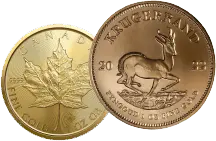
For readers who want to move in the other direction and buy rather than sell, the same nationwide shipping and competitive online pricing apply to bullion. Popular choices include the [American Gold Eagle], the [Gold Maple Leaf] in multiple weights, and silver rounds such as the [Walking Liberty silver round] or the [Engelhard Prospector round]. Larger buyers often look at a [1 oz gold bar] from a major mint or a [10 oz Engelhard gold bar] for lower premiums per ounce. Accurate Precious Metals also runs Gold and Silver IRA services for retirement investors who want physical metal held in a tax-advantaged account.
Compared to a pawn shop or a one-time traveling buyer event, a specialized dealer with over a decade of operating history and a large body of customer reviews gives Tidewater sellers something harder to find locally: consistency. You can call, ship, or walk in, and the pricing approach and evaluation process stay the same every time. Reach the team directly at (503) 400-5608 or start with selling your items to us to see what your metals are worth today.
Frequently Asked Questions
How much do Tidewater Oregon gold buyers pay for scrap gold?
It depends on purity, weight, and the current spot price, and scrap generally sells below spot to cover refining costs, while bullion coins and bars come closer to full spot value.
Do gold buyers pay full spot price for jewelry?
Usually not, because jewelry is rarely pure gold and buyers need margin to cover refining, testing, and resale costs, so full spot pricing is more common with liquid bullion coins and bars.
How do I know if my gold ring is 14K or 18K?
Look for a karat stamp such as 14K, 18K, 585, or 750 inside the band, then confirm the purity through acid, electronic, or XRF testing at a buyer's shop.
What is my 18 karat gold worth right now?
At $4,124 an ounce gold spot at the time of writing, one troy ounce of 18 karat gold, which is 75 percent pure, has a melt value of about $3,093 before any dealer margin.
Are gold nuggets from Oregon creeks worth more than melt value?
Often yes, since attractive or crystalline natural gold can sell for 2 to 3 times spot or more, while plain smooth placer gold tends to sell closer to spot value at retail.
Should I sell to a pawn shop or a specialized precious metals dealer?
Get quotes from both, but a dealer that buys and sells metals as its main business typically offers more consistent pricing and clearer testing than a pawn shop built around short-term loans.
What is sterling silver worth at today's spot price?
At $60 an ounce silver spot at the time of writing, one troy ounce of sterling silver, which is 92.5 percent pure, comes to about $55.50 in melt value.
Can I sell gold or silver by mail if I live on the Oregon Coast?
Yes, mail-in programs with free insured shipping let coastal sellers avoid the drive to a metro buyer while still getting an evaluation and payment offer based on current spot prices.
Make the smart choice — invest with Accurate Precious Metals
Whether you are buying bullion for the first time or adding to a long-term position, our team offers expert guidance, transparent pricing, and a reliable buyback program.