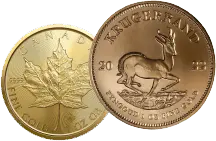
Like our coverage? Add Accurate Precious Metals as a preferred source on Google.
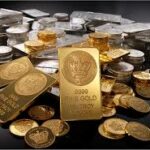 Some commodities have been regarded as having a high value, such as coins and currencies. Lots of people save these treasured items and store them over time. Generally, gold coins are regarded as precious because a vast majority consist of very exceptional and durable materials. For this reason, many bullion coin shops have been established in different corners of the world. Salem, Oregon, has a gold and silver coin store always ready to serve clients.
Accurate Precious Metals Coins, Jewelry, & Diamonds is a trusted local coin store in Salem, Oregon. Our experienced involvement in the gold coin and silver bullion industry has allowed us to develop solid and harmonious relationships among various mints nationwide. Every gold & silver coin and bar sold worldwide originates from a specific mint that creates a template design and stamps each one. Since Accurate Precious Metals Coins, Jewelry, & Diamonds is a gold refinery, we can offer our valued clients low premiums and great discounts.
Know More about the Company
When our local coin shop purchases gold and silver from our clients, we send the metals directly to mints. This way, the mints can buy raw gold and raw silver from us at an affordable price rather than from the market at a higher price. For our local coin shop to get massive discounts on gold bullion and silver bullion products, we send the mint raw gold and silver metals. Sincprovideiding essential precious metals to the mint, our coin store receives the finished coin and bullion products at significant discounts.
If you are looking for the best source for your precious metals needs, our local coin shop is the perfect place. We are offering gold coins for sale and silver bullion coins for sale at the most reasonable prices. Many investors visit our coin store in Salem, Oregon to do business with us because we have unbeatable prices personally. We always ensure that our gold and silver coins are offered at a price that is not too heavy for your pocket. Our prices are nationally competitive! When it comes to buying gold bullion coins and silver bullion coins, expect that our shop can always offer you the prices you deserve. Once you buy gold coins for sale or silver coins for sale, you will surely realize that our coin shop is worth visiting.
Everyone knows that gaining the trust of your clients is not easy. That being said, our local coin shop has built trust with each of our clients. Our advanced state-of-the-art equipment allows us to test and verify everything that comes in and goes out so that our clients feel 100% confident in every transaction. Our clients know for sure that what they are buying is purely gold bullion and silver bullion.
We use industry-leading technology and equipment at our coin store in Salem, Oregon, to ensure that we are progressively efficient and effective for our clients. The knowledge we gain from our specialized tools puts us at a significant advantage in verifying all items containing metals. Accurate Precious Metals Coins, Jewelry, & Diamonds in Salem, Oregon can guarantee that our gold and silver coins and bullion are precise and accurate.
Next time you’re looking for a trusted coin store in Salem Oregon keep us in mind! Call us at (503) 400-5608 or visit us at 1855 Hawthorne Ave NE in Salem.
Make the smart choice: invest with Accurate Precious Metals
Whether you are buying bullion for the first time or adding to a long-term position, our team offers expert guidance, transparent pricing, and a reliable buyback program.
Ready to invest wisely?