This content is for educational purposes only and is not financial or investment advice. Precious metals prices fluctuate; past performance does not guarantee future results. Consult a qualified professional before making investment decisions.
If you have gold jewelry, old coins, or a drawer of silverware you want to turn into cash but don't live near a dealer, a mail-in gold program guide is exactly what you need before you box anything up. Mail-in selling lets you ship items to a precious metals buyer, get them evaluated for weight and purity, and receive an offer without ever walking into a store. Done right, it is secure, convenient, and often faster than driving around town collecting quotes.
This guide walks through how mail-in gold programs actually work, what makes them safe, how pricing is calculated, and what to watch for before you seal that shipping box.
What Is a Mail-In Gold Program?
A mail-in gold program is a remote selling service that lets you send gold, silver, platinum, or palladium items to a buyer by insured mail instead of visiting a shop in person. You request a kit or shipping instructions, pack your items, ship them with tracking, and wait for a valuation based on metal type, purity, and weight.
Most programs handle more than just gold. Many buyers also accept silver, platinum, palladium, dental gold, jewelry, coins, and bullion bars in the same process. That makes a single mail-in gold program guide useful whether you're clearing out an estate or just selling a broken chain.
How Does a Mail-In Gold Program Work?
The process follows a predictable sequence from request to payment, and understanding each step is the fastest way to avoid surprises.
How a Mail-In Gold Sale Works
1
Request a kit Fill out an online form or call the buyer to confirm you want to sell and get shipping instructions.
2
Photograph and inventory Take clear photos of each item and write down weights, karats, and hallmarks before packing.
3
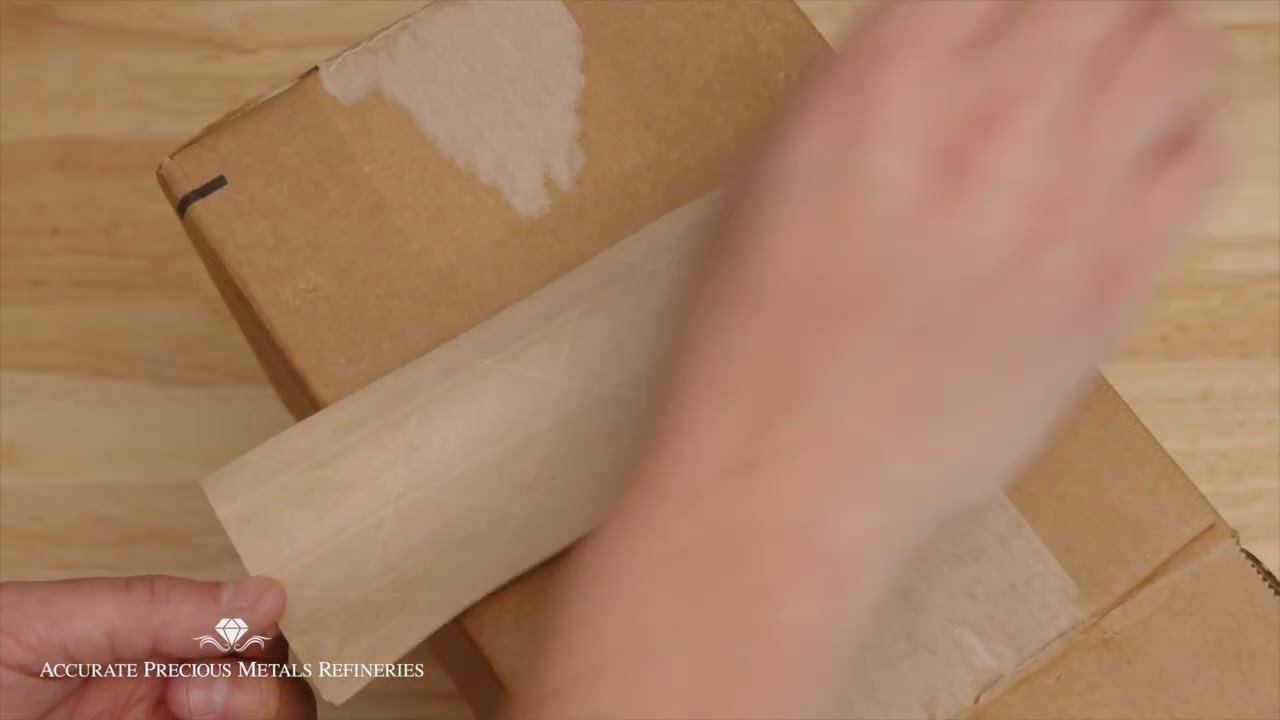
Pack securely Use padded, tamper-evident packaging so items can't shift or be swapped in transit.
4
Ship insured and tracked Send the package with a tracking number and insurance covering the item's estimated value.
5
Wait for evaluation The buyer tests items for purity and weighs them, then calculates an offer.
6
Accept or decline Take the payment if you agree, or request your items back if the offer doesn't work for you.
This is the same basic workflow described in most mail-in program pages, including our own step-by-step mail-in selling guide. The details vary by buyer, but the order rarely changes.
Is Mailing Gold Safe?
Mailing gold can be reasonably safe when the shipment is tracked, insured, and packed in tamper-evident materials, but shipping always carries some risk compared to handing items over in person. The safety of the process depends almost entirely on how the buyer handles logistics and how carefully you document your items beforehand.
A secure mail-in setup should include:
Tracking on every shipment, both outbound and return
Insurance that covers full replacement value, not just a flat minimum
Tamper-evident packaging that shows if a box was opened in transit
A written inventory of items confirmed before you ship
Clear offer terms explaining how the price was reached
A return option if you decide not to accept the offer
Photograph everything before it leaves your hands and keep your shipping receipt along with your inventory list. If a dispute ever comes up, that documentation is your best protection. Our guide to secure mail-in gold shipments covers packing and insurance in more detail if you want a deeper walkthrough.
How Is Gold Priced in a Mail-In Program?
Buyers generally price gold using a simple formula: spot price multiplied by purity, multiplied by net weight, then adjusted for processing costs and margin. Think of it in two questions: how much pure metal is actually in this item, and what can the buyer pay after covering testing, refining, and shipping.
Spot prices change every trading day, so any melt estimate is only accurate at the moment you check it. At the time of writing, gold is trading around $4,058 an ounce, silver is near $59 an ounce, platinum is about $1,584 an ounce, and palladium sits close to $1,246 an ounce. A one troy ounce gold item contains 31.1035 grams of gold, so its melt value moves in lockstep with the spot price and its purity.
Jewelry is usually priced by gram weight and karat rather than by the ounce, then converted into a metal-content estimate. Bullion coins and bars, on the other hand, are typically priced closer to spot plus a modest premium since there's little refining work involved. That difference in pricing logic is one of the most useful things to understand from any mail-in gold program guide before you ship a mixed lot.
What Items Can You Mail In to Sell?
Most mail-in programs accept a wide range of gold, silver, platinum, and palladium items, from everyday jewelry to investment-grade bullion. The exact list depends on the buyer, but the categories below are standard across the industry.
Gold jewelry, including rings, chains, and broken pieces
Gold coins, both bullion issues and older circulated coins
Gold bars and rounds
Dental gold and gold crowns
Sterling silverware and silver flatware
Silver coins and silver bullion
Platinum and palladium jewelry or bullion
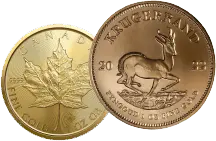
If your lot includes something like a text:American Gold Eagle:or a text:1 oz gold bar: alongside scrap jewelry, it helps to separate them clearly. Bullion and scrap jewelry are priced under different logic, and keeping them apart lets the buyer value each correctly instead of averaging everything together.
What Do Karat Marks Mean for Gold Value?
Karat marks tell you what percentage of an item's weight is actual gold, and that percentage is the starting point for any valuation. A 14k chain, for example, weighs more on a kitchen scale than its pure gold content because more than 40% of that weight is other metals.
Karat
Gold Purity
What It Means
10k
41.7%
Common in durable, everyday jewelry
14k
58.5%
Most common karat for U.S. jewelry
18k
75.0%
Higher gold content, softer metal
22k
91.7%
Common outside the U.S., very soft
24k
99.9%+
Pure gold, typical of bullion coins and bars
Bullion coins like the text:American Gold Eagle: are 1 troy ounce coins with small amounts of alloy added for durability, and they usually sell above pure melt because of bullion and sometimes numismatic premiums. A 1 oz bullion bar tends to trade much closer to spot with only a small premium attached. Scrap jewelry, by contrast, is typically bought below melt value because refining, testing, and handling costs have to come out of the offer somewhere.
Mail-In vs. In-Person Selling: Which Should You Choose?
Mail-in selling wins on convenience and reach, while in-person selling wins on speed and direct negotiation. Neither option is universally better - it depends on where you live and what you're selling.
Mail-In vs. In-Person Selling
Pros
✓ Works from anywhere in the country, no travel required
✓ Good for bulky lots, estates, or inherited jewelry collections
✓ Lets you compare offers from multiple buyers without driving between shops
Cons
✗ Takes longer than a same-day in-person sale
✗ You can't negotiate weight or karat readings face-to-face
✗ Requires trust in the buyer's packaging and insurance process
For sellers in rural areas or those liquidating a large estate, mail-in is often the only practical option. For someone who wants an answer in ten minutes, walking into a shop still has the edge. Our guide to maximizing mail-in payouts covers how to close that gap by preparing your lot well before you ship.
Common Misconceptions About Mail-In Gold Programs
Most of the hesitation around mail-in selling comes from a handful of myths that don't hold up once you look at how the process actually runs.
"Mail-in means unsafe" isn't accurate on its own. Programs that use tracking, insurance, and tamper-evident packaging carry manageable risk, even though any shipment involves some exposure. "The offer should equal retail" is also false - scrap and bullion buyers pay for metal content, not the markup you'd see on a jewelry store price tag. And "every gold coin is worth melt" misses an important distinction: common bullion coins may carry modest premiums, while rare dates or high-grade examples can be worth well beyond their metal content. If you're curious how scarcity affects coin values beyond melt, our piece on rare coin investing and collector demand breaks that down further.
How to Prepare Items Before Mailing Gold or Silver
Good preparation is the single biggest factor in getting a fair, fast offer from any mail-in buyer. A little organization before you ship saves time and avoids confusion once your package arrives.
Separate bullion coins and bars from scrap jewelry so each gets priced correctly
Note the karat stamp on each jewelry piece: 10k, 14k, 18k, 22k, or 24k
Weigh items yourself with a scale that reads grams or troy ounces
Remove loose stones you want to keep, since scrap offers often don't pay for small gems
Confirm the shipping label is prepaid and insurance covers full replacement value
Get at least two quotes if your lot mixes coins, jewelry, and bullion
Wait for the buyer's shipping instructions before sealing the box
First-time sellers in particular benefit from a slower, more careful approach. Our tips for first-time jewelry sellers mailing items walks through packaging choices that protect delicate pieces during transit.
Why Sell Through Accurate Precious Metals?
Accurate Precious Metals has been buying and selling precious metals since 2012, and our Salem, Oregon location backs up a nationwide mail-in program with real people and a physical storefront. We are not a pawn shop - we are a specialized precious metals dealer with over 1,000 five-star customer reviews, and that focus shows in how we handle every mail-in submission.
If you live near Salem, you're welcome to bring items in person and get an offer on the spot. If you're anywhere else in the country, our mail-in gold and silver program gives you the same access with free insured shipping. We buy bullion, scrap gold and silver, jewelry in any condition, dental scrap, silverware, coins, and luxury watches, and every item is evaluated for metal content using XRF testing before we make an offer.
As an NGC authorized dealer, we also offer grading services for coins that may carry collector value beyond their metal content. Whether you're mailing in a gold coin lot or working with a dedicated mail-in gold buyer program, our team assesses purity and weight and gives you a competitive offer based on current spot prices, with no pressure to accept if the number doesn't work for you.
Get Started With a Mail-In Gold Sale Today
Selling gold, silver, platinum, or palladium by mail doesn't have to be complicated once you know the steps and what a secure program actually looks like. Photograph your items, separate bullion from scrap, confirm insurance coverage, and ship with tracking - the same fundamentals covered throughout this mail-in gold program guide.
When you're ready, reach out to Accurate Precious Metals at (503) 400-5608 or start your request through our mail-in program page. Local sellers can also visit our Salem, Oregon location for an in-person evaluation the same day.
Frequently Asked Questions
How do mail-in gold programs work?
You request a kit or shipping instructions, pack and ship your items with tracking and insurance, and the buyer tests purity and weight before sending an offer for you to accept or decline.
Is it safe to mail gold to a buyer?
It can be reasonably safe when the shipment is tracked, insured, and packed in tamper-evident materials, though mailing always carries more risk than an in-person sale.
How much do mail-in gold buyers typically pay?
Payouts are usually below retail replacement value and often below full melt for scrap jewelry, since the offer depends on purity, weight, current spot price, and the buyer's processing costs.
What karats of gold do mail-in buyers accept?
Most buyers accept 10k, 14k, 18k, 22k, and 24k gold, along with dental gold, coins, bars, and mixed precious metal lots.
Do mail-in gold programs also buy silver and platinum?
Many do, including sterling silverware, silver coins, silver jewelry, and platinum or palladium items in the same shipment.
Should I remove stones from jewelry before mailing it for sale?
Usually yes if you want to keep them, since scrap offers often pay little or nothing extra for small stones unless they're evaluated separately.
Can I get my items back if I don't like the offer?
Many mail-in programs will return your items if you decline the offer, but you should confirm the return policy before you ship anything.
What's the difference between selling bullion coins and jewelry by mail?
Bullion coins can carry premiums above melt value tied to demand and mintage, while jewelry is usually priced mainly on its metal content unless it has designer or rare-signed value.
Make the smart choice — invest with Accurate Precious Metals
Whether you are buying bullion for the first time or adding to a long-term position, our team offers expert guidance, transparent pricing, and a reliable buyback program.