
Like our coverage? Add Accurate Precious Metals as a preferred source on Google.
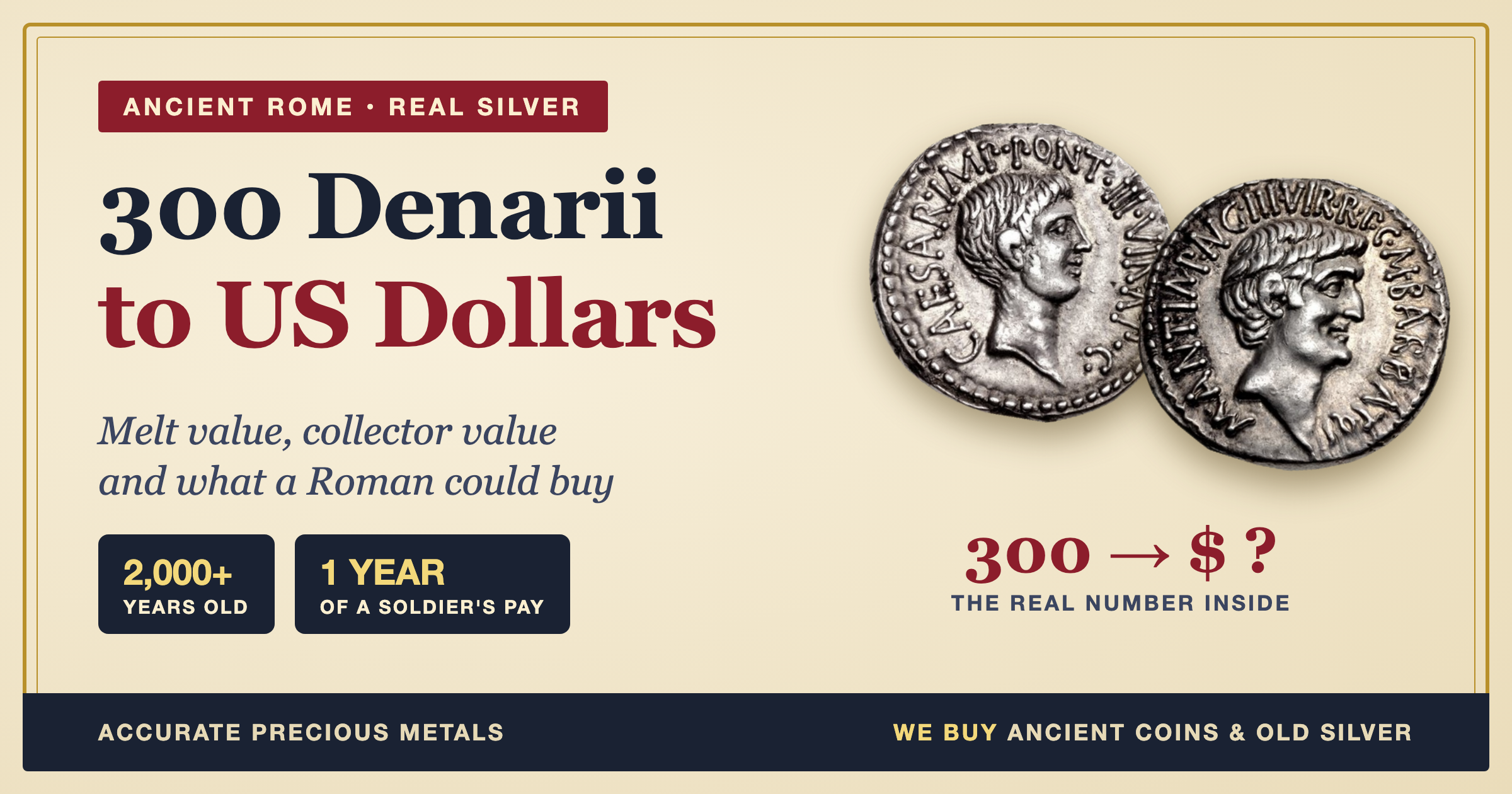
TLDR: 300 denarii was worth 300 days of labor in the Roman Empire, so it is approximately equal to a year's wage in modern times. In terms of pure silver content today, 300 denarii would be worth anything from $1,500 to $2,000, but collectors would likely pay between $4,500 and $30,000 for that many denarii.
Are you curious about how the ancient Roman currency, denarius, translates into modern-day US dollars? This article explores the conversion of 300 denarii to US dollars, shedding light on historical contexts, current exchange rates, and the implications of currency conversion. Whether you’re a history buff or a cryptocurrency enthusiast, this article will provide valuable insights into the value of 300 denarii and its relevance today.
If you are interested in learning more about ancient coins, or checking out the selection in our shop, click here!
What is a Denarius?
If you have ever wondered about the difference between a denarius and denarii, denarii is simply the plural version of denarius!
The denarius was a silver coin introduced around 211 BC in ancient Rome. As one of the most important coins in Roman currency, it represented the backbone of trade and economic transactions during the Roman Empire. In terms of weight, the denarius typically contained about 3.9 grams of silver, making it a valuable medium of exchange. Today, collectors and historians often seek denarii for their historical significance.
How Much is 300 Denarii Worth Today?
The value of 300 denarii can vary widely based on its condition and market demand. As a rough estimate, collectors often value a single denarius between $15 to $100, depending on its rarity and historical significance. When multiplied by 300, this gives a rough estimate of $4,500 to $30,000 for 300 denarii.
However, collectors should be aware that the market fluctuates. The price in denarius can also be affected by the cost of silver, which plays a significant role in determining the value of ancient coins. Therefore, always consider consulting a professional dealer, such as Accurate Precious Metals, for a more precise valuation.
Can I Buy Ancient Roman Currency Like Denarii?
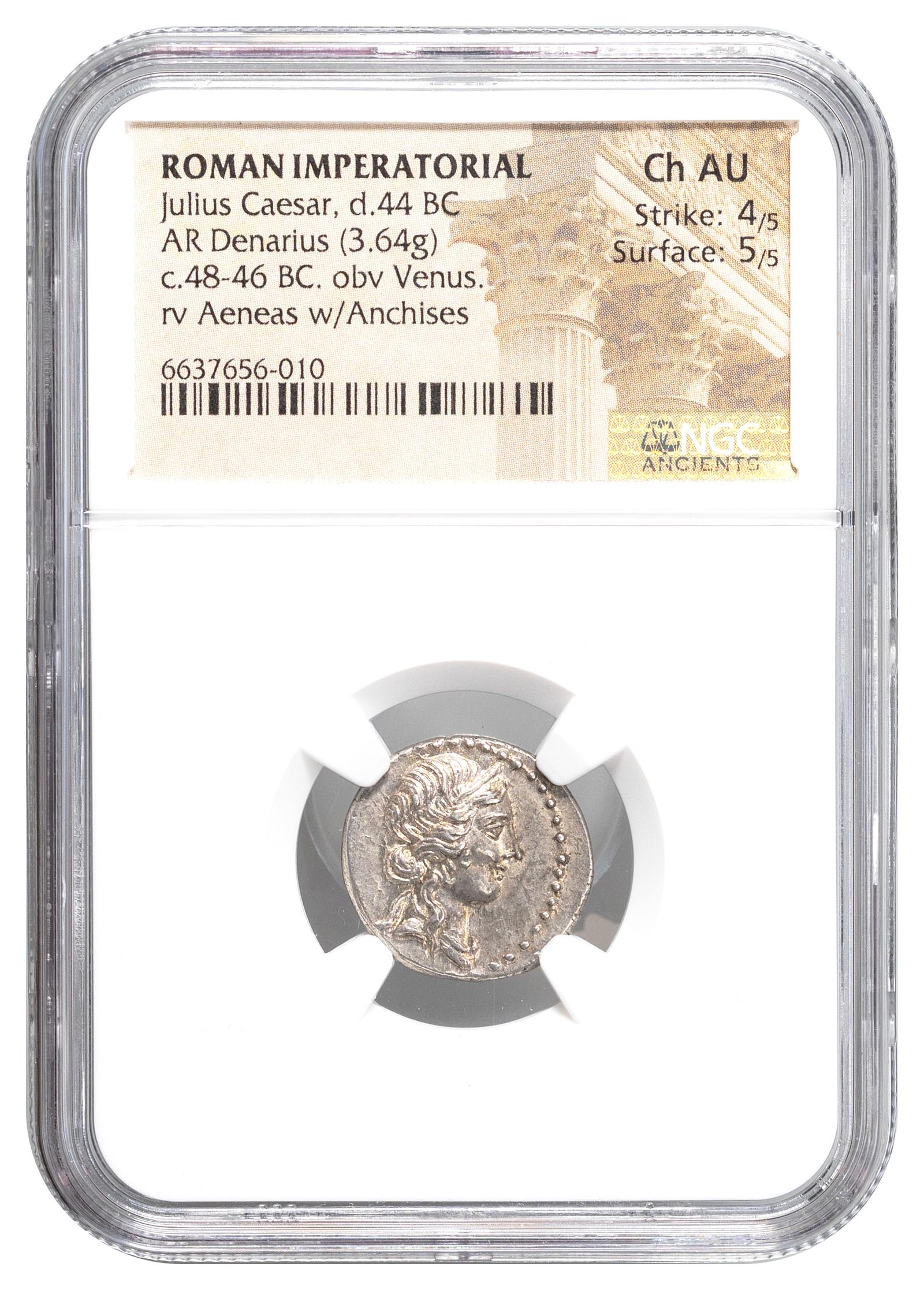
Yes! So many coins were made in Rome that we still have lots floating around today. Just a few weeks ago, our shop saw some ancient Roman coins like this one below come through, although they sold very fast.
How to Convert Denarius to US Dollar?
Converting Denarius to modern day US dollars is tricky. However, one Denarius was typically used as wages for one day of labor. If we assume somebody today is making $20 an and working for 8 hours, then a day of labor today would pay $200.
But wages were not the same back then as they are today, so this $200 estimate is likely not very accurate. Perhaps a better comparison to use is with bread. Historians say that one denarius could purchase about 5 loaves of bread. If we assume that a loaf of bread today costs $2, then 300 denarii would be about $3,000.
These are very rough estimates - translating a currency from 2,000 years ago perfectly is not really possible.
What Are the Risks of Investing in Ancient Currency?
Investing in ancient currency, such as denarius, carries certain risks. The market can be volatile, and values may fluctuate based on trends among collectors. Additionally, the authenticity of coins can be challenging to ascertain, making it essential to buy from reputable dealers like Accurate Precious Metals.
Furthermore, the lack of liquidity in the market for ancient coins means that selling your investment may take time and effort. Investors should conduct thorough research and consider market trends before purchasing denarius coins to mitigate potential risks.
What are Denarii Made of?
Early Denarii produced before the 1st century often consisted of a very high silver content of 98%. Later on, Emperor Nero tweaked the formula following the Great Fire of Rome because more money was neeeded to rebuild from the damage. The silver content dropped to the low 90s, and the weight of the coin also dropped from nearly 4 grams to just over 3 grams. Over time, the silver content would continue to drop until it was only about 50%.
If a denarius weighed 4 grams and contained 98% silver like the early denarii were, that would cost around $7 with the silver spot price today in pure silver content alone.
The other metals used in a typical denarius were copper, tin, and even a little bit of gold.
Sources
1. “History of the Denarius.” Ancient History Encyclopedia.
2. “Current Silver Prices.” Kitco Metals.
3. “Understanding Currency Exchange Rates.” Investopedia.
Image credit: By Byzantium565 - Own work, CC BY-SA 4.0, https://commons.wikimedia.org/w/index.php?curid=112623925
Make the smart choice: invest with Accurate Precious Metals
Whether you are buying bullion for the first time or adding to a long-term position, our team offers expert guidance, transparent pricing, and a reliable buyback program.
Ready to invest wisely?