This content is for educational purposes only and is not financial or investment advice. Precious metals prices fluctuate; past performance does not guarantee future results. Consult a qualified professional before making investment decisions.
Understanding how platinum offers by condition vary is one of the most practical things a seller can know before approaching any buyer. The short answer: condition is everything for collectible platinum and means almost nothing for scrap or melt-grade material. Knowing which category your piece falls into can be the difference between receiving a premium above spot and walking away with only the base metal value.
Platinum sits at $1,611 per ounce at the time of writing – a price that reflects both its industrial importance and its genuine scarcity. But that spot price is just the starting point. Whether your item commands more or less than that figure depends heavily on what form it takes and, for collectibles, how well it has been preserved.
The Two Categories That Drive Every Platinum Offer
Every platinum buyer – whether a dealer, refiner, or private collector – mentally sorts incoming material into two buckets the moment they look at it: collectible or melt-grade.
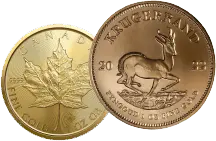
Collectible platinum includes minted coins, limited-edition bars with artistic designs, and numismatic items where the craftsmanship and condition carry independent value. Think of a Canadian Platinum Maple Leaf coin or a decorative commemorative bar. These items have a numismatic premium on top of their metal content, and that premium is entirely conditional on physical appearance.
Melt-grade platinum covers everything else: jewelry, industrial scrap, raw wire, catalyst material, and standard investment bars. For these items, the buyer’s only real questions are “How heavy is it?” and “How pure is it?” A scratched platinum wedding band and a pristine one are worth the same at a refinery.
This distinction shapes every offer. Miss it, and you may undersell a collectible or waste energy worrying about surface marks on a scrap piece that a buyer will simply melt down anyway.
How Condition Lowers Platinum Offers on Collectible Items
For collectible coins and decorative bars, physical condition is the primary value driver after the spot price itself. Coins are graded on a 1-70 numerical scale, with MS-70 representing a flawless, untouched surface. A coin at that grade can fetch two to five times the melt value. Drop to a heavily circulated or damaged example, and the offer may fall all the way back to melt – the numismatic premium disappears entirely.
The specific damage types that reduce offers on collectible platinum:
Scratches – Even fine hairline scratches are visible under a loupe and lower the grade. Deep scratches can drop a coin multiple grade points, cutting the premium significantly.
Dents and dings – Any deformation of the coin’s field or relief breaks the visual integrity buyers and graders expect.
Tarnish and surface discoloration – Pure platinum resists corrosion well, but platinum alloys used in some jewelry and older bars can discolor. On a collectible, any tarnish is a defect.
Contact marks – Bag marks from coins rubbing against each other in storage are common and reduce grade even when the coin was never circulated.
Cleaning evidence – Perhaps the most damaging of all. A cleaned coin shows unnatural luster and micro-abrasions under magnification. Experienced buyers spot it immediately, and it can permanently remove a coin from premium territory.
⚠️ Warning: Do not clean a tarnished or scratched collectible platinum coin. Improper cleaning strips the original surface and introduces micro-scratches that are impossible to reverse. A coin that looks “brighter” after cleaning is almost always worth less, not more.
When Condition Does Not Affect Platinum Offers at All
For scrap and melt-grade platinum, physical appearance is irrelevant. A buyer processing industrial scrap or jewelry for refining will assess two things: weight on a calibrated scale and purity via XRF analysis or acid testing. A scratched 1-ounce bar of 99.95% pure platinum returns the same metal content as a flawless one. The offer reflects that content, not the surface.
This is worth stating plainly because many sellers assume that any visible wear or damage reduces what they will receive. For melt-grade material, that assumption is wrong. A bent platinum ring, a cracked industrial component, or a bar with surface abrasions will all be evaluated purely on their metal content.
The platinum scrap buying process works this way by design. Refiners and dealers buying for melt are not paying for aesthetics – they are paying for recoverable metal. Condition only becomes relevant again if damage raises questions about the item’s actual composition. A deeply gouged bar, for instance, might prompt a buyer to run additional purity tests to confirm the metal is consistent throughout, but a surface scratch raises no such concern.
Investment Bars: A Middle Ground
Standard investment bars occupy an interesting position between the two categories. A 1-ounce or 10-ounce platinum bar from a recognized refinery – like an Argor-Heraeus platinum bar – is primarily a melt-value product. Minor surface scratches do not reduce the offer because the buyer values the metal, not the finish.
However, severe physical damage on an investment bar can raise a red flag. A deep gouge that penetrates the surface may prompt a buyer to verify that the bar’s core matches its stamped purity. This is not about aesthetics – it is about confirming that the bar has not been tampered with. In practice, normal handling marks and light scratches on investment bars are ignored entirely. Only damage that suggests possible adulteration warrants extra scrutiny.
Platinum Type
Examples
Does Condition Affect Offer?
Primary Value Driver
Collectible / Numismatic
Minted coins, decorative bars, limited editions
Yes – significantly
Grade, mint state, rarity
Investment Bars
Standard 1oz, 10oz, 1kg bars
Rarely – only if damage is extreme
Purity and weight
Melt / Scrap
Jewelry, industrial scrap, raw wire
No
Purity and weight only
Calculating Your Melt Value Baseline
Before you approach any buyer, knowing your melt value gives you a reference point. The formula is simple:
Melt Value = Weight (oz) x Spot Price x Purity
At the time of writing, platinum spot is $1,611 per ounce. A 1-ounce bar of 99.95% pure platinum has a melt value of approximately $1,609. A piece of platinum jewelry marked 950 (95% pure) weighing half an ounce would have a melt value of roughly $765.
If your item is a collectible in excellent condition, any reasonable offer should land above that melt value – sometimes well above. If it is damaged or scrap, the offer will be close to melt. Understanding this baseline stops you from being surprised by either direction.
For a deeper look at how purity stamps affect your calculation, the guide on platinum purity basics for sellers walks through how to read common hallmarks like 950, 900, and 850.
Platinum Offers by Condition: A Practical Seller’s Checklist
Before You Sell – What to Do
1
Step 1 Identify your item type. Is it a minted coin with a design, date, and mint mark? Or is it jewelry, scrap, or a plain investment bar? This single question determines whether condition matters.
2
Step 2 Weigh it accurately. Use a calibrated scale that reads in troy ounces or grams. Buyers will weigh it themselves, so knowing the number in advance prevents surprises.
3
Step 3 Check for purity markings. Look for stamps like 950Pt, 900Pt, or .9995 on bars. If no stamp is visible, a buyer will test the metal before making an offer.
4
Step 4 For collectibles only – inspect the surface carefully. Use a magnifier to look for scratches, contact marks, or cleaning evidence. If the coin appears pristine, consider professional grading before selling.
5
Step 5 Do not clean anything. For collectibles, cleaning destroys value. For scrap, it makes no difference. There is no scenario where cleaning your platinum before selling improves your offer.
6
Step 6 Get multiple quotes. Offers vary between buyers based on their current inventory needs, overhead, and margin requirements. Comparing two or three quotes takes little time and can meaningfully improve your net return.
Common Misconceptions About Platinum Condition and Pricing
“All platinum is valued by its condition.” Only collectible platinum is. Raw scrap, jewelry, and standard bars are valued by purity and weight. A scratched platinum ring and a polished one of the same weight and purity receive the same melt-based offer.
“Platinum is always worth more than gold.” Not currently. At the time of writing, gold sits at approximately $4,107 per ounce while platinum is at $1,611 per ounce. Platinum’s price is closely tied to industrial demand – particularly from the automotive sector, which uses it in catalytic converters. When industrial demand softens, platinum prices can lag well behind gold. For a direct comparison of how these two metals behave at the point of sale, the article on platinum vs. gold selling strategies covers the key differences.
“Cleaning a tarnished coin will increase its offer.” This is one of the most persistent and costly myths in precious metals. Numismatic buyers and grading services can identify cleaned coins immediately. The cleaning process removes original surface luster and leaves micro-abrasions that permanently lower a coin’s grade. A lightly tarnished original-surface coin is worth more than a bright, cleaned one.
“Platinum offers are fixed.” Offers move with the spot price, which changes every trading day. A buyer quoting you today may quote differently next week if spot shifts. The dealer’s own margin and current inventory also influence offers. This is why timing and comparison shopping both matter.
“Any damage to a bar reduces its offer.” Light surface marks on investment bars are standard and do not affect offers from professional buyers. Only damage that raises questions about the bar’s integrity – deep gouges, signs of drilling, or evidence of tampering – would prompt additional testing before an offer is made.
Why Platinum’s Industrial Role Makes Condition Context Even More Important
Platinum’s price history is inseparable from its industrial applications. Roughly 40% of annual platinum demand comes from the automotive sector alone, where the metal is used in catalytic converters to reduce vehicle emissions. This industrial dependence makes platinum’s price more volatile than gold’s and creates periods where melt-value offers fluctuate sharply even when nothing about your specific piece has changed.
This context matters for sellers because it reinforces why melt-grade buyers focus exclusively on purity and weight. The end destination for scrap platinum is a refinery that will recover the pure metal and sell it into industrial channels. The condition of the item you hand over has zero bearing on what that refinery produces. Buyers in this chain price accordingly.
For collectible platinum coins, the story is different. Their value is partly insulated from industrial price swings because numismatic demand is driven by collectors, not manufacturers. A rare, high-grade platinum coin can hold its premium even during periods of weak industrial demand – though its melt-value floor still moves with spot.
Protecting Collectible Platinum Before You Sell
If you hold collectible platinum coins or decorative bars and are not ready to sell immediately, proper storage protects the condition – and the premium – you have built up.
Handle coins only by their edges. Skin oils leave residue that can cause long-term surface changes.
Use cotton gloves when handling higher-value pieces. This is standard practice among serious collectors.
Store coins in hard plastic capsules or slabs from a recognized grading service. Soft flips can scratch surfaces over time.
Keep storage areas dry and away from temperature extremes. Humidity accelerates any corrosion risk, particularly for platinum alloys used in older jewelry.
If a coin is already in a grading service slab, do not crack it out before selling. The slab itself carries value and provides independent verification of the grade.
For platinum jewelry and scrap, storage conditions are far less critical. A scratched platinum ring stored in a drawer for ten years is worth the same as one stored in a velvet box – because the buyer is melting it either way.
Sell Your Platinum With Accurate Precious Metals
Accurate Precious Metals has been buying platinum – in every form – since 2012 from our base in Salem, Oregon. Whether you hold a pristine minted coin, a collection of platinum jewelry, or industrial scrap, our team evaluates each piece based on what actually drives its value: condition for collectibles, purity and weight for everything else.
We are not a pawn shop. We are a specialized precious metals dealer with over 1,000 five-star reviews and the expertise to distinguish a numismatic premium from a melt-value piece. That distinction matters when you are trying to get a fair return.
If you are ready to sell your platinum, you have two straightforward options. Local sellers in the Salem, Oregon area are welcome to bring their items in person for a same-day evaluation. If you are anywhere else in the United States, our mail-in service provides insured shipping, professional assessment, and fast payment – no travel required.
Our offers are competitive and based on current spot prices, updated in real time. We buy everything: coins, bars, jewelry, scrap, and industrial platinum. Condition is evaluated properly for each type, so you are never penalized for surface marks on a piece that a buyer should be pricing on weight and purity alone.
Reach us at (503) 400-5608 or visit AccuratePMR.com to start the process.
Frequently Asked Questions
Does a scratched platinum coin still have value?
Yes – a scratched platinum coin retains its full melt value. What it loses is the numismatic premium. A pristine example of the same coin might sell for two to five times the melt value, while a scratched one may receive only the base metal price. At the time of writing, with platinum at $1,611 per ounce, that difference can be substantial on a 1-ounce coin.
Will a buyer pay less for platinum jewelry because it is scratched?
No. Platinum jewelry is purchased for its metal content – weight and purity. Scratches, dents, and surface wear do not reduce a melt-based offer. A scratched platinum ring and a polished one of identical weight and purity will receive the same offer from a buyer purchasing for melt.
How do I know if my platinum item is collectible or melt-grade?
If it has a design, date, mint mark, or is a recognized minted coin from a national or private mint, it is likely collectible. Plain bars with only a weight and purity stamp, jewelry, and industrial scrap are melt-grade. When in doubt, a professional buyer can assess it quickly.
Should I clean my platinum before selling it?
No. For collectible items, cleaning almost always reduces value by damaging the original surface. For melt-grade platinum, cleaning makes no difference at all. In neither case does cleaning improve your offer.
How is platinum purity tested if there is no stamp?
Buyers use XRF analysis to assess metal content without damaging the piece. This method measures the elemental composition and confirms purity accurately. Acid testing is another method used for some items.
Does the spot price affect what I receive for platinum scrap?
Yes. All platinum offers – whether for collectibles or scrap – are anchored to the current spot price. At the time of writing, platinum spot is $1,611 per ounce. As spot moves, so does the baseline for any offer you receive.
Can I sell platinum by mail if I am not near Salem, Oregon?
Yes. Accurate Precious Metals offers a mail-in service for sellers anywhere in the United States. The service includes insured shipping and professional evaluation. Visit AccuratePMR.com or call (503) 400-5608 for details.
Make the smart choice — invest with Accurate Precious Metals
Whether you are buying bullion for the first time or adding to a long-term position, our team offers expert guidance, transparent pricing, and a reliable buyback program.