This content is for educational purposes only and is not financial or investment advice. Precious metals prices fluctuate; past performance does not guarantee future results. Consult a qualified professional before making investment decisions.
Tap the image to enlarge and zoom.Hover to magnify, or click to open full screen.
Selling diamonds and gold is one of those decisions that seems simple until you’re sitting across from a buyer and realize you have no idea if the offer is fair. Whether you’ve inherited a jewelry collection, upgraded an engagement ring, or want to convert some assets to cash, understanding how buyers actually price these items changes everything. This guide breaks down the pricing process for both gold and diamonds, explains what separates a good buyer from a bad one, and shows you exactly how to prepare for a sale.
How Gold Pricing Actually Works
Gold buyers aren’t guessing. Every offer starts with two numbers: the purity of the metal and its weight. From those two figures, a buyer calculates the melt value – what the gold is worth as raw metal, stripped of any design or craftsmanship.
Purity is measured in karats. Pure gold is 24 karats. An 18-karat piece is 75% gold. A 14-karat piece is 58.3% gold. A 10-karat piece is 41.7% gold. The higher the karat, the more gold content, and the higher the value.
Weight is measured in grams or troy ounces. One troy ounce equals about 31.1 grams. Buyers weigh your item, apply the karat percentage to find the pure gold content, and then multiply by the current spot price.
At the time of writing, gold spot is $4,120 per troy ounce – roughly $132 per gram. A 10-gram piece of 18-karat gold contains about 7.5 grams of pure gold, which puts the melt value around $990. That’s the ceiling. Buyers make offers below melt value to cover their operating costs and margin.
Knowing the spot price before you walk into any sale is the single most useful thing you can do. It tells you the theoretical maximum your gold is worth and helps you recognize when an offer is too low.
Understanding the 4Cs When Selling Diamonds
Diamonds are priced differently from gold. There’s no spot price for diamonds – no single live market number you can look up. Instead, buyers evaluate each stone using the 4Cs: cut, color, clarity, and carat weight.
Cut refers to how well the diamond was shaped and faceted. A well-cut diamond reflects light brilliantly. Poor cutting dulls a stone’s appearance and reduces its value, even if the other grades are strong.
Color is graded on a scale from D to Z. D is colorless – the most desirable and valuable. As you move toward Z, the stone shows increasing yellow or brown tints. Most buyers pay a meaningful premium for stones graded D through H.
Clarity measures internal and external flaws, called inclusions and blemishes. Flawless stones are rare. Most diamonds sold in retail jewelry fall in the VS1 to SI2 range. Buyers discount stones with visible inclusions because they affect both appearance and resale demand.
Carat weight is the size of the stone. Larger diamonds are exponentially rarer than smaller ones, so price per carat rises sharply as stones get bigger. A 2-carat diamond isn’t worth twice a 1-carat – it’s worth considerably more, assuming comparable quality.
What Diamond Resale Prices Look Like in Reality
Here’s the number most sellers don’t expect: diamonds typically resell for 25% to 40% of their original retail price. That’s not a lowball – it’s the market reality.
Retail jewelry pricing includes the retailer’s markup, the brand, the setting, and the cost of running a store. When you sell, buyers pay for the stone’s intrinsic value, not what you paid at a counter. A diamond ring purchased for $5,000 might realistically fetch $1,250 to $2,000 when sold.
This doesn’t mean you’re being cheated. It means retail and resale are two different markets. Understanding that gap going in prevents frustration and helps you evaluate offers clearly.
For a deeper look at how diamond resale compares to other gemstones, the diamond resale value vs gems guide on our blog breaks down the numbers by stone type.
ℹ️ Info: Diamonds with GIA grading certificates sell faster and for more money. Buyers can verify the stone’s grades independently, which reduces their risk – and that confidence translates to a better offer for you.
Gold Jewelry vs. Gold Bullion: Different Selling Paths
Not all gold is priced the same way. Gold jewelry and gold bullion coins or bars follow different pricing logic, and knowing the difference helps you set realistic expectations.
Gold jewelry is priced on melt value. The design, brand, and craftsmanship add nothing to what a buyer pays for the metal. A heavy 14-karat bracelet and a plain 14-karat bar of the same weight are worth the same amount as scrap. Buyers assess the karat, weigh the piece, and price accordingly.
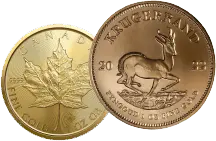
Gold bullion – coins, bars, and rounds – carries a premium over melt value because of its recognized purity and form. A 1 oz Gold Eagle or a 1 oz gold bar is priced above spot because buyers know exactly what they’re getting. When you sell bullion back, that premium partially follows the piece, especially for well-known coins and bars from major mints.
If you’re holding gold bullion and want to understand current pricing, the live spot ticker at the top of this page reflects real-time market prices.
Types of Buyers and What They Actually Offer
Not every buyer offers the same price or experience. The type of buyer you choose affects both the offer you receive and how smoothly the transaction goes.
Pawn shops buy gold and jewelry for resale. Their offers tend to be lower because they need margin on both ends – buying and selling. They’re fast and convenient, but convenience has a cost.
Local jewelers sometimes buy estate jewelry, particularly if the pieces suit their inventory. Offers vary widely. Some jewelers pay well for quality pieces; others aren’t interested in buying at all.
Online platforms connect sellers with buyers across the country. Convenience is real, but so is the risk. Vetting the buyer matters. Look for insured shipping, clear payment timelines, and a verifiable track record.
Specialized precious metals dealers focus on gold, diamonds, and related items. Their expertise means they can accurately assess what you have, which often results in fairer offers. They also tend to have cleaner processes and more transparent communication.
Getting offers from at least two or three buyers before accepting anything is worth the extra time. Even a short comparison can reveal a significant price difference.
How to Prepare Before You Sell
Preparation is the difference between a smooth transaction and a frustrating one. A few steps taken before you contact any buyer put you in a much stronger position.
Getting Ready to Sell
1
Gather your paperwork Collect any receipts, original appraisals, and grading certificates. GIA certificates for diamonds are especially valuable – they remove uncertainty for buyers and typically result in better offers.
2
Weigh your gold items A basic kitchen scale gives you a rough idea of total weight. Note the karat stamps on each piece – usually marked inside rings or on clasps. This lets you estimate melt value before any conversation starts.
3
Research current spot prices Check the live gold spot price before any meeting or submission. At the time of writing, gold is around **$4,120/oz**. Knowing this number means you can quickly assess whether an offer is in a reasonable range.
4
Get an independent appraisal For higher-value pieces, a certified appraisal from a third-party appraiser gives you an objective baseline. This is especially useful for diamonds, where quality grades significantly affect value.
5
Compare at least two offers Never accept the first offer without a comparison. A few minutes of research or an additional inquiry can make a meaningful difference in what you walk away with.
Selling Diamonds Online vs. In Person
Both options work. The right choice depends on your location, the value of what you’re selling, and how quickly you need payment.
In-person selling lets you hand over items directly, ask questions in real time, and often receive payment the same day. If you’re local to a reputable dealer, this is often the fastest path.
Mail-in services open up access to specialized buyers regardless of where you live. The key is choosing a buyer who provides insured shipping, handles items securely, and pays quickly. A good mail-in program removes the geographic limitation without adding meaningful risk.
For selling a diamond ring specifically, selling a diamond ring online walks through what the process looks like and what to expect at each step.
Common Mistakes Sellers Make
A few recurring errors cost sellers money or create unnecessary stress.
Expecting retail value. The retail price of a diamond or piece of jewelry reflects the store’s cost structure, not the stone’s resale worth. Adjusting expectations before you sell prevents disappointment.
Skipping the comparison. Accepting the first offer without checking alternatives is the most common mistake. Even one additional quote gives you useful information.
Selling without paperwork. Missing certificates or appraisals force buyers to assess value conservatively. Providing documentation almost always improves the offer.
Choosing convenience over quality. Pawn shops and quick-cash buyers are fast, but speed often comes at the cost of a fair price. A slightly longer process with a reputable buyer usually pays off.
Not knowing the spot price. Walking into a gold sale without knowing current spot prices leaves you unable to evaluate the offer. Check it before any conversation.
Why Accurate Precious Metals Is the Right Buyer
Accurate Precious Metals has been buying gold, diamonds, and jewelry since 2012. With more than 1,000 five-star reviews, the track record speaks clearly. This is not a pawn shop – it’s a specialized precious metals dealer that handles everything from scrap gold and estate jewelry to certified diamonds and bullion coins.
Offers are competitive and based on current spot prices for gold. For diamonds, the team evaluates each stone on its individual merits. The process is straightforward, and payment is fast.
Two easy ways to sell:
If you’re in Oregon, visit the Salem location in person. Bring your items, get an evaluation, and walk away with payment the same day. The address and phone number – (503) 400-5608 – are on the AccuratePMR.com website.
If you’re anywhere else in the United States, the mail-in service makes the process just as simple. Request a free insured shipping kit, send your items securely, and receive a competitive offer. Payment follows quickly once your items are evaluated.
Whether you’re selling gold jewelry you’ve held for years or looking to sell diamonds for cash, Accurate Precious Metals handles both with the expertise and professionalism the transaction deserves.
💡 Tip: Before sending anything by mail, photograph each item from multiple angles. This creates a clear record of condition and helps resolve any questions about what was shipped.
Frequently Asked Questions
What is the best way to find out what my gold jewelry is worth before selling?
Check the karat stamp on each piece, weigh the items in grams, and use the current spot price to estimate melt value. At the time of writing, gold is around $4,120 per troy ounce, or about $132 per gram. Multiply the pure gold content by the per-gram price to get a rough ceiling for what your pieces are worth.
Will I get more selling gold jewelry to a jeweler or a precious metals dealer?
It depends on the piece. A jeweler may pay more for a piece they can resell intact. For scrap or broken jewelry, a specialized precious metals dealer typically offers more competitive prices because they're pricing based on metal content rather than resale potential.
Do diamonds hold their value over time?
Diamonds generally resell for 25% to 40% of their original retail price. The retail price includes significant markup that doesn't carry into the resale market. Rare or exceptional stones – large carat weights, high color grades, excellent cut – tend to hold value better than average commercial diamonds.
Does a GIA certificate help when selling a diamond?
Yes, meaningfully. A GIA certificate independently verifies the stone's 4C grades. Buyers can confirm quality without relying solely on their own assessment, which reduces their risk and typically results in a better offer for the seller.
Can I sell gold and diamonds by mail if I'm not near a dealer?
Yes. Accurate Precious Metals offers a mail-in service with free insured shipping for customers anywhere in the United States. Items are evaluated upon arrival and payment is issued quickly. Details are at AccuratePMR.com.
What paperwork should I bring or include when selling?
For diamonds, bring or include any GIA or other grading certificates. For gold, karat stamps on the pieces are usually sufficient, but original receipts or appraisals help. The more documentation you provide, the smoother and often more favorable the evaluation.
Is it possible to negotiate the offer when selling to a buyer?
Yes. Knowing the current spot price for gold and having an independent appraisal for diamonds gives you a factual basis for negotiation. Reputable buyers expect informed sellers and will explain how they arrived at their number.
Make the smart choice — invest with Accurate Precious Metals
Whether you are buying bullion for the first time or adding to a long-term position, our team offers expert guidance, transparent pricing, and a reliable buyback program.