This content is for educational purposes only and is not financial or investment advice. Precious metals prices fluctuate; past performance does not guarantee future results. Consult a qualified professional before making investment decisions.
Knowing which platinum items worth selling will actually earn you a strong offer – and which will disappoint – can mean the difference between a great payday and a frustrating experience. Platinum is one of the rarest metals on Earth, and at $1,610 per ounce at the time of writing, even a modest piece carries real weight. But not all platinum sells the same way. A certified bullion bar and a plain broken band both contain the same metal, yet they command very different prices from very different buyers.
This guide cuts through the confusion. Whether you have a stack of platinum coins, an old engagement ring, or a drawer full of mismatched jewelry, here is exactly what to prioritize, what to skip, and how to get the best possible offer.
Why Platinum Value Varies So Much
Platinum’s worth comes from two sources: its melt value (the raw metal content) and its collector or resale premium (what a buyer pays above that for brand, condition, or gem content). For some items, those two numbers are close together. For others, the premium can be two to five times the melt value – or nearly zero.
At $1,610/oz at the time of writing, a one-ounce platinum bar has a melt value of roughly $1,610. A plain platinum wedding band weighing half an ounce has a melt value around $805. But a platinum Rolex Daytona? That same metal content might anchor a watch selling for $40,000 or more at auction, because collectors are paying for the brand and the movement, not just the metal.
Understanding this split is the foundation of every smart selling decision.
These items consistently attract strong offers because they hold value beyond their weight.
Investment-Grade Bullion Coins and Bars
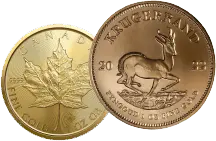
Platinum bullion coins and bars are the easiest platinum to sell. They are standardized, easy to weigh, and instantly recognizable to any precious metals dealer. The Canadian Platinum Maple Leaf and similar government-minted coins trade at close to spot because buyers know exactly what they are getting.
For selling platinum coins, expect offers in the range of 90-93% of spot from reputable dealers. At $1,610/oz, that translates to roughly $1,450-$1,500 per ounce. Online bullion dealers and specialized precious metals buyers offer the most competitive rates for these pieces. Pawn shops rarely match those numbers.
Diamond and Gem-Set Platinum Jewelry
Engagement rings, diamond studs, and platinum settings with quality stones are among the most valuable items you can bring to a buyer. The gem and the metal each carry independent worth. A well-cut diamond in a platinum solitaire setting can fetch significantly more than the combined melt value of both materials.
Condition matters here. A wearable, intact ring with a clean stone will always attract better offers than a bent or damaged one. If you have paperwork – a GIA report, an original receipt, or a prior appraisal – bring it. Documentation moves the needle.
Branded and Designer Platinum Jewelry
Signed pieces from luxury houses carry a premium that has nothing to do with metal weight. A Cartier platinum bracelet or a Tiffany platinum band sells to a different buyer than plain scrap does. Luxury resellers and auction houses actively seek these pieces, and they pay above melt to get them.
Before selling any signed platinum piece, research the brand and model. The hallmark or signature on the clasp or inner band is your first clue. If you see a designer name, do not sell it as scrap.
Branded Platinum Watches
A platinum Rolex, Patek Philippe, or Audemars Piguet is not a precious metals transaction – it is a luxury goods transaction. The metal is almost secondary. These watches can sell for two to five times their melt value at auction or through a specialist buyer. Always route luxury watches to the right channel.
Mid-Tier Platinum: Sell It, But Know What to Expect
These items are worth selling, but you will generally receive an offer based on recoverable metal content rather than any collector premium.
Item Type
What Drives the Offer
Realistic Expectation
Plain platinum wedding bands
Weight and purity only
Competitive offer based on current spot
Damaged or broken jewelry
Melt value
Competitive offer based on current spot
Platinum wires and thermocouples
Bulk metal content
Professional evaluation needed
Mismatched or non-branded scrap
Melt value
Competitive offer based on current spot
Plain bands without gems and broken or bent jewelry still contain real metal. A half-ounce plain band at today’s prices holds meaningful value. The key is selling to a buyer who tests accurately and pays fairly – not one who lowballs because the piece looks unremarkable.
For platinum scrap and plain jewelry, specialized precious metals buyers offer better rates than pawn shops because they have the equipment to test accurately and the volume to handle mixed lots efficiently.
What to Skip – or Approach with Caution
⚠️ Warning: Avoid “We Buy Gold” walk-in stores for platinum scrap. These shops are set up for volume and speed, not accuracy. They often lack the testing equipment to properly evaluate platinum, and their offers frequently reflect that gap.
Items that tend to underperform at general buyers:
Broken chains with no brand markings – sold purely for melt, often at the lowest rates in the market
Non-branded plain scrap in small quantities – too little metal to attract specialist interest, too unfamiliar for general buyers to price fairly
Unverified pieces of unknown purity – without knowing the alloy, a buyer has to assume the worst
Heavily damaged settings with missing stones – the gem value is gone, and the metal may be mixed with base metals in the prongs
None of these items are worthless. But selling them through the wrong channel will cost you real money. A general pawn shop might offer 65-70% of spot. A specialized precious metals buyer tests the metal properly and offers a fair price based on actual content.
How Purity Stamps Affect Your Offer
Platinum jewelry is typically stamped with its alloy content. Common marks include 950 (95% pure), 900 (90% pure), and 850 (85% pure). The higher the number, the more platinum per gram, and the higher the melt value.
Some older pieces are marked PLAT or PT followed by a number. If you cannot find a stamp, that does not mean the piece is not platinum – it may just be older or worn. A proper XRF analysis by a qualified buyer will confirm the metal content regardless of markings.
Understanding your stamp before you walk in gives you a baseline. If a buyer quotes you a price well below what the purity stamp suggests, ask questions. For a deeper look at reading these marks, platinum purity stamps explained covers the most common hallmarks and what they mean for your offer.
Melt Value vs. Retail Value: The Numbers That Matter
$1,610/oz
Platinum spot price (at time of writing)
90-93% of spot
Typical range for bullion coins and bars
2-5x melt value
What branded watches can fetch at auction
The gap between melt value and retail value is where most sellers leave money on the table. Here is how to think about it:
Bullion coins and bars trade closest to spot. The market for these is liquid and transparent. A one-ounce platinum bar at $1,610/oz spot should earn you somewhere in the $1,450-$1,500 range from a competitive dealer.
Plain jewelry and scrap trade at melt value, adjusted for purity and weight. The offer depends heavily on who is doing the testing and how accurately they assess the metal content.
Branded and gem-set pieces can exceed melt value significantly, but only if you sell them to the right buyer. A general scrap buyer will pay you for the metal. A luxury reseller will pay you for the piece.
Selling platinum coins vs. jewelry breaks down these differences in more detail if you want to compare channels side by side before making a decision.
Practical Tips to Maximize Your Offer
Before You Sell
1
1 Check the weight;Use a kitchen scale or postal scale to get a rough gram weight before you go. It tells you the floor value.
2
2 Find the purity stamp;Look for 950, 900, PT950, or PLAT marks on clasps, inner bands, or the back of settings.
3
3 Research the brand;If there is a designer name, look it up. Signed pieces may belong in a different selling channel entirely.
4
4 Get current spot;Check platinum spot before any conversation with a buyer. At the time of writing it is $1,610/oz – but it moves daily.
5
5 Get multiple offers;If you are unsure, get two or three quotes before accepting. Reputable dealers will give you a written offer with no pressure.
Clean jewelry presents better. A quick polish with a soft cloth removes surface grime and lets the metal and any stones show clearly. This is especially relevant for gem-set pieces where the stone’s condition affects the offer.
Where to Sell: Matching the Item to the Right Buyer
Where Should I Sell My Platinum?
Do you have bullion coins or bars?
Yes -> Sell to an online bullion dealer or specialized precious metals buyer for the best rates near spot
Do you have bullion coins or bars?
No -> Continue
Is it a branded watch or designer jewelry?
Yes -> Route to a luxury specialist or auction house – brand value exceeds metal value
Is it a branded watch or designer jewelry?
No -> Continue
Does it have diamonds or quality gemstones?
Yes -> A precious metals and jewelry buyer can assess both components
Does it have diamonds or quality gemstones?
No -> Sell to a specialized precious metal buyer for a fair melt-value offer
Pawn shops are the lowest-paying channel for almost every category of platinum. They are convenient, but convenience has a cost. For anything beyond an emergency cash need, a specialized buyer will serve you better.
Selling to Accurate Precious Metals
Accurate Precious Metals has been buying platinum – in every form – since 2012. With more than 1,000 five-star reviews and competitive pricing tied to live spot prices, the process is designed to be straightforward and fair. Unlike pawn shops, Accurate Precious Metals is a specialized precious metals dealer. Every piece is assessed for metal content through proper testing, and offers reflect actual market value.
Whether you have a platinum wedding band, a collection of bullion coins, a diamond engagement ring, or a bag of assorted scrap, the team handles all of it. There is no minimum and no pressure.
If you are in Oregon, visit the Salem location in person for a same-day evaluation. If you are anywhere else in the United States, the mail-in service makes it just as easy. You receive a free insured shipping kit, your items are evaluated by the team, and you get a written offer before anything is finalized. Payment is fast once you accept.
To get started, sell your platinum online through the mail-in program, or stop by the Salem location if you are local. Either way, you will know exactly what your metal is worth before you commit.
Quick Reference: Worth Selling vs. Skip
Item
Verdict
Best Selling Channel
Platinum bullion coins (1 oz)
Sell – high priority
Specialized precious metals dealer
Platinum bars
Sell – high priority
Specialized precious metals dealer
Diamond/gem-set platinum rings
Sell – high priority
Precious metals and jewelry buyer
Branded designer platinum jewelry
Sell – high priority
Luxury buyer or precious metals dealer
Branded platinum watches
Sell – route carefully
Luxury specialist or auction house
Plain platinum wedding bands
Sell – melt value
Specialized precious metals dealer
Broken or damaged jewelry
Sell – melt value
Specialized precious metals dealer
Platinum wires and thermocouples
Sell – bulk evaluation needed
Specialized precious metals dealer
Non-branded plain scrap (small lot)
Sell with realistic expectations
Specialized precious metals dealer
Unverified mystery metal
Get tested first
Appraisal before selling
Frequently Asked Questions
How do I know if my jewelry is actually platinum and not white gold?
Look for stamps like PT950, PT900, 950PLAT, or simply PLAT. White gold is typically marked 14K, 18K, or 585/750. If there is no stamp or you are unsure, a qualified precious metals buyer can test the piece using XRF analysis to confirm the metal content.
What is platinum worth per ounce right now?
At the time of writing, platinum spot is $1,610 per ounce. Prices change daily, so check a live feed before any selling conversation.
Should I clean my platinum jewelry before selling it?
A light polish with a soft cloth is fine and can improve presentation, especially for gem-set pieces. Avoid abrasive cleaners or ultrasonic devices on pieces with loose stones.
Is it worth selling a small amount of platinum scrap?
Yes. Even a few grams of platinum carry real value at $1,610/oz. A specialized buyer can weigh and test small lots accurately. Pawn shops are less equipped for small or mixed lots.
Can I sell platinum by mail if I am not near Salem, Oregon?
Yes. Accurate Precious Metals offers a mail-in selling service with free insured shipping. You send your items, receive a written offer, and get paid quickly once you accept.
Does platinum value change with market conditions?
Yes. Platinum trades on global commodity markets and its price moves with industrial demand, mining supply, and investor sentiment. Timing your sale around stronger market periods can improve your return.
What is the difference between 950 and 900 platinum?
950 platinum is 95% pure platinum, while 900 is 90% pure. The difference affects melt value – a 950-stamped piece contains more recoverable platinum per gram than a 900-stamped piece of the same weight.
Make the smart choice — invest with Accurate Precious Metals
Whether you are buying bullion for the first time or adding to a long-term position, our team offers expert guidance, transparent pricing, and a reliable buyback program.