This content is for educational purposes only and is not financial or investment advice. Precious metals prices fluctuate; past performance does not guarantee future results. Consult a qualified professional before making investment decisions.
The overlooked factors selling silver coins are rarely obvious until a seller has already accepted a low offer. Most people approach a silver collection with one question: how much silver is in it? That question matters, but it is only one layer of a three-layer problem. Silver content, numismatic value, and collector demand each pull the price in different directions – and confusing them is the most expensive mistake a seller can make.
Silver sits at $60 per ounce at the time of writing. That number sounds simple. But a coin worth $60 in melt value might trade for $200 among collectors, or it might trade for $55 because a buyer needs margin. Understanding which category your coins fall into before you sell is the difference between a fair deal and a regrettable one.
Three Layers of Value – And Why Sellers Confuse Them
Every silver coin collection has three potential value layers: bullion melt value, numismatic premium, and wholesale or collector demand. Most sellers only think about the first one.
Melt value is straightforward. Multiply the coin’s silver content by the current spot price – at the time of writing, $60 per ounce – and you have a floor. That floor matters. But it is a floor, not a ceiling.
Numismatic value is where things get complicated. Date, mintmark, mintage, grade, and eye appeal can push a coin far above its metal weight. A coin that looks old and unremarkable might be a key date worth hundreds. A coin that looks shiny might have been cleaned, which actually reduces its value to collectors.
Wholesale and collector demand is the third layer. Even numismatically valuable coins sell at different prices depending on who is buying. A refiner, a coin shop, an auction house, and a specialist collector will each price the same coin differently. Sellers who compare only one offer type leave real money on the table.
Why Sorting a Silver Collection Before Selling Is Non-Negotiable
Selling a mixed pile of silver coins as one bulk lot is one of the costliest mistakes a seller can make. A bulk buyer will price the entire group at the lowest common denominator – usually close to melt – because sorting is their labor, not yours.
Inside a typical inherited or accumulated collection, there are usually several distinct categories mixed together:
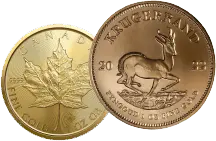
Bullion coins: Modern investment pieces like [Silver Eagles] or [Silver Maple Leafs] whose value tracks closely with spot price and carries a small premium above melt.
Junk silver: Circulated U.S. coins – pre-1965 dimes, quarters, and half dollars – sold primarily for their silver weight. Common dates in worn condition trade near melt.
Semi-numismatic coins: Widely collected types where date, condition, or type demand adds a modest premium above metal content.
Key-date and scarce coins: Pieces where the date and mintmark matter far more than silver weight. These should never be sold as bullion.
Proofs and mint sets: Often overlooked because they come in packaging. Original, undisturbed proof sets can carry meaningful premiums, especially when complete.
Separating these categories before asking for offers takes time, but it pays. A buyer quoting a bulk price has no incentive to tell you that one coin in the pile is worth ten times the rest.
Condition Changes Everything – Including What Buyers Will Pay
Condition is the single most misunderstood factor in coin pricing. Sellers often assume that an old, dark, worn coin must be valuable because it looks ancient. The opposite is frequently true.
A coin in heavily circulated condition with common dates is usually worth close to melt. A coin in the same series but in sharp, problem-free condition – especially if uncirculated – can bring a strong premium because collectors compete for high-grade examples.
The condition killers that sellers accidentally introduce are cleaning and polishing. A coin that has been wiped, dipped in household cleaner, or polished to look shiny has almost certainly lost collector value. Original surfaces, even if toned or slightly dirty, are preferred by the numismatic market. Leave coins as they are until a knowledgeable buyer has evaluated them.
⚠️ Warning: Do not clean silver coins before selling. Cleaning removes original surfaces and can drop a coin from a collectible premium to near-melt pricing in a single wipe.
If you are unsure whether a coin is circulated or uncirculated, understanding BU coin grading is a useful starting point before you approach any buyer.
Dates and Mintmarks – The Details That Move the Price Most
Within any silver coin series, value differences between dates can be enormous. Two coins that look nearly identical – same design, same denomination, same approximate age – can differ in price by hundreds of dollars because of a single letter mintmark or a low-mintage year.
The Morgan Dollar series is a classic example. Common dates in circulated grades trade close to melt. But certain date-and-mintmark combinations are genuinely scarce, and collectors pay serious premiums for them in any grade. The same is true for Walking Liberty Half Dollars, Barber coinage, and early American silver.
How to Check Date and Mintmark Value
1
Step 1 Identify the coin series (Morgan Dollar, Walking Liberty, Roosevelt Dime, etc.)
2
Step 2 Read the date carefully – some digits are worn and easy to misread
3
Step 3 Find the mintmark (usually on the reverse or near the date) – look for P, D, S, CC, or O
4
Step 4 Cross-reference the date and mintmark combination in a trusted price guide
5
Step 5 Note the grade range your coin appears to fall in – circulated, about uncirculated, or uncirculated
6
Step 6 Compare melt value to the guide price – if the guide price is significantly higher, that coin should not be sold as bullion
Overlooked Factors Selling Silver Coins: Authenticity and Testing
Authenticity concerns affect price, especially on higher-value pieces. Buyers pay more confidently when they can verify what they are buying. For common junk silver, this is rarely an issue – the coins are well-documented and easy to verify by weight, diameter, and reeding. For key dates and scarcer pieces, it matters a great deal.
Basic checks any seller should know:
Silver is not magnetic. A strong magnet will not stick to a genuine silver coin. If it does, the coin is not silver.
Weight and diameter should match published specifications. Deviations suggest a problem.
Edge reeding (the ridges on the coin’s edge) should be consistent and sharp on genuine coins.
Third-party grading by services like NGC or PCGS adds buyer confidence and can increase the price a collector will pay for a key date.
Accurate Precious Metals is an NGC Authorized Dealer, which means coins can be evaluated and submitted for grading through a trusted channel. For key dates or high-grade pieces in a collection, professional grading can recover more value than the submission cost.
Why the Type of Buyer Changes the Offer
Not all buyers value silver coins the same way, and shopping only one type of buyer is a common mistake.
A refiner or scrap buyer prices everything at or near melt. They are not interested in numismatic value – they are buying metal. If your collection contains collectible coins, selling to a refiner means leaving collector premiums behind.
A general coin shop buys a wide range of material and prices accordingly. Shops need margin to resell, so offers will be below retail, but a good shop will separate bullion from numismatic material and price each appropriately.
An auction house can reach specialist collectors willing to pay retail or above for the right coin, but auction fees, time, and minimum lot requirements make this impractical for most mixed collections.
A specialist precious metals dealer with numismatic experience – like Accurate Precious Metals – evaluates each coin on its own merits rather than averaging the entire collection down to melt. That distinction matters when the collection contains a mix of common bullion and genuinely scarce pieces.
What to Expect From Different Buyer Types
Pros
✓ Specialist dealer: separates bullion from numismatic value, pays accordingly
✓ Auction house: can reach top-dollar collectors for rare pieces
✓ Coin shop: familiar with numismatic premiums, buys mixed collections
Cons
✗ Refiner or scrap buyer: prices everything at or near melt, ignores collector value
✗ Single-offer approach: no competitive pressure, lower payout likely
✗ Selling without sorting: rare coins priced as common bullion
For sellers who want to understand the returns on silver coins before approaching any buyer, comparing melt value to numismatic ranges is a useful exercise.
Common Mistakes That Cost Sellers Real Money
Selling everything as one lot without sorting. Hidden key dates, proofs, and uncirculated coins get absorbed into a bulk price.
Ignoring dates and mintmarks. The most expensive mistake in silver coin selling.
Cleaning coins before selling. Original surfaces matter. Shine does not.
Accepting the first offer without comparison. Multiple offers create competitive pressure that benefits the seller.
Assuming age equals rarity. Many old silver coins are common in circulated grades and trade at melt.
Confusing melt value with market value. Melt is a floor, not the final answer.
Selling proofs and mint sets without checking original packaging. Complete, undisturbed sets carry premiums that loose coins do not.
Practical Steps Before You Sell
The preparation you do before contacting a buyer directly affects what you are offered. These steps take time but pay off:
Separate coins by type: bullion coins, junk silver, proofs, mint sets, and anything that looks unusual.
Check current silver spot price before any conversation about melt value. At the time of writing, silver is $60 per ounce.
Look up dates and mintmarks on any coin that appears to be from a collected series (Morgan Dollars, Peace Dollars, Walking Liberty, etc.).
Do not clean anything. Leave coins exactly as they are.
Note any coins with professional grading holders (NGC, PCGS slabs) – these should be evaluated separately.
Ask any buyer how they evaluate mixed collections and whether they pay different rates for bullion versus numismatic material.
Get at least two offers before deciding.
If the collection is large or includes inherited material you are not familiar with, a professional evaluation before selling is worth the time. Accurate Precious Metals offers in-person evaluations at the Salem, Oregon location, and the mail-in service is available for sellers anywhere in the United States with free insured shipping.
Misconceptions That Hurt Sellers Most
A few persistent myths cost sellers money repeatedly:
“Older means more valuable.” Age alone creates nothing. Scarcity and condition create value. Millions of old coins exist in common grades and trade at melt.
“Silver value is the only value.” The metal content sets a floor. Collector demand sets the ceiling. Many coins trade far above melt.
“A dealer offer is the true market value.” Dealer offers are wholesale. The retail market – where collectors buy – is higher. The gap exists because dealers need margin to resell. A fair offer accounts for that gap without eliminating it entirely.
“All silver coins are safe to sell together.” Mixed collections almost always contain a few pieces worth significantly more than the rest. Selling them together means the better coins subsidize a bulk discount.
Sell Your Silver Coins With Accurate Precious Metals
Accurate Precious Metals has been buying silver coins, bullion, and precious metals since 2012. With more than 1,000 five-star customer reviews and nationwide reach, the process is built for sellers who want a fair evaluation – not a fast lowball.
Whether your collection is a few rolls of junk silver or a carefully assembled set of key-date coins, the evaluation process separates bullion from numismatic material. Offers are competitive and based on current spot prices, which are updated in real time.
Sellers in the Salem, Oregon area are welcome to bring collections in person for a same-day evaluation. For everyone else across the United States, the sell my silver mail-in service provides free insured shipping, professional evaluation, and fast payment – no need to find a local buyer or settle for a single offer.
Accurate Precious Metals is a specialized precious metals dealer, not a pawn shop. The difference shows in how collections are evaluated and what sellers are offered. If you have silver coins you are ready to liquidate, start with a proper sort, check the current spot price, and reach out for an offer that reflects the full value of what you have – not just the metal weight.
Frequently Asked Questions
How do I know if my silver coins are worth more than melt value?
Check the date, mintmark, and condition against a numismatic price guide. If the guide price for your specific date and grade is significantly above the current melt value – silver is $60 per ounce at the time of writing – the coin has collectible value beyond its metal content.
Should I clean my silver coins before selling them?
No. Cleaning removes original surfaces and almost always reduces collector value. Buyers who specialize in numismatic coins strongly prefer untouched, original surfaces, even if toned or dirty-looking.
What is junk silver?
Junk silver refers to circulated U.S. coins minted before 1965 that contain 90% silver. Common dates in worn condition are sold primarily for their silver weight, not rarity. They trade near melt value.
How does a dealer's offer compare to retail coin prices?
Dealer offers are wholesale prices. The dealer needs margin to resell, so the offer will be below what a collector would pay at retail. That gap is normal and expected – a fair dealer will still price numismatic material above melt rather than averaging everything down.
Can I sell silver coins by mail if I am not near Salem, Oregon?
Yes. Accurate Precious Metals offers a mail-in service with free insured shipping for sellers anywhere in the United States. You can request a kit, ship your coins safely, and receive payment after evaluation.
Does the silver spot price affect numismatic coin values?
It can, but less directly than it affects bullion. When silver is strong, melt value rises and can narrow the gap between common coins and collectible ones. For genuinely scarce dates, collector demand drives pricing more than spot price. At the time of writing, silver is $60 per ounce – a strong price that makes even common junk silver worth evaluating carefully.
What types of silver coins should I separate before selling?
Separate bullion coins, junk silver, proofs, mint sets, and any coins with unusual dates or mintmarks. Proofs and mint sets in original packaging, uncirculated coins, and key-date pieces should all be evaluated individually rather than included in a bulk lot.
Make the smart choice — invest with Accurate Precious Metals
Whether you are buying bullion for the first time or adding to a long-term position, our team offers expert guidance, transparent pricing, and a reliable buyback program.