This content is for educational purposes only and is not financial or investment advice. Precious metals prices fluctuate; past performance does not guarantee future results. Consult a qualified professional before making investment decisions.
Getting the best return selling gold items isn’t just about finding a buyer – it’s about knowing what you have, understanding how each item is valued, and matching it to the right selling channel. Whether you’re clearing out a jewelry box, liquidating an inherited collection, or selling a mix of coins and bars, the strategy you use will directly determine how much cash you walk away with.
This guide walks through everything you need to know to sell multiple gold items at once without leaving money on the table.
Know What You Have Before You Sell Anything
The single biggest mistake sellers make is treating all gold items as interchangeable. They’re not. A broken 14k gold chain, a 1-ounce American Gold Eagle, and a rare pre-1933 U.S. gold coin all have completely different buyer pools – and completely different price ceilings.
Here’s how to sort what you have:
Bullion Coins and Bars
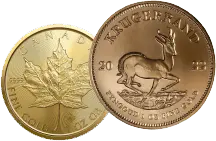
These are investment-grade gold products: coins like American Gold Eagles or Canadian Gold Maple Leafs, and bars from recognized refineries. Their value tracks closely with the spot price of gold, which at the time of writing sits at $3,991 per ounce. Buyers know exactly what they’re getting, which makes bullion the easiest category to price and sell.
Scrap Gold and Jewelry
Old necklaces, broken rings, dental gold, and mismatched earrings fall into the scrap category. Buyers price these based on weight and karat purity, then factor in refining costs. You won’t receive the full spot price for scrap – the offer reflects the metal content and the work required to recover it. Accurate Precious Metals offers competitive, fair pricing on scrap gold based on current spot prices.
Numismatic and Collectible Coins
These are coins where rarity, condition, and historical significance drive the price above melt value. A common-date coin in average condition might sell for close to spot. A rare date in top condition, graded by PCGS or NGC, can sell for multiples of its metal value. Selling these to a scrap buyer is one of the costliest mistakes a seller can make.
Designer and Antique Jewelry
Pieces from recognized luxury brands or with verifiable antique provenance can carry a premium beyond their gold content. Auction houses and specialty buyers may offer significantly more than a scrap price for the right piece.
ℹ️ Info: Separating your items by category before you approach any buyer is the most important step in this process. It takes 20 minutes and can be worth hundreds – or thousands – of dollars.
Understand the Pricing Framework: Spot Price vs. Melt Value
Two numbers drive almost every gold transaction.
The spot price is the live market price for one troy ounce of gold. At the time of writing, gold spot is $3,991 per ounce. Bullion items – coins and bars – sell near this price, with a small premium or discount depending on the product and buyer.
The melt value is what your gold is worth if it were melted down and refined. It’s calculated from the item’s weight and its actual gold content. A 14k gold ring, for example, is 58.3% pure gold. If it weighs 5 grams, the calculation looks like this:
5 grams ÷ 31.1 (grams per troy oz) x 0.583 x $3,991 = roughly $374 in gold content at the time of writing.
Scrap buyers pay based on melt value, minus their costs. Bullion buyers pay based on spot price, adjusted for the specific product. Numismatic buyers pay based on collector demand – which can exceed melt value by a wide margin.
Knowing these numbers before you walk in the door (or ship your items) means you can evaluate any offer intelligently.
Sort and Separate: The Strategy That Pays Off
Selling multiple gold items at once doesn’t mean selling them all to the same buyer in one transaction. It means organizing your collection so each item goes to the buyer who values it most.
How to Organize Your Gold Items Before Selling
1
Step 1 Lay everything out and photograph each item individually. Note any markings, hallmarks, or stamps (e.g., 10k, 14k, 18k, 750, 585, 999).
2
Step 2 Weigh each item using a kitchen scale or jeweler’s scale. Record weights in grams.
3
Step 3 Sort into three piles: bullion (coins/bars), scrap/jewelry, and potential numismatic items.
4
Step 4 For any coins, check the date, mint mark, and condition. Cross-reference with PCGS price guides for rare dates.
5
Step 5 Calculate estimated melt values for your scrap pile using current spot prices.
6
Step 6 Get quotes from multiple buyers – at minimum, compare a local dealer, an online buyer, and a mail-in service.
This process takes an afternoon. Done right, it regularly uncovers items that would have been sold for scrap but are worth far more as collectibles.
Choosing the Right Selling Channel for Each Item Type
Matching the item to the right buyer is where sellers either maximize or squander their return.
Bullion Coins and Bars
Reputable precious metals dealers – both local and online – offer the most competitive prices for bullion. They buy at a small discount to spot and resell at a small premium. The spread is narrow because the product is standardized. For a detailed breakdown of your options, selling gold online through a trusted dealer is often the fastest route to a fair price.
Scrap Gold and Jewelry
Local jewelers, pawn shops, and online mail-in services all buy scrap. Pawn shops typically offer the lowest prices – they need room to profit on resale and aren’t set up to refine metal efficiently. Dedicated precious metals dealers and mail-in refiners offer more competitive rates because they deal in volume.
Accurate Precious Metals buys scrap gold in any condition – broken chains, single earrings, bent rings, dental gold – and prices offers based on current spot. If you’re local to Salem, Oregon, you can bring items in person. If you’re anywhere else in the country, the mail-in service lets you ship your items with free insured packaging, get a professional assessment, and receive fast payment without leaving home.
Numismatic Coins
These need a specialist. Coin auction houses, numismatic dealers, and collector networks are the right channels. Selling a rare coin to a scrap buyer means getting paid only for the metal – you lose all the collector premium. Before selling any coin that looks old, unusual, or in exceptional condition, check PCGS price guides or ask a specialist to evaluate it. Accurate Precious Metals is an NGC Authorized Dealer and can assess coins properly rather than simply weighing them.
For more on building and liquidating a coin collection strategically, rare coin investing strategies covers the collector side of the market in depth.
Getting Multiple Offers: Why One Quote Is Never Enough
The gold buying market is competitive, but prices vary more than most sellers expect. A pawn shop might offer 50-60% of melt value on scrap jewelry. A dedicated precious metals dealer might offer considerably more. An online mail-in service might land somewhere in between, depending on volume and processing fees.
The only way to know if an offer is fair is to compare it. Get at least three quotes before committing to any transaction.
Selling to a Single Buyer vs. Shopping Around
Pros
✓ Shopping around takes a few extra hours but consistently produces higher returns
✓ Multiple quotes reveal which buyer values your specific items most
✓ Knowing the spot price gives you a baseline to evaluate every offer
Cons
✗ Selling to one buyer without comparing is fast but often leaves money on the table
✗ Pawn shops rarely offer competitive rates on gold – they’re generalists, not specialists
✗ Mixing numismatic coins into a scrap transaction destroys their collector value
When comparing offers, make sure you’re comparing apples to apples. Some buyers quote a price per gram; others quote a percentage of melt value or spot. Convert everything to the same unit – dollars per gram of actual gold content – so you can rank the offers clearly.
Timing Your Sale: Does It Matter?
Gold prices move daily. At the time of writing, gold spot is $3,991 per ounce – near historic highs. Selling during periods of elevated spot prices naturally produces better dollar returns on every item.
That said, trying to time the market perfectly is a losing game for most sellers. If you need liquidity, sell when the price is reasonable, not when it’s theoretically perfect. What matters more than timing is preparation: knowing what you have, getting competitive quotes, and selling each item to the right buyer.
One practical consideration: if you have a large collection, you don’t have to sell everything at once. Selling bullion when spot is high and holding numismatic items until the right buyer emerges can produce better overall returns than a single bulk transaction. For more context on when market conditions favor sellers, timing your gold sale is worth reading before you commit.
Condition, Provenance, and Documentation
For bullion, condition matters less than you might think – a scratched gold bar still sells for close to spot. For numismatic coins, condition is everything. A coin in MS-65 grade can sell for ten times what the same coin in VF-20 brings.
Provenance – the documented history of an item – adds value in specific situations. Designer jewelry with original receipts or appraisals, coins with original packaging and certificates, or antique pieces with auction records all command premiums over undocumented equivalents.
Before selling anything with potential collector value:
Keep all original packaging, boxes, and paperwork.
Have coins graded by PCGS or NGC if they appear to be in high grades – grading fees are often recovered many times over on the right coin.
Get a written appraisal for designer or antique jewelry before accepting any offer.
Photograph everything before shipping or handing items over.
Documentation doesn’t just protect you – it gives buyers confidence, which translates directly into better offers.
Common Mistakes That Cost Sellers Money
Even experienced sellers make these errors. Avoid them.
Selling numismatic coins to a scrap buyer. You receive only the metal value and forfeit the entire collector premium.
Accepting the first offer without comparison. The first offer is rarely the best one.
Mixing item types in a single transaction without separating values. A buyer who sees a pile of mixed items will price everything at the lowest common denominator.
Ignoring karat markings. A 10k gold piece has 41.7% gold content; an 18k piece has 75%. The difference in value is significant.
Selling during a market dip when it’s avoidable. If you have flexibility, monitor spot prices and sell when gold is strong.
Overlooking small items. Dental gold, single earrings, and broken clasps add up. Don’t leave them out of the transaction.
⚠️ Warning: Never hand over items to any buyer – local or online – without getting a written offer first. A reputable buyer will always provide an offer before completing the transaction.
How Accurate Precious Metals Makes Selling Multiple Items Simple
Accurate Precious Metals has been buying gold since 2012 and has earned more than 1,000 five-star reviews from customers across the country. Unlike pawn shops, which deal in everything from electronics to furniture, Accurate Precious Metals focuses exclusively on precious metals – which means the team knows exactly what each item is worth and prices it accordingly.
The buying process is designed to handle mixed collections without hassle. Coins, bars, jewelry, dental scrap, broken pieces – all of it gets assessed and priced based on current spot prices. There’s no pressure to sell on the spot, and offers are competitive.
For sellers in the Salem, Oregon area, the easiest option is to bring items in person. The team will evaluate everything, explain what each category is worth, and make an offer. You can reach the Salem location directly at (503) 400-5608.
For sellers anywhere else in the United States, the mail-in program removes every logistical barrier. Accurate Precious Metals sends a free insured shipping kit, and once items arrive, the team assesses them and issues payment quickly. The process is straightforward: pack, ship, get paid. There’s no need to drive across town or negotiate in person if that’s not convenient.
Whether you’re selling a single inherited necklace or a full collection of mixed gold items, the process works the same way. Selling your gold through a specialist dealer consistently produces better returns than selling through generalist buyers – and with over a decade of experience and thousands of satisfied customers, Accurate Precious Metals is the clear choice for sellers who want a fair, professional transaction.
Frequently Asked Questions
Should I sell all my gold items to one buyer or split them up?
It depends on what you have. Bullion and scrap can often go to the same dealer efficiently. Numismatic coins should go to a specialist buyer who values collector premiums – selling them to a scrap buyer means losing that premium entirely.
How do I know if a gold coin is numismatic or just bullion?
Modern bullion coins like American Gold Eagles and Canadian Maple Leafs are priced near spot. Older coins, coins with unusual dates or mint marks, or coins in exceptional condition may carry collector value above spot. Check PCGS price guides or consult a specialist before selling any coin you're unsure about.
What is the current spot price of gold?
At the time of writing, gold spot is $3,991 per ounce. Spot prices change daily – check a live price feed before any transaction.
Does condition matter for scrap gold?
For scrap, no – a bent or broken piece sells for the same as an intact one of the same weight and karat. For numismatic coins, condition is one of the most important value factors.
Is it safe to mail in gold items?
Yes, when using a reputable mail-in service with insured shipping. Accurate Precious Metals provides a free insured shipping kit, so your items are covered during transit.
What karat markings should I look for on gold jewelry?
Common stamps include 10k (41.7% gold), 14k (58.3% gold), 18k (75% gold), 750 (18k), 585 (14k), and 417 (10k). Pure gold is stamped 999 or 24k.
Can I sell dental gold?
Yes. Dental gold – crowns, bridges, and fillings – contains real gold and is purchased by precious metals dealers. Accurate Precious Metals buys dental scrap and prices it based on metal content and current spot prices.
How quickly will I get paid if I use a mail-in service?
Accurate Precious Metals processes mail-in items promptly after receipt. Payment is issued quickly once you accept the offer.
Make the smart choice — invest with Accurate Precious Metals
Whether you are buying bullion for the first time or adding to a long-term position, our team offers expert guidance, transparent pricing, and a reliable buyback program.