This content is for educational purposes only and is not financial or investment advice. Precious metals prices fluctuate; past performance does not guarantee future results. Consult a qualified professional before making investment decisions.
If you’re ready to sell a large silver collection, the difference between a good outcome and a great one comes down to preparation, knowledge, and choosing the right buyer. A collection built over years – or inherited from someone who built it over decades – can represent serious money. Silver is trading at $60 per ounce at the time of writing, which means even a modest 100-ounce collection has a melt value of $6,000. Larger collections can easily reach five or six figures.
The challenge is that most people only sell a large silver collection once. Without a clear process, it’s easy to leave money on the table – selling numismatic coins for melt value, accepting the first lowball offer, or shipping items without proper insurance. This guide walks you through every step, from taking stock of what you own to completing a safe and profitable sale.
The single biggest mistake sellers make is skipping this step. Before you contact a single buyer, you need a complete picture of your collection.
Start by listing every item. Coins, bars, rounds, flatware, jewelry – write it all down. For each piece, note the type, approximate weight, purity (if marked), condition, and any dates or mint marks. This sounds tedious, but it takes an hour or two and pays off significantly when you’re negotiating.
Once you have your list, separate your collection into categories:
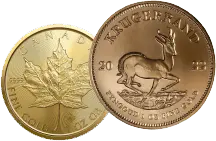
Bullion coins and bars: Items like [Silver Eagles], [Silver Maple Leafs], or 10 oz silver bars. These are valued primarily by their silver content – their melt value.
Numismatic coins: Older coins like Morgan Dollars, Peace Dollars, or early Barber coinage. These may carry significant value beyond their silver content based on rarity, date, and condition.
Sterling silver flatware and jewelry: Spoons, forks, candlesticks, necklaces, brooches. Sterling is 92.5% pure silver. These items have melt value, and some have additional value as antiques or designer pieces.
Scrap or damaged silver: Broken items, bent coins, or pieces with unclear markings. These are typically sold for melt value only.
This separation matters because each category should be sold differently – and ideally priced differently.
Calculate Your Melt Value First
Melt value is your baseline. It’s the minimum your silver is worth, and it anchors every negotiation.
The formula is straightforward: multiply the total weight of pure silver by the current spot price.
At the time of writing, silver is $60 per ounce. If your collection contains 200 troy ounces of pure silver, your melt value is $12,000. That’s your floor – not your ceiling.
For sterling silver items (92.5% pure), multiply the item’s weight by 0.925 to get the pure silver content. A 10 oz sterling candlestick contains 9.25 oz of pure silver. At $60/oz, that’s $555 in melt value alone.
For bullion coins and bars marked .999 fine, the math is even simpler – a 1 oz coin contains 0.999 oz of pure silver. Close enough to face value for most calculations.
Keep in mind that melt value is not what you’ll receive. Dealers need a margin to operate. What matters is how close to melt value your offer is. For standard bullion, a competitive offer should be quite close to spot. For silver flatware and hollowware, expect the offer to reflect melt value with some adjustment for the refining process.
How to Calculate Your Silver Collection’s Melt Value
1
Step 1 – Weigh each item Use a digital scale that measures in troy ounces. One troy ounce equals 31.1 grams.
2
Step 2 – Determine purity Bullion is typically .999. Sterling silver is .925. Check hallmarks stamped on the piece.
3
Step 3 – Calculate pure silver weight Multiply total weight x purity. Example: 50 oz x .925 = 46.25 oz pure silver.
4
Step 4 – Multiply by spot price 46.25 oz x $60/oz (at time of writing) = $2,775 melt value.
5
Step 5 – Use this as your negotiating baseline Any offer significantly below this number deserves a second opinion.
Don’t Sell Numismatic Coins for Melt Value
This is where sellers lose the most money. A 1921 Morgan Dollar contains about 0.77 oz of silver – roughly $46 in melt value at today’s prices. But depending on the mint mark and condition, that same coin might sell for $50, $150, or considerably more to a collector.
Before selling any coin dated before 1965, look it up. Resources like the Professional Coin Grading Service (PCGS) and Numismatic Guaranty Company (NGC) maintain public databases with current market values by grade. The Red Book (A Guide Book of United States Coins) is another solid reference.
If you suspect you have genuinely rare coins – low-mintage dates, unusual mint marks, or coins in exceptional condition – get a professional appraisal before selling. Accurate Precious Metals is an NGC Authorized Dealer, which means our team can evaluate coins properly and ensure you’re not selling a $500 coin for $50.
For a deeper look at maximizing returns on a coin-heavy collection, selling silver coins for top dollar covers the key factors that drive numismatic premiums.
Prepare Your Collection the Right Way
How you present your collection affects the offers you receive. A well-organized collection signals to a buyer that the seller knows what they have – and that tends to produce better offers.
What to Do
Group similar items together. Put all bullion bars in one group, all pre-1965 coins in another, flatware in a third. Label each group clearly. If you have original packaging, receipts, or certificates of authenticity for bullion items, keep those with the relevant pieces – they can add value.
For storage, use coin capsules or flips for individual coins. Avoid plastic bags that can scratch surfaces.
What Not to Do
Do not clean your coins. This is critical for numismatic pieces. Cleaning removes the natural patina that collectors and graders look for, and it permanently lowers a coin’s grade – and its value. A lightly circulated Morgan Dollar with original surfaces is worth more than a shiny one that’s been polished.
For bullion coins and bars, cleaning is less damaging but still unnecessary. Leave them as they are.
Where to Sell a Large Silver Collection
Your choice of buyer has more impact on your final payout than almost anything else. Here’s how to think about each option.
Local Coin Shops
Good for quick, in-person transactions. A reputable local dealer will weigh your items, check spot prices, and give you a same-day offer. Visit at least three shops before accepting anything. Offers vary more than you’d expect.
The limitation with local shops is capacity. A small coin shop may not have the liquidity to buy a very large collection outright. They may offer less simply because they can’t move that much inventory quickly.
Pawn Shops
Pawn shops are not precious metals specialists. Their offers on silver typically reflect that. For a large collection, a pawn shop should be your last resort, not your first call.
Online Dealers and Mail-In Services
For large collections, a mail-in service with a reputable precious metals dealer is often the best combination of convenience and competitive pricing. You ship your items securely, the dealer evaluates everything, and you receive an offer – with the option to accept payment or have items returned.
Accurate Precious Metals offers a mail-in service for selling silver that works for customers anywhere in the United States. Items are shipped with insured delivery, evaluated by our team, and you receive a competitive offer based on current spot prices. It’s a practical solution when you have a large, mixed collection that would take days to haul around to local shops.
If you’re in the Salem, Oregon area, you’re also welcome to bring your collection in person. Our team has more than a decade of experience and more than 1,000 five-star reviews – we’ve handled everything from single coins to estate collections with hundreds of pieces.
ℹ️ Info: For large collections with a mix of bullion, numismatic coins, and flatware, a single experienced dealer can evaluate everything at once – saving you the time and risk of splitting the collection across multiple buyers.
Private Buyers and Auctions
For high-value numismatic coins, auction houses like Heritage Auctions or Stack’s Bowers can achieve strong prices from competitive bidding. The tradeoff is time – auctions take weeks or months – and fees, which can be substantial.
Private sales through online platforms can work for individual coins but become complicated at scale. Shipping risk, payment security, and the effort of managing dozens of individual transactions make this a poor fit for most large collections.
Get Multiple Offers Before You Decide
No matter how trustworthy a buyer seems, compare offers. This is especially true for large collections where the dollar difference between offers can be significant.
When you request quotes, provide the same information to each buyer: total weight by category, purity, and a list of any notable numismatic pieces. This makes offers directly comparable.
Getting Multiple Offers
Pros
✓ You establish a competitive baseline before committing
✓ You may discover a numismatic piece is worth more than expected
✓ Buyers know you’re informed and tend to offer more
Cons
✗ It takes more time upfront
✗ Shipping items to multiple buyers increases handling risk
Watch for lowball offers. For standard bullion silver, an offer that’s significantly below the current spot price of $60/oz (at the time of writing) is a red flag. For numismatic coins, compare offers against current PCGS or NGC price guide values for the relevant grade.
Timing Your Sale
Silver prices move daily. At $60/oz at the time of writing, silver is historically elevated – but markets change. If you’re not in a rush, it’s worth watching price trends for a few weeks before committing.
That said, trying to time the market perfectly is a losing game for most sellers. If the price is strong and your offers are competitive, selling now is often the right call. Waiting for a higher price means accepting the risk that prices fall instead.
For very large collections – hundreds of ounces or more – selling everything at once to a single buyer is usually the most efficient approach. You avoid the complexity of managing multiple transactions, and a buyer purchasing in volume may offer better terms.
The exception is numismatic coins. High-value coins often do better sold individually or through specialist channels rather than lumped into a bulk transaction. Separate your bullion from your collectibles, sell the bullion in one transaction, and handle the numismatic pieces through an appropriate channel.
If you’re working through a mixed estate collection with items across multiple categories – coins, bars, flatware, and jewelry – our guide on selling a large precious metals collection covers how to approach each category strategically.
Complete the Sale Safely
Once you’ve agreed on a price, a few practical steps protect you.
Always get a written receipt. It should include the date, a description of items sold, the agreed price, and the buyer’s name and contact information. Keep this for your records.
For mail-in sales, use insured shipping. The value of a large silver collection can easily exceed standard shipping insurance limits – make sure your coverage matches the actual value of what you’re sending. Reputable mail-in programs, including ours, provide insured shipping materials as part of the process.
Keep records for tax purposes. In the United States, profits from selling precious metals are generally treated as capital gains. The specific tax treatment depends on how long you held the items and your overall tax situation. Consult a tax professional if you’re unsure – this is especially relevant for large collections where the gain may be significant.
Why Accurate Precious Metals Is the Right Choice
Accurate Precious Metals has been buying silver collections since 2012. We’re not a pawn shop – we’re a dedicated precious metals dealer based in Salem, Oregon, with the expertise to evaluate every category of silver fairly: bullion coins and bars, numismatic coins, sterling flatware, and silver jewelry.
Our pricing is based on current spot prices. We update our offers in real time as markets move, which means you’re always getting a current number – not a stale quote from last week.
As an NGC Authorized Dealer, we can properly assess numismatic coins rather than defaulting to melt value for everything. That matters when you’re selling a collection that includes older coins with collector value.
For sellers outside Oregon, our mail-in silver selling service makes it easy to work with us from anywhere in the country. We provide insured shipping, evaluate your items thoroughly, and get you a competitive offer fast. Local customers are welcome to visit our Salem location in person – bring your collection and we’ll go through it with you on the spot.
Whether your collection is 50 ounces or 5,000 ounces, we have the experience and liquidity to handle it. Call us at (503) 400-5608 or visit AccuratePMR.com to get started.
Frequently Asked Questions
How do I know if my silver coins are numismatic or just bullion?
Bullion coins are modern, mass-produced coins valued primarily for their silver content – think American Silver Eagles or Canadian Maple Leafs. Numismatic coins are older, rarer, or in exceptional condition and carry value beyond their metal. Pre-1965 U.S. silver coins (Morgan Dollars, Peace Dollars, Walking Liberty halves, etc.) should always be checked for numismatic value before selling.
Should I clean my silver before selling it?
No. For numismatic coins, cleaning permanently damages the surface and lowers the grade – and the value. For bullion and flatware, cleaning is unnecessary and can sometimes reduce appeal. Leave items as they are and let the buyer evaluate them in their natural state.
How close to spot price should I expect to receive for bullion silver?
Competitive dealers offer prices close to the current spot price for standard bullion. The exact amount depends on the specific items, current market conditions, and the dealer. At the time of writing, silver spot is $60/oz – use that as your reference point when evaluating offers.
Can I sell a large silver collection by mail?
Yes. Accurate Precious Metals offers a mail-in service with insured shipping for customers across the United States. You send your collection, we evaluate it and provide a competitive offer, and you receive payment quickly. It's a practical option for large collections where traveling to a dealer isn't convenient.
What happens to numismatic coins I sell to a dealer?
Reputable dealers either resell them to collectors or hold them in inventory. As an NGC Authorized Dealer, Accurate Precious Metals can properly grade and value numismatic pieces rather than treating them as scrap silver.
Do I owe taxes when I sell silver?
In most cases, yes – profits from selling precious metals are subject to capital gains tax in the United States. The rate depends on how long you held the items and your income level. Keep your receipts and consult a tax professional for guidance specific to your situation.
Is it better to sell a large collection all at once or in pieces?
For bullion, selling in one transaction to a single buyer is usually more efficient. For numismatic coins, individual sales or specialist auction channels may produce better results. Splitting the collection by category – bullion in one transaction, numismatics handled separately – is often the best approach for mixed collections.
Make the smart choice — invest with Accurate Precious Metals
Whether you are buying bullion for the first time or adding to a long-term position, our team offers expert guidance, transparent pricing, and a reliable buyback program.