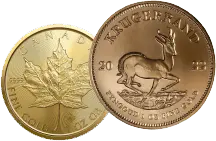
As the Federal Reserve signals a potential interest rate cut, investors and traders alike are left wondering how this monetary policy change will affect the price of gold. This article delves into the intricate relationship between interest rates and the yellow metal, exploring the implications of rate cuts on gold demand, production, and investment strategies. Understanding these dynamics is crucial for anyone looking to navigate the complex landscape of precious metals investment.
Outline of the Article
- What is the Current Price of Gold?
- How Does the Fed Rate Influence Gold Prices?
- Are Rate Cuts Bullish for Gold?
- What Role Do Central Banks Play in Gold Prices?
- How Does Economic Uncertainty Affect Gold Demand?
- What Are the Historical Trends in Gold Prices During Rate Cuts?
- How Do Retail Investors Respond to Fed Rate Changes?
- What Is the Impact of Geopolitical Tensions on Gold Demand?
- Should You Invest in Gold During a Fed Rate Cut?
- How to Buy and Sell Gold Effectively?
The current price of gold reflects a myriad of factors, including market sentiment, inflation rates, and currency strength. As of October 2023, the spot gold price hovers around $1,900 per ounce, a level that showcases the ongoing demand for the yellow metal amid economic uncertainty. This price can fluctuate significantly based on various financial indicators, including the actions of the Federal Reserve.
Investors often monitor the gold spot price closely, especially during pivotal moments in monetary policy. The relationship between the price of gold and prevailing interest rates is critical, as changes in the Fed rate can either bolster or diminish the attractiveness of gold as a safe-haven asset.
The Federal Reserve’s interest rate decisions directly impact the price of gold. When the Fed lowers the federal funds rate, it usually leads to a weaker U.S. dollar, which makes gold cheaper for foreign investors and increases demand. This heightened demand can drive up the gold price as investors seek to hedge against inflation and currency fluctuations.
Conversely, when the Fed raises interest rates, the opportunity cost of holding gold increases. Gold does not yield interest, while bonds and savings accounts do. Thus, higher interest rates often lead to a decline in gold prices as investors shift their focus to interest-bearing assets. Understanding this relationship is crucial for anyone looking to invest in gold during periods of monetary policy shifts.
Historically, rate cuts have been bullish for gold prices. When the Fed cuts rates, it signals a more accommodative monetary policy aimed at stimulating the economy, often in response to economic downturns or uncertainty. This environment tends to increase the demand for gold as a safe-haven asset, leading to higher prices for the yellow metal.
Central banks hold significant gold reserves, and their buying and selling activities can have a noticeable impact on gold prices. When central banks increase their gold holdings, it signals confidence in the metal’s long-term value, often leading to an uptick in gold prices. Conversely, if central banks sell off their reserves, it can lead to a decline in demand and subsequently lower prices.
Economic uncertainty drives investors towards safe-haven assets like gold. When markets face volatility, geopolitical tensions, or fears of recession, the demand for gold tends to rise. Investors seek to preserve their wealth, and gold offers a hedge against the potential for currency devaluation and stock market declines.
A historical analysis reveals a consistent trend: gold prices often rise in the aftermath of Fed rate cuts. For instance, during the 2008 financial crisis, the Federal Reserve slashed rates to near zero, and gold prices surged to all-time highs as investors sought refuge from economic turmoil.
Retail investors often react to Fed rate changes by adjusting their portfolios to include more gold. When the Fed signals a rate cut, many view it as an opportunity to buy gold at potentially lower prices, anticipating future price increases. This behavior is particularly pronounced among those looking to hedge against inflation and economic instability.
Geopolitical tensions can create spikes in gold demand as investors seek safe-haven assets during periods of uncertainty. Events such as conflicts, trade wars, and political instability often lead to increased buying of gold as a protective measure. This trend is particularly evident in times when currencies face devaluation or when economic sanctions disrupt financial markets.
Investing in gold during a Fed rate cut can be a strategic move for many investors. Historical data suggests that rate cuts often lead to higher gold prices, making gold an attractive asset class during these periods. Investors may consider diversifying their portfolios with gold as a hedge against currency fluctuations and inflation.
When considering buying gold, investors should focus on reputable dealers and platforms. Accurate Precious Metals offers a range of gold products but does not provide free shipping unless certain order thresholds are met. It’s essential to compare prices, understand the market conditions, and determine the best time to buy or sell gold based on personal financial strategies.
What are the main factors influencing gold prices?
The primary factors influencing gold prices include interest rates, inflation, currency strength, and overall economic stability. Geopolitical events also significantly influence the demand for gold as a safe-haven asset.
The Federal Reserve typically meets several times a year to assess economic conditions and make decisions regarding interest rates. Depending on economic indicators, changes can occur at any of these meetings.
Yes, gold has historically served as a hedge against inflation. When inflation rises, the value of currency may decline, prompting investors to seek gold as a stable store of value.
Investors can choose to invest in physical gold, such as bullion and coins, or through financial instruments like gold ETFs and mutual funds. Each option has its pros and cons, so it’s essential to evaluate personal investment goals.
When investing in gold, consider the following:
- Monitor Fed rate changes and economic indicators.
- Understand the impact of geopolitical events on gold demand.
- Evaluate your risk tolerance and investment strategy.
- Consult with reputable dealers like Accurate Precious Metals for informed buying and selling decisions.
In summary, the relationship between the Fed rate and the price of gold is complex yet significant. As interest rates fluctuate, so do the dynamics of gold demand, production, and investment strategies. Investors should stay informed and consider the implications of monetary policy changes on their gold investments.
- World Gold Council. “Gold Demand Trends Q2 2023.” World Gold Council, 2023, www.gold.org.
- CBS News. “How Fed Rate Cuts Impact Gold Prices.” CBS News, 2023, www.cbsnews.com.
- Investopedia. “The Relationship Between Gold and Interest Rates.” Investopedia, 2023, www.investopedia.com.