This content is for educational purposes only and is not financial or investment advice. Precious metals prices fluctuate; past performance does not guarantee future results. Consult a qualified professional before making investment decisions.
Tap the image to enlarge and zoom.Hover to magnify, or click to open full screen.
A gold melt value calculator guide is one of the most practical tools you can use before selling or buying gold – but only if you understand what the number actually means. The calculator tells you the raw metal value of a gold item based on its weight, purity, and the current spot price. That is useful. What it does not tell you is the full story.
This guide walks through how these calculators work, where they fall short, and how to use the output to make smarter decisions – whether you are selling a scrap ring, evaluating a coin, or simply curious about what your jewelry is worth.
What Melt Value Actually Means
Melt value is the dollar amount you would get if you melted a gold item down to raw metal and sold it at the current market price. Nothing more. A ring, a chain, a dental crown, or a coin all have a melt value based purely on how much gold they contain.
It is often called intrinsic value or bullion value, especially in coin collecting. The terminology changes, but the concept is the same: strip away the design, the brand, the history – what is the metal itself worth?
For common scrap jewelry, melt value is usually the floor price. For collectible coins, the actual sale price can be significantly higher if the coin carries numismatic demand, historical significance, or exceptional condition.
The Core Formula Behind Every Gold Melt Value Calculator
Every calculator – simple or advanced – runs the same math.
Weight x Purity x Spot Price = Melt Value
The formula is straightforward. The challenge is making sure all three inputs are accurate and that the units match. Enter weight in grams but forget the calculator is working in troy ounces, and the result will be wrong.
Most good calculators handle unit conversion automatically. They let you enter grams, pennyweights, or troy ounces and convert internally. But it is still worth knowing which unit you are using so you can sanity-check the output.
How Purity Works: Karats and Fineness Explained
Gold purity is measured two ways depending on the item type.
Karats are used for jewelry. Fineness is used for bullion coins and bars.
Here is how the karat scale translates to actual gold content:
Karat Stamp
Gold Content
Common Uses
24K
99.9% gold
Bullion, some Asian jewelry
22K
91.7% gold
Bullion coins (Gold Eagles)
18K
75.0% gold
Fine jewelry
14K
58.3% gold
Most U.S. jewelry
10K
41.7% gold
Budget jewelry, class rings
A calculator converts the karat to a decimal purity factor. For 14K gold, that factor is 0.583. Multiply the item weight by 0.583 and you get the pure gold content. Multiply that by the spot price per gram and you have the melt value.
One thing beginners miss: two rings that weigh the same are not worth the same if they are different karats. A 14K ring and an 18K ring of identical weight contain different amounts of gold. The 18K ring has more.
Why the Spot Price Input Matters So Much
A melt calculator is only as current as the spot price it uses. Gold trades around the clock on global markets. The price you see at 9 a.m. may be different by noon.
At the time of writing, gold (XAU) is $4,345 per troy ounce. That is the benchmark a calculator should be using right now. If a tool is pulling an outdated or cached price, your estimate will be off.
Before you trust any calculator output, confirm the spot price it is using. Most reputable tools pull live data, but some free online calculators update only once a day or use delayed feeds. If you are making a real selling decision, the live price matters.
Step-by-Step: Using a Gold Melt Value Calculator the Right Way
How to Use a Gold Melt Value Calculator
1
Step 1 – Weigh the item Use a digital scale accurate to 0.01 grams. Remove any non-gold components – clasps, stones, or settings – if possible. Weigh in grams for jewelry or troy ounces for bullion.
2
Step 2 – Identify the purity Look for a karat stamp: 10K, 14K, 18K, 22K, or 24K. For coins, identify the coin type. Bullion coins like the 2025 1 oz Gold Eagle have a known purity of .9167 fine gold.
3
Step 3 – Confirm the live spot price Check that the calculator is using today’s price. At the time of writing, gold is $4,345/oz. That number changes daily.
4
Step 4 – Enter the values Input weight, select the karat or fineness, and run the calculation. The result is the melt value in dollars.
5
Step 5 – Interpret the result correctly The number you see is the metal floor – not the retail value, not the dealer offer, not the collector price. Use it as a reference point, not a final answer.
What a Melt Calculator Does Not Tell You
This is where many sellers make mistakes. They run the calculation, see a number, and assume that is what they should receive. It is not that simple.
A melt calculator does not account for:
Craftsmanship or design value – a hand-engraved antique piece may be worth more as jewelry than as scrap
Brand or maker’s mark – certain makers command premiums in the secondary market
Gemstone content – diamonds and colored stones are not included in a gold melt calculation
Collector premiums – a rare pre-1933 U.S. gold coin may sell for multiples of its melt value
Refining and dealer costs – dealers who buy scrap gold must account for refining, assay risk, and overhead
For scrap jewelry, the melt value is a reasonable starting point for understanding what you might receive. For coins, always check whether the piece has numismatic value beyond its metal content. A common gold coin from a major mint may trade close to melt, while a rare date or high-grade example can command a significant premium.
⚠️ Warning: Melt value is the metal floor – not the payout floor. Dealers factor in real costs when making offers. A competitive offer from a reputable dealer will be based on current spot prices, but it reflects the full picture of what it costs to process and sell the metal.
A Practical Example with Real Numbers
Take a 14K gold ring weighing 4 grams.
14K gold is 58.3% pure. So the ring contains 4 x 0.583 = 2.332 grams of pure gold.
There are approximately 31.1 grams in a troy ounce. At $4,345 per troy ounce, gold is worth about $139.71 per gram at the time of writing.
2.332 grams x $139.71 = roughly $325.80 in melt value.
That is the raw metal value of the ring. A dealer buying scrap will offer a competitive price based on that benchmark. A jeweler selling the same ring retail might price it far higher based on design, brand, and market positioning.
The melt value gives you a grounded number to work from. It stops you from being lowballed dramatically and helps you compare offers.
Types of Gold Melt Calculators
Not all calculators are built the same way. Knowing which type you need saves time.
Scrap gold calculators are designed for jewelry, dental gold, and mixed scrap. You enter weight and karat, and the tool returns the metal value. These are the most common type and work well for rings, chains, bracelets, and broken pieces.
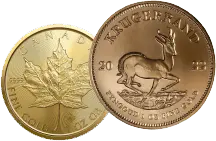
Coin melt calculators work differently. Instead of entering karat, you select the coin type. The calculator already knows the coin’s weight and gold content. For example, a 1 oz Gold Maple Leaf contains exactly one troy ounce of .9999 fine gold – the calculator uses that known specification rather than requiring a manual purity input.
Multi-metal calculators handle gold, silver, platinum, and palladium in one tool. Useful when you have a mixed lot. At the time of writing, silver is $70/oz, platinum is $1,768/oz, and palladium is $1,251/oz – so a multi-metal tool can give you a combined melt value across different items.
For the most accurate results, match the calculator type to the item you are evaluating. Using a generic scrap calculator for a collectible coin, for instance, gives you the metal value but misses the numismatic premium entirely.
Common Mistakes and Misconceptions
Assuming gold-stamped means solid gold. Gold-plated, gold-filled, and vermeil items all carry some form of gold marking but contain far less gold than solid pieces. A calculator is only as accurate as the purity you enter. If you enter 18K for a gold-plated item, the result will be wildly inflated.
Using the wrong weight unit. Entering grams into a field that expects troy ounces – or vice versa – produces a wrong answer. Always check which unit the calculator expects.
Ignoring the spot price date. A calculation run last week with last week’s price is not useful today. Gold can move hundreds of dollars in a short period.
Treating melt value as the retail value. A jeweler prices a finished piece based on design, labor, brand, and market positioning. Melt value has nothing to do with that number.
Forgetting about non-gold parts. If a necklace has a steel clasp, that clasp weight should not go into a gold melt calculation. Weigh the gold portions separately when possible, or use a calculator that lets you subtract non-gold weight.
ℹ️ Info: For collectors evaluating whether a coin is worth more than its metal, check melt value vs collectible silver for a parallel breakdown of how numismatic premiums work – the same logic applies to gold coins.
Melt Value in Context: Coins vs. Scrap Jewelry
The same calculation applies to both coins and jewelry, but the practical outcome can be very different.
For scrap jewelry, melt value is often close to the realistic transaction price. A broken 14K bracelet does not carry a collector premium. Its value is almost entirely the gold content.
For bullion coins, melt value sets the floor but the actual price includes a premium over spot. A 1 oz Gold Bar or a standard bullion coin typically trades at a modest premium above melt – enough to cover minting, distribution, and dealer margin.
For numismatic coins, melt value can be almost irrelevant. A rare pre-1933 U.S. gold coin in excellent condition might sell for ten times its melt value because collectors are paying for history, rarity, and condition – not just metal.
Understanding which category your item falls into is as important as running the calculation itself.
$4,345
Gold spot price per troy oz (at time of writing)
$70
Silver spot price per troy oz (at time of writing)
$1,768
Platinum spot price per troy oz (at time of writing)
$1,251
Palladium spot price per troy oz (at time of writing)
Selling Your Gold: Turning Melt Value Into an Offer
Once you have a melt value estimate, the next step is getting an actual offer. This is where working with a reputable dealer matters.
Accurate Precious Metals has been buying gold since 2012 from customers across the United States. With more than 1,000 five-star reviews, the company has built a reputation for fair, competitive offers based on current spot prices – not lowball pawn-shop numbers.
If you are local to Salem, Oregon, you are welcome to bring your items in person. The team will assess your gold and make an offer on the spot. For everyone else in the country, the mail-in service makes it easy to sell from home.
The process is simple: request a mail-in kit, ship your items with free insured delivery, and receive a competitive offer based on the current market. If you want to know how much is my gold worth before you send anything, the mail-in page walks you through what to expect.
Accurate Precious Metals buys everything – scrap rings, broken chains, dental gold, bullion coins, bars, and more. The condition does not matter. Broken or intact, the metal value is what counts for scrap, and the team knows how to evaluate numismatic pieces as well. As an NGC Authorized Dealer, the company also offers grading services for coins that may be worth more than their melt value.
Whether you are selling a single ring or a collection of mixed pieces, the melt value calculation you run beforehand gives you a solid reference point. It will not be identical to the offer – no calculation accounts for every variable – but it puts you in an informed position.
💡 Tip: Before selling, run the numbers yourself using the scrap calculator above. Then request an offer from a dealer you trust. If the two numbers are in the same ballpark, you are in good shape. If there is a large gap, ask questions.
For a broader look at the selling process, the beginner’s guide to selling gold for cash covers what to expect from start to finish, including how offers are made and what documentation you might need.
Frequently Asked Questions
What is the difference between melt value and market value?
Melt value is the raw metal content of an item priced at the current spot rate. Market value includes everything else – craftsmanship, brand, collector demand, rarity, and condition. For scrap jewelry, the two numbers are often close. For collectible coins or designer pieces, market value can be much higher.
Can I trust free online gold melt calculators?
Most are accurate if they use a live spot price feed and you enter the correct weight and purity. The risk is using a calculator with a delayed or outdated price, or entering the wrong karat. Always verify the spot price the tool is using before relying on the result.
Why is my dealer's offer lower than the melt value I calculated?
Dealers who buy scrap gold have real costs: refining, assay, overhead, and margin. A competitive dealer's offer will reflect current spot prices, but it will not equal 100% of melt value. That is standard across the industry. The goal is finding a dealer whose offer is fair and competitive, not one that promises the impossible.
Does karat stamping guarantee the gold content is accurate?
Karat stamps are legally regulated in the United States, but stamps can be wrong – especially on older or imported pieces. A reputable dealer will test items before making an offer, typically through XRF analysis or other evaluation methods, rather than relying solely on the stamp.
How often does gold spot price change?
Gold trades continuously on global markets. The price updates in real time during trading hours and can move significantly within a single day. Always use a live price when running a melt value calculation if you plan to act on the result.
Is a 10K gold item worth selling?
Yes. At 41.7% gold content, a 10K item still has meaningful metal value. At $4,345/oz at the time of writing, even a small 10K piece contains real gold. Run the calculation to see the number – it is often more than people expect.
What if my item has gemstones – does that affect the melt value?
The melt calculator covers gold content only. Gemstones are not included in the calculation. If your piece has diamonds or other stones, those need to be evaluated separately. A full appraisal from a dealer who handles both metal and stones will give you a more complete picture.
Make the smart choice — invest with Accurate Precious Metals
Whether you are buying bullion for the first time or adding to a long-term position, our team offers expert guidance, transparent pricing, and a reliable buyback program.