This content is for educational purposes only and is not financial or investment advice. Precious metals prices fluctuate; past performance does not guarantee future results. Consult a qualified professional before making investment decisions.
Tap the image to enlarge and zoom.Hover to magnify, or click to open full screen.
Knowing the best time to buy gold and silver can mean the difference between a strong entry point and paying a premium you did not need to. Whether you are stacking bullion for long-term wealth preservation, building a coin collection, or adding metals to a retirement portfolio, timing matters – but it is only one piece of a larger picture. Spot price, dealer premiums, your personal goals, and market conditions all play a role. This guide breaks down the real patterns, the common misconceptions, and the practical strategies that experienced buyers use.
Gold is sitting at roughly $4,529 per ounce at the time of writing, and silver is around $77 per ounce at the time of writing. Those are historically elevated levels, which makes timing awareness even more useful right now.
Does Seasonality Actually Matter for Gold and Silver?
The short answer is yes – but with important caveats. Several bullion and investing sources confirm that gold and silver do show seasonal tendencies, with softer prices appearing more often in certain windows of the year. The key word is tendencies. These are patterns, not guarantees.
Gold often weakens or moves more slowly during parts of late winter, spring, and early summer. Historically, early January, March, and late April have offered relatively favorable entry points before prices strengthen later in the year. The summer months – roughly June through August – are also frequently cited as a window when buying conditions can be calmer and premiums sometimes softer.
Silver follows similar seasonal patterns but with one major difference: it is significantly more volatile. That volatility cuts both ways. Silver can drop faster and deeper than gold during quiet periods, offering steeper discounts. But it can also recover sharply once demand returns, which means waiting too long can cost you the opportunity entirely.
One important counterpoint: some analysts argue that month-to-month differences in gold and silver prices are too inconsistent to treat as a reliable strategy on their own. Larger macro forces – inflation, interest rates, geopolitical events – can easily override seasonal tendencies in any given year. So treat seasonality as useful context, not a trading signal.
has a deeper look at historical gold price patterns if you want to explore the data further.
The Real Drivers Behind Gold and Silver Prices
Understanding what moves these metals helps you recognize a genuine buying opportunity when one appears.
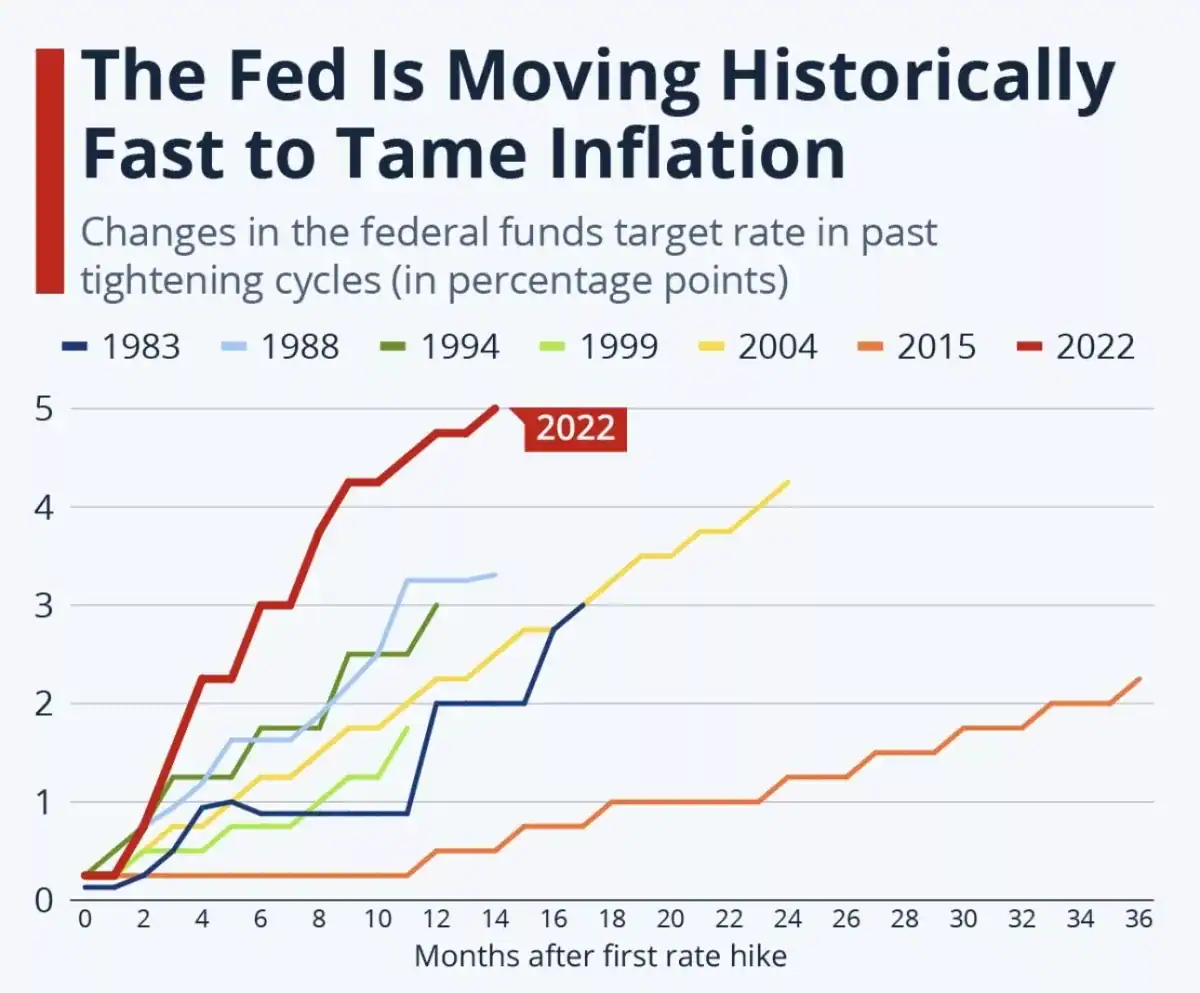
Interest rates are one of the biggest factors. Gold and silver do not pay interest or dividends, so when rates rise, yield-bearing assets become more competitive. When rates fall or stay low, metals tend to attract more capital. That dynamic has shaped gold’s price behavior through multiple cycles.
Inflation is the other major driver. Both metals have historically served as stores of value during inflationary periods. When purchasing power erodes, demand for physical metals tends to increase – which is part of why prices have been elevated in recent years.
Geopolitical stress also matters. Crises push buyers toward safe-haven assets quickly, which means prices often spike during events rather than before them. The buyers who got the best prices were usually those who purchased during calmer periods ahead of uncertainty, not those chasing spikes during a crisis.
Central bank activity has been a structural support for gold in particular. Central banks around the world have been net buyers of gold for several years running, adding consistent demand that underpins price floors regardless of what retail investors are doing.
Silver has an additional layer: it is an industrial metal as well as a precious one. Demand from solar panels, electronics, and medical applications means silver prices can also respond to manufacturing cycles and technology trends – not just investor sentiment.
Best Time to Buy Gold Silver: Three Practical Frameworks
There is no single “best day” to buy. But there are three frameworks that help buyers make smarter decisions.
1. Seasonal Dip Buying
If your goal is to buy generic bullion at the lowest possible cost per ounce, watching for seasonal softness in early January, spring, and midsummer gives you a reasonable starting point. These windows do not always materialize – some years, prices move higher all year long – but over time, patient buyers who watch for dips tend to get better average entry prices than those who buy impulsively during peaks.
2. Dollar-Cost Averaging
This is the strategy most consistently recommended for long-term buyers. Instead of trying to time a perfect bottom, you buy a fixed dollar amount of metal on a regular schedule – monthly or quarterly. Over time, you buy more ounces when prices are low and fewer when prices are high. The math works in your favor, and you avoid the psychological trap of waiting forever for a price that may never arrive.
3. Premium-Aware Buying
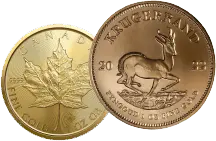
Spot price is only half the equation. Physical bullion always sells above spot because of fabrication, refining, shipping, and dealer margin. A [1 oz Gold American Eagle] typically carries a higher premium than a [1 oz gold bar] because of its collectibility and legal tender status. When dealer demand is high – during a crisis or a major price spike – premiums can widen significantly. Buying during calmer periods often means lower premiums, which can matter as much as spot price for your total cost per ounce.
Bullion vs. Numismatic Coins: Timing Works Differently
For bullion stackers, timing is primarily about spot price and premiums. For coin collectors, the picture is different.
Numismatic coins – coins valued for rarity, condition, mint mark, or historical significance – do not track spot price the same way a generic silver round does. A rare date Morgan dollar or a high-grade Walking Liberty half dollar can be worth multiples of its melt value regardless of what silver is doing. For those pieces, the “best time to buy” is when the right coin at the right grade becomes available at a fair price. Waiting for a silver dip may not help you if the coin you want is already scarce.
Bullion coins like the 2025 Silver American Eagle or a Canadian Silver Maple Leaf sit closer to spot price and respond more directly to market timing. These are the products where seasonal dip strategies and premium awareness make the biggest practical difference.
Precious Metals Timing: Key Considerations by Year
2020
Pandemic demand spike Gold surged past $2,000/oz for the first time; premiums on silver coins spiked sharply
2022
Inflation and rate hike cycle Gold held elevated levels; silver more volatile; central bank buying accelerated
2023
Elevated spot prices Gold and silver both historically high; premium awareness more important than ever
2025
Current market Gold near $4,529/oz; silver near $77/oz at time of writing; buyer strategy matters
The Gold-to-Silver Ratio: A Useful Timing Tool
The gold-to-silver ratio tells you how many ounces of silver it takes to buy one ounce of gold. At current prices – gold around $4,529 and silver around $77 at the time of writing – the ratio sits near 59:1.
Historically, when the ratio is high (silver is cheap relative to gold), some buyers shift purchases toward silver. When the ratio is low, gold looks relatively more attractive. This is not a precise timing tool, but it helps frame relative value when you are choosing between the two metals.
Silver’s higher volatility means it can outperform gold dramatically during strong bull markets – and underperform just as dramatically during downturns. Buyers who understand that dynamic can position accordingly rather than being surprised by it.
Common Misconceptions About Buying Timing
Timing Myths vs. Reality
Pros
✓ Seasonal patterns do exist and can improve average entry prices over time
✓ Buying before crises typically beats chasing prices during panic demand
✓ Lower premiums during calm markets can matter as much as spot price
Cons
✗ There is no single “best month” that works reliably every year
✗ A falling spot price does not automatically mean a good deal if premiums are high
✗ Gold and silver do not always move together – silver is far more volatile
✗ Seasonality is a tendency, not a rule; macro forces can override it in any year
Selling Timing: The Other Half of the Equation
Smart buying and smart selling are connected. If you buy during a seasonal dip and prices rise later in the year, that is a natural opportunity to consider whether selling some of your holdings makes sense – especially if you are rebalancing a portfolio or funding another purchase.
Selling silver online and selling gold are both straightforward processes when you work with a reputable dealer. Knowing your exit options before you buy gives you more flexibility and confidence in your timing decisions.
For those who cannot visit a dealer in person, mail-in services make it easy to sell from anywhere in the country. Accurate Precious Metals offers a mail-in selling option with free insured shipping, so geography is not a barrier to getting a competitive offer on your metals.
Gold and Silver IRAs: Timing for Long-Term Investors
For retirement investors, the “best time to buy gold and silver” takes on a longer time horizon. A Gold or Silver IRA allows you to hold physical metals inside a tax-advantaged retirement account, which changes how you think about short-term price swings.
Dollar-cost averaging works especially well in an IRA context because regular contributions smooth out entry prices over years, not just months. The goal is not to call a market bottom – it is to build a position in physical metals that holds value across economic cycles. IRA and long-term buying considerations are worth reviewing if retirement allocation is part of your strategy.
Why Accurate Precious Metals Is the Right Place to Buy
Timing your purchase well only pays off if you are buying from a dealer you can trust. Accurate Precious Metals has been operating since 2012 and has earned more than 1,000 five-star customer reviews – a track record that reflects consistent, fair dealing with buyers and sellers across the country.
Based in Salem, Oregon, Accurate Precious Metals carries one of the broadest inventories available from a single dealer: gold, silver, platinum, and palladium in coins, bars, and bullion form, plus diamonds and jewelry. Pricing is updated to reflect live spot prices, so you always know what you are paying relative to the current market. As an NGC Authorized Dealer, Accurate Precious Metals also offers coin grading services for collectors who want professional assessment of their numismatic pieces.
For buyers outside Oregon, nationwide shipping with insured delivery means you can access competitive pricing and a wide product selection without leaving home. For local customers in the Salem area, in-person service is available at the physical location – a real advantage when you want to see what you are buying before you commit.
Whether you are looking for a 2025 Gold American Eagle, a 1 oz silver round, or a 1/10 oz Gold Maple Leaf, the inventory is there. And if you are thinking about selling – whether it is bullion, jewelry, scrap, or a coin collection – Accurate Precious Metals buys all of it. Local customers can bring items in directly. Anyone in the US can use the mail-in service for a fast, competitive offer with free insured shipping.
For a broader overview of how to approach buying metals strategically, the buying gold and silver guide on the Accurate Precious Metals site is a solid starting point.
💡 Tip: The best entry price means nothing if you buy from a dealer with high premiums or poor service. Work with a dealer who has the reviews, the inventory, and the track record to back up their pricing.
Accurate Precious Metals is not a pawn shop. It is a specialized precious metals dealer built around one thing: helping buyers and sellers get fair value on physical metals. Call (503) 400-5608 or visit AccuratePMR.com to see current inventory and pricing.
Frequently Asked Questions
What is the best time of year to buy gold and silver?
Historically, early January, March, late April, and the summer months (June through August) have sometimes offered softer prices and lower premiums. These are tendencies, not rules – macro conditions can override seasonal patterns in any given year. Dollar-cost averaging over time is a more reliable strategy than trying to hit a single perfect entry point.
Does the gold-to-silver ratio help with timing?
It can. When the ratio is high, silver is cheap relative to gold, which leads some buyers to favor silver. When the ratio is low, gold looks relatively more attractive. At current prices – gold near $4,529/oz and silver near $77/oz at the time of writing – the ratio is around 59:1. Use it as one data point among several, not as a standalone signal.
Should I buy bullion coins or bars for the best price?
Bars typically carry lower premiums over spot than coins, making them more cost-efficient for pure bullion stacking. Coins like Silver Eagles or Gold Maple Leafs carry higher premiums but offer better liquidity and recognizability for resale. The right choice depends on your goals – stacking for value, collecting, or portfolio diversification.
How do premiums affect my buying decision?
Premiums are the amount you pay above spot price for physical metal. During high-demand periods, premiums can widen significantly – meaning even if spot price drops, your actual cost per ounce may not. Buying during calmer market periods often means lower premiums, which can be just as important as the spot price itself.
Can I sell my gold and silver to Accurate Precious Metals?
Yes. Accurate Precious Metals buys bullion, coins, jewelry, scrap, silverware, and more. Local customers in the Salem, Oregon area can bring items in directly. Customers anywhere in the US can use the mail-in service at AccuratePMR.com for free insured shipping and fast payment.
Is a Gold IRA a good way to time a long-term purchase?
A Gold or Silver IRA is designed for long-term wealth preservation, not short-term timing. Dollar-cost averaging with regular contributions is the most practical approach for IRA investors. The tax advantages of an IRA can compound over time regardless of short-term price swings.
What is the current spot price of gold and silver?
At the time of writing, gold is approximately $4,529 per ounce and silver is approximately $77 per ounce. Spot prices change constantly – check the live price pages at AccuratePMR.com for the most current figures before making any purchase.
Make the smart choice — invest with Accurate Precious Metals
Whether you are buying bullion for the first time or adding to a long-term position, our team offers expert guidance, transparent pricing, and a reliable buyback program.