

Silver Spot Prices
LIVE
Silver Coin Values
24hrs

2024 Chinese Silver Panda – 30 g
$49.11

1 oz Silver Round – Morgan Dollar

1 oz Silver Britannia Coin 2024

1 oz Silver Australian Kangaroo Coin 2024

1 oz Austrian Philharmonic Silver 2024

1 oz Silver South African Krugerrand Coin (Random Year)
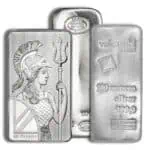
100 oz Silver Bar (Various Mint)

1 oz Silver Round (Various Mint)
$65.92

10 oz Silver Bar (Various Mint) – IRA Eligible
1 oz American Silver Eagle 2023
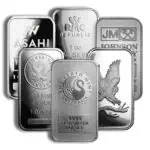
1 oz Silver Bars (Various Mint)
$63.92
Gold Ratio & Silver Spot Prices
Gold to silver ratio
Per ounce
$[pg_metal_price_ajax metal=”silver” weight_unit=”oz” purity=”.99999″ markup1=”10″ type=”ask” decimals=”2″ auto_update=”20″]
Per gram
$[pg_metal_price_ajax metal=”silver” weight_unit=”grams” purity=”.99999″ markup1=”10″ type=”ask” decimals=”2″ auto_update=”20″]
Per kilo
$[pg_metal_price_ajax metal=”silver” weight_unit=”kgs” purity=”.99999″ markup1=”10″ type=”ask” decimals=”2″ auto_update=”20″]
What is the spot price of silver?
The spot price of silver represents the current market rate for buying or selling one ounce of silver. This price fluctuates constantly, influenced by market conditions and events, so staying informed is crucial. Silver prices are quoted per troy ounce but can be converted to any quantity needed. Globally standardized, most silver markets use live prices in U.S. dollars, ensuring a uniform price per ounce worldwide.
Silver spot price FAQ
Why Do Investors Buy Physical Silver
Silver is a precious metal with a finite supply, ensuring its consistent demand across various industries, including healthcare, automotive, and energy. Its scarcity and versatility make it a valuable asset. Additionally, physical silver eliminates counterparty risk—the possibility that another party will fail to uphold their contractual obligations—making it a secure investment. Unlike financial assets tied to institutions, holding physical silver provides a hedge against worst-case scenarios and serves as a multi-purpose investment for diverse strategies.
Silver Price History
Silver has experienced significant price fluctuations over the decades. During the 1990s, silver traded around $5 per troy ounce. From the early 2000s onward, prices began to climb, reaching $48.70 in 2011 and $49.45 in 1980 during periods of economic turmoil. The 1980 spike was driven by an attempt to corner the silver market, which led to regulatory reforms to prevent similar events. Adjusted for inflation, the 1980 high would equate to $184.64 in today’s dollars, indicating silver’s potential upside. Recently, silver prices have rallied above $30 per ounce in 2024, marking a ten-year high and following gold’s upward trends.
Using All-Time Highs for Timing
Sophisticated investors often use historical price highs to guide their buying or selling decisions. The all-time high of $49.45 in 1980, though influenced by market manipulation, and the 2011 peak of $48.70 serve as benchmarks for silver’s potential value. Adjusting these figures for inflation suggests even greater potential: $184.64 for 1980 and $66.61 for 2011 in today’s dollars. These insights help investors gauge silver’s performance during crises versus normal supply-demand imbalances.
Could Silver Reach $100, $300, or $1,000 Per Ounce?
While predictions of skyrocketing silver prices are common in online discussions, they have yet to materialize. However, there are strong reasons to invest in silver: it is a tangible asset with no counterparty risk, its value has increased nearly 600% since the 1990s, and its scarcity ensures lasting demand. Investors should conduct thorough research and invest wisely to capitalize on silver’s long-term potential.
Factors That Influence Silver Prices
Silver prices are shaped by several factors:
- Macroeconomic Trends: Inflation rates, interest rates, and global economic growth significantly impact prices.
- Market Sentiment: Geopolitical events and investor demand for safe-haven assets can cause rapid price fluctuations.
- Industrial Demand: Silver’s use in electronics and green technologies drives demand.
- Mining Production: Supply levels depend on mining output and geopolitical stability in major producing regions.
For example, dovish comments from the Federal Reserve in late November 2023 caused treasury yields to drop and silver prices to surge by over 4% within a week.
Are Physical Silver Investments Subject to Taxes?
Investors often wonder about the tax implications of purchasing physical silver. The taxation of silver bullion can vary based on multiple factors, primarily depending on where you live and buy the silver.
Sales Tax on Silver Bullion
- State-Specific Regulations: In the United States, some states impose a sales tax on silver bullion purchases. The percentage and applicability of this tax can differ dramatically from one state to another. Therefore, it’s essential to check the specific tax regulations in your state.
- Use Tax: If your state has a use tax, this might apply when you purchase silver from an out-of-state dealer. This tax is typically equivalent to the sales tax rate in your state and is intended to capture revenue from purchases made across state lines.
Federal and Capital Gains Tax
In addition to sales or use tax, investors might also face other tax obligations:
- Capital Gains Tax: When you sell your silver for a profit, federal capital gains tax regulations could apply. Silver is often classified as a collectible by the Internal Revenue Service, and gains from selling may be taxed at a higher rate than other investment types.
Tips for Investors
- Research Thoroughly: Always cross-reference with your state’s tax regulations to ensure compliance. Websites for state tax departments or trusted investment guides can provide the most accurate information.
- Consult a Professional: To navigate the complex tax landscape, consulting a tax professional or financial advisor can be extremely beneficial for tailored advice based on your specific circumstances.
By staying informed about these taxes, you can make more strategic decisions regarding your silver investments.
How Is the Silver Spot Price Determined?
The silver spot price reflects the current market value for immediate delivery and is primarily determined through commodity exchanges like COMEX (Commodity Exchange). Prices result from continuous auctions where buyers and sellers trade futures contracts based on supply-demand dynamics, geopolitical events, economic indicators, and investor sentiment. Other global exchanges like the LBMA (London Bullion Market Association) also contribute to determining spot prices.
At Accurate Precious Metals, we combine the best of both worlds: the convenience and competitive pricing of an online store with the personalized service of a family-owned business in our physical showroom. When comparing silver pricing between local coin shops and online dealers, it’s important to understand how operational structures influence pricing strategies.
Understanding Troy Ounces and Kilograms in Silver
When dealing with precious metals like silver, it’s crucial to understand the conversion between troy ounces and kilograms. A kilogram of silver is equivalent to approximately 32.151 troy ounces.
Why Use Troy Ounces?
The troy ounce is a standard unit of measurement in the precious metals market, which is slightly heavier than the more commonly used avoirdupois ounce. This difference is essential as it ensures consistency across global trading platforms.
Quick Conversion
To summarize:
- 1 kilogram of silver = 32.151 troy ounces
Having this conversion in mind can be particularly useful when buying or selling silver, ensuring you make informed decisions.
How Many Grams are in a Troy Ounce of Silver?
If you’re delving into precious metals, understanding measurement units is crucial. Silver, along with other precious metals, is typically measured in troy ounces rather than the standard ounces we use daily for everything from groceries to letters.
A troy ounce has a weight of approximately 31.1035 grams. This is slightly heavier than the common avoirdupois ounce (found in your kitchen scale), which is equivalent to 28.3495 grams.
The distinction is critical for investors, collectors, and anyone dealing in precious metals. Here’s a quick comparison to clarify:
- Troy Ounce: 31.1035 grams
- Avoirdupois Ounce: 28.3495 grams
Remember, this difference could significantly impact the valuation of silver, especially when dealing in larger quantities. So, knowing the precise conversion can make a notable difference in your transactions.
The Cost Factor
- Local Coin Shops: Traditional brick-and-mortar coin shops often face significant overhead expenses such as rent, utilities, and staff salaries. To cover these costs, they may apply higher markups on their silver products.
- Online Dealers: With fewer overhead expenses, online dealers can typically offer silver at lower prices. Their streamlined operations allow for more competitive pricing, making them a popular choice for budget-conscious buyers.
Profit Margins and Dealer Premiums
Both local shops and online dealers aim to achieve a profit margin, but the difference lies in their operating costs. Online dealers generally have smaller dealer premiums due to reduced expenses, which often translates to better prices for customers.
Choosing the Best Option
- Convenience: Local coin shops provide immediate access to your silver and offer face-to-face interactions with knowledgeable staff. This hands-on experience can be invaluable for new buyers or those seeking personalized advice.
- Price Savings: Online dealers typically excel in offering lower prices due to their cost-efficient operations. However, it’s essential to factor in shipping fees and ensure you’re buying from a trusted source.
At Accurate Precious Metals, we bridge the gap between these two options. Our customers enjoy competitive online pricing paired with the exceptional customer service of a family-owned business. Whether you shop online or visit our showroom, you’ll receive quality products and trusted guidance every step of the way.
Understanding the COMEX and NYMEX Exchanges
If you’re curious about where precious metals like gold, silver, platinum, and palladium are traded, you’ll want to know about the COMEX and NYMEX exchanges.
The COMEX Exchange
COMEX, short for the Commodity Exchange, is the leading platform for trading gold and silver futures contracts. When you hear about substantial moves in the gold or silver market, they’re often linked back to activities on the COMEX. Traders engage in standard gold contracts, which typically involve 100 troy ounces per contract. Similarly, silver is traded in contracts of 5,000 troy ounces.
The NYMEX Exchange
NYMEX stands for the New York Mercantile Exchange, and it’s the primary hub for trading futures contracts of other valuable metals, specifically platinum and palladium. On the NYMEX, you’ll find that standard contracts for platinum are set at 50 troy ounces, while palladium contracts are for 100 troy ounces.
Together, these exchanges form a critical part of the global framework for commodities trading, ensuring price discovery and risk management for traders and investors worldwide. Whether you’re a financial enthusiast or a professional trader, understanding how these exchanges operate can provide valuable insights into the precious metals markets.
How Silver Futures Influence Spot Prices
Silver futures are contracts obligating buyers or sellers to trade silver at a set future date and price. These contracts allow hedging against price volatility or speculative trading but differ from spot prices due to factors like storage costs and market expectations. The relationship between spot and futures prices—whether in contango or backwardation—provides insights into market sentiment.
Why Are There Differences Between Spot and Futures Prices?
Contango occurs when futures prices exceed spot prices due to storage costs or expectations of higher future demand. Conversely, backwardation happens when futures prices are lower than spot prices due to anticipated lower demand or higher supply. These dynamics influence trading strategies and reflect broader market conditions.
How to Trade the Gold-to-Silver Ratio
The gold-to-silver ratio measures how much silver is needed to buy one ounce of gold. A higher ratio indicates undervalued silver relative to gold, while a lower ratio suggests favorability for gold investments. Investors can use this ratio strategically by trading between the two metals based on relative valuations.
Why Is Silver Used as a Store of Wealth?
Silver has historically served as a currency and store of wealth during hyperinflationary crises when fiat currencies lose value rapidly. In cases like Zimbabwe in the late 2000s or Venezuela in the mid-2010s, individuals turned to silver as a stable asset for bartering goods such as food and medicine. Even during extreme economic instability, silver retains its intrinsic value, making it an excellent hedge against currency devaluation.
The Green Revolution and Silver’s Industrial Uses
Silver plays a critical role in green technologies such as solar panels (photovoltaics) and electric vehicles (EVs). Between 2020 and 2023, solar demand consumed over 91% of the increase in global silver supply. In addition to solar panels requiring significant amounts of silver annually—forecasted at 161 million ounces in 2023—EV production also demands more silver than traditional internal combustion engine vehicles (ICE). As green initiatives expand globally, demand for silver is expected to outpace supply significantly.
In addition to solar energy systems, EV adoption is driving further consumption of silver due to its use in vehicle components and charging infrastructure development.
Global Silver Pricing: A Comprehensive Overview
Silver prices can fluctuate significantly across the globe, influenced by local demand, currency exchange rates, and each market’s economic conditions. Below is a regional guide to understanding how silver is priced across various countries:
Middle East
- United Arab Emirates: Known for its bustling gold and silver markets, prices here can be influenced by oil wealth and investment demand.
Asia
- India & China: Both countries have a strong cultural affiliation with silver, often impacting local pricing due to high consumer demand.
- Japan & South Korea: These tech-savvy nations see silver prices influenced by industrial demand, given Silver’s significant role in electronics.
- Singapore & Malaysia: As key trading hubs, the silver market is dynamic, with prices competitive and closely following international trends.
Europe
- United Kingdom & Germany: Prices here are closely aligned with the London Bullion Market, impacting not only local prices but also influencing surrounding European countries.
- Switzerland & Sweden: Known for their financial stability, these countries often see silver prices that reflect both safe-haven and industrial demand.
The Americas
- United States: As one of the largest economies, U.S. Silver prices often set the tone for global markets, with significant influences from investment and industrial sectors.
- Canada & Mexico: Silver mining and strong economic ties to the U.S. Impact local pricing dynamics.
Oceania
- Australia & New Zealand: Strong mining operations in Australia influence the regional silver market, while New Zealand follows closely due to economic ties.
Africa
- South Africa: Silver prices here are often impacted by the mining industry and local demand for precious metals as investment vehicles.
Understanding these regional nuances can be essential for investors and enthusiasts wanting to capitalize on the precious metal market. Prices can vary not only daily but even within markets during the same day, highlighting the importance of staying informed and leveraging reliable resources to track these fluctuations.
Why You Should Never Attempt to Buy Silver Below Spot
If someone offers silver below its spot price—the current market value—it is likely counterfeit or fraudulent. The spot price reflects the true value of the metal; premiums cover essential costs across the supply chain from mining to retailing. Without these premiums, there would be no functioning market for precious metals like silver.
Accurate Precious Metals Refineries ensures that investors receive authentic products at fair prices while avoiding scams associated with below-spot offers—reinforcing its status as the best place to buy precious metals securely and reliably!
When purchasing items like bullion, you might notice a price difference depending on your payment method. This is often due to the varying fees associated with different financial transactions. Paying via bank wire or other cash methods, such as personal checks or money orders, typically incurs lower fees because these methods bypass the credit card networks, which charge merchant processing fees.
On the other hand, when you use a credit or debit card, sellers usually face additional costs from credit card companies. To offset these expenses, dealers often impose a surcharge, which can result in higher prices for card users compared to those paying by bank wire or similar methods. Simply put, buyers paying by cash or equivalent forms can often enjoy discounts because the transaction costs are minimized.
In essence, choosing a payment method like ACH can save you money on your purchase by avoiding the extra fees associated with credit card payments.