

Understanding 925 silver resale value variations in everyday pieces

Disclaimer
Accurate Precious Metals is not a financial advisor. We encourage everyone to consult a financial advisor or CPA. They can help determine the best investment strategies. Our mission is to provide educational content about precious metals. Accurate Precious Metals is committed to transparency and reliability. They offer top-tier precious metal products and information.
This information is subject to change due to market fluctuations, world events, and factors beyond our control. Additionally, the content may not fully reflect our company’s values, as personnel, staff, and authorship may change over time.
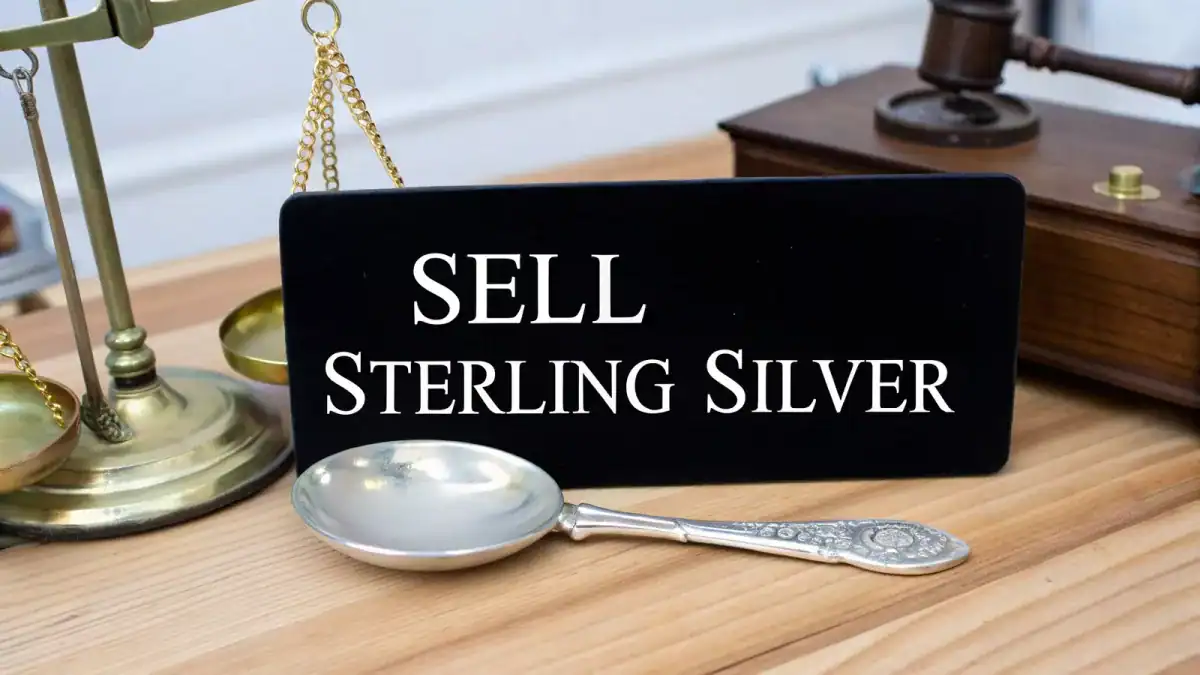
Understanding 925 silver resale value variations is essential for anyone buying, selling, or inheriting sterling silver items. Two pieces stamped “.925” can sit in the same drawer, weigh the same amount, and still sell for completely different prices. The reason is simple: silver purity sets a floor, but condition, maker, age, and where you sell all determine the real number.
This guide breaks down every factor that drives those differences, shows you how to estimate what your sterling silver is actually worth, and explains how to get the best offer when you decide to sell.
What the 925 Stamp Actually Tells You
The “925” mark means the item is sterling silver – an alloy that is 92.5% silver by weight, with the remaining 7.5% typically copper. Copper is added because pure silver is too soft for jewelry, flatware, and hollowware. You may also see the word “Sterling,” the mark “.925,” or the fraction “925/1000” stamped on the piece. All three mean the same thing.
What the stamp does not tell you is the item’s market value. It only confirms silver content. A machine-stamped sterling bangle from a discount retailer and a hand-finished piece by a recognized silversmith both carry the same mark, but they occupy entirely different markets.
Some countries use lower silver standards – 800 or 835, for example – which contain less silver than sterling. Those items are not the same as 925 silver and generally yield lower melt values.
Melt Value vs. Resale Value: The Core Distinction
Melt value is what the silver inside an item is worth if it were melted down and refined. Resale value is what someone will actually pay for the object. These two numbers are often very different.
The formula for melt value is straightforward:
Melt value = item weight (troy oz) x silver spot price x 0.925
At the time of writing, silver spot is $69 per troy ounce. That means one troy ounce of sterling silver contains about $63.83 worth of silver at the time of writing. A 2-troy-ounce sterling bracelet would have a metal floor of roughly $127.65 at the time of writing – before any premium or discount for condition, maker, or demand.
Resale value can land in three places relative to that floor:
- Below melt – damaged, heavily worn, or sold to a low-paying buyer
- Near melt – common, mass-produced pieces where silver content is the main draw
- Above melt – collectible, signed, antique, or part of a desirable set
Silver Scrap Value Calculator – Accurate Precious Metals Refineries
Knowing which category your item falls into before you sell is the difference between leaving money on the table and getting a fair price.


How Brand and Maker Drive 925 Silver Resale Value Variations
Maker identity is one of the biggest drivers of price above melt. A sterling ring by Tiffany & Co. and an unbranded ring of identical weight both contain the same amount of silver, but the Tiffany piece sells for multiples of melt value because buyers pay for reputation, design heritage, and resale liquidity.
The same logic applies to antique American silversmiths, sought-after Danish modernist designers, and major flatware houses whose patterns remain in demand. Collectors and secondary market buyers actively search for specific names. That demand creates a premium that has nothing to do with the metal itself.
Unbranded or store-brand sterling, by contrast, usually trades at or near melt. There is no collector base chasing it, so buyers price it mostly on weight.
Sterling silver hallmarks are the starting point for identifying maker. Hallmarks can include a maker’s mark, a date letter, an assay office mark, and a purity mark – each stamped into the silver at the time of manufacture. Learning to read them, or having an expert do it, can reveal whether your piece has collector value beyond its weight.
Condition: The Factor Sellers Most Often Underestimate
Condition affects resale value more than most sellers expect. Scratches, dents, cracks, and repairs reduce value because buyers – especially collectors – want pieces they can use or resell without restoration work. Missing stones, broken clasps, or worn engraving all push an item closer to scrap pricing.
Monograms are a common issue with flatware and hollowware. A monogrammed serving set is harder to resell as a finished piece because most buyers do not want someone else’s initials. That reduces the buyer pool and often pushes the price toward melt.
Pieces in excellent, original condition can command meaningful premiums. A complete, unmonogrammed flatware set in a desirable pattern, stored in its original case, is worth substantially more than the same set with missing pieces and worn finishes.
Age, Rarity, and Pattern Desirability
Age alone does not add value. What matters is whether age coincides with scarcity and collector demand. A Victorian sterling calling card tray in excellent condition from a well-known English silversmith can sell for multiples of melt. A generic sterling ashtray from the same era may sell for scrap.
Flatware patterns illustrate this clearly. Some patterns produced by major American silver companies – Gorham, Reed & Barton, Wallace, and others – have active collector communities. Discontinued patterns in high demand can trade well above melt because buyers are assembling or completing sets and cannot simply order more. Common, still-available patterns trade much closer to silver content value.
The same principle applies to hollowware, decorative objects, and jewelry. Rarity creates pricing power. Mass production removes it.
Selling silverware for cash requires understanding which category your pieces fall into before accepting any offer. Researching the pattern name or maker’s mark before you sell can reveal whether you have a collectible on your hands or a straightforward scrap transaction.
Item Type Changes the Economics
Sterling silver shows up in many forms, and each attracts a different buyer base with different pricing logic.
| Item Type | Primary Buyer | Typical Pricing Driver |
|---|---|---|
| Jewelry | Fashion/luxury buyers, collectors | Design, brand, condition |
| Flatware | Collectors, estate buyers | Pattern, completeness, condition |
| Hollowware | Collectors, decorators | Maker, pattern, size, condition |
| Decorative objects | Collectors, dealers | Rarity, maker, aesthetic appeal |
| Scrap/broken pieces | Refiners, dealers | Weight and silver content only |
| Silver coins | Bullion investors, numismatists | Silver content, date, grade |
Jewelry buyers often pay for wearability and design. Flatware buyers care about pattern completeness – a partial set is worth less per piece than a complete one. Scrap buyers price almost entirely on weight. Knowing which buyer type your item appeals to helps you choose the right selling channel.
Who You Sell To Matters as Much as What You Have
The same sterling piece can receive very different offers depending on where you take it. A pawn shop prices for quick resale with wide margins. A refiner prices on metal content and processing cost. An antiques dealer prices based on what they think they can sell it for, which may be above or below what a specialist would offer. A collector buying directly may pay the most but is the hardest to reach.
This is why comparing offers is worth the time. An item with genuine collectible value sold to a scrap buyer will net you melt value at best. The same item sold through the right channel could bring significantly more.
Accurate Precious Metals has been buying sterling silver for over 12 years. We are a specialized precious metals dealer – not a pawn shop – and we assess items based on current spot prices and market demand. Our offers are competitive and reflect what the silver is actually worth in today’s market.
If you are local to Salem, Oregon, you can bring your sterling items in person for a same-day evaluation. If you are anywhere else in the United States, the mail-in service for sterling silver is a straightforward option: request a free insured shipping kit, send your items, and receive a competitive offer with fast payment. Over 1,000 five-star reviews reflect how consistently that process works for sellers across the country.
Common Misconceptions About 925 Silver Value
A few beliefs circulate widely and consistently cost sellers money.
“All 925 silver is basically the same.” Purity is identical, but market value is not. Two items with the same hallmark can have wildly different prices based on maker, condition, and demand.
“Heavy pieces are always worth more.” Weight increases melt value, but a heavy, common piece of sterling still sells near scrap if there is no collector demand. Weight and value are not the same thing.
“The stamp proves the value.” The 925 stamp confirms silver content. It says nothing about brand, condition, age, or collectibility. Those factors require separate evaluation.
“Polishing before selling helps.” For modern jewelry in good condition, light cleaning is fine. For antique or collectible pieces, aggressive polishing can reduce value by removing patina and detail that collectors prize.
“High spot prices mean it is always a good time to sell.” Spot price affects melt value directly. But collectible premiums move independently. A piece worth three times melt in a strong collector market does not suddenly become a better or worse sale just because silver spot moves.
How to Estimate What Your 925 Silver Is Worth
Start with the metal floor, then layer in the qualitative factors.
Use a kitchen scale or jeweler’s scale in troy ounces (1 troy oz = 31.1 grams). Postal scales work for rough estimates.
Multiply weight by the silver spot price ($69/oz at the time of writing), then multiply by 0.925. This is the metal floor.
Check for hallmarks, signatures, or manufacturer marks. Research the name – some makers command significant premiums.
Look for damage, repairs, missing parts, monograms, and surface wear. Excellent condition supports higher pricing.
Search completed auction listings for the same pattern, maker, or style. This shows what buyers have actually paid.
Match your item to the buyer most likely to value it correctly – collector, dealer, or refiner.
For pieces that may be antique, designer, or part of a rare pattern, a professional appraisal before selling is worth the cost. Selling a collectible as scrap because you did not know what you had is an avoidable mistake.
Understanding sterling silver value appraisal is a practical starting point if you want to learn how professionals evaluate 925 pieces before deciding where to sell.
Selling Your 925 Silver: Practical Next Steps
Whether you have a single bracelet or an entire flatware service, the process is the same: know what you have, know the metal floor, and find the right buyer.
Accurate Precious Metals buys all forms of sterling silver – jewelry, flatware, hollowware, decorative objects, and scrap – at competitive prices based on current spot rates. With more than a decade of experience and a nationwide reach, we handle everything from single pieces to large estate collections.
Salem, Oregon residents are welcome to visit our physical location for an in-person evaluation and same-day offer. Sellers anywhere in the US can use our sell sterling silver online mail-in process – free insured shipping, thorough evaluation by our team, and fast payment once you accept the offer. There is no obligation to accept, and the process is designed to be straightforward from start to finish.
If you want broader context on getting the most from any silver sale, the ultimate guide to selling silver covers strategies across all silver types and sale channels.
Frequently Asked Questions
Does the 925 stamp mean my silver is valuable?
The stamp confirms 92.5% silver content, which gives the piece a metal floor based on weight and spot price. Whether it is worth more than that depends on maker, condition, age, and buyer demand. The stamp alone does not determine market value.
How do I calculate the melt value of a 925 silver item?
Weigh the item in troy ounces, multiply by the current silver spot price, then multiply by 0.925. At the time of writing, with silver at $69/oz, one troy ounce of sterling silver contains about $63.83 in silver. Prices change daily, so check current spot before calculating.
Why would a pawn shop offer less than a precious metals dealer?
Pawn shops have different overhead, broader inventory, and typically price conservatively to leave room for retail markup. A specialized precious metals dealer like Accurate Precious Metals focuses on metal and market value, which often results in a more competitive offer for sterling silver.
Does antique sterling always sell for more than modern sterling?
Not automatically. Age adds value when it coincides with scarcity, a known maker, or strong collector demand. An unmarked antique piece in poor condition may still sell near scrap. Research the maker and pattern before assuming age equals premium.
Can I sell sterling silver by mail if I am not near Salem, Oregon?
Yes. Accurate Precious Metals offers a mail-in service with free insured shipping for sellers anywhere in the United States. You send the items, we evaluate them, and you receive an offer with fast payment upon acceptance.
What types of 925 silver does Accurate Precious Metals buy?
We buy jewelry, flatware, hollowware, decorative objects, broken or damaged pieces, and scrap sterling – as well as silver coins, bars, and bullion. Condition does not need to be perfect; we evaluate everything on its actual metal and market value.
Is over-polishing really a problem before selling?
For antique or collectible pieces, yes. Heavy polishing can remove hallmarks, flatten engraving, and strip the patina that collectors value. For modern pieces in everyday condition, light cleaning is generally fine. When in doubt, leave the piece as-is and let the buyer assess it.


