

When Did U.S. Quarters Stop Being Made of Silver?

Disclaimer
Accurate Precious Metals is not a financial advisor. We encourage everyone to consult a financial advisor or CPA. They can help determine the best investment strategies. Our mission is to provide educational content about precious metals. Accurate Precious Metals is committed to transparency and reliability. They offer top-tier precious metal products and information.
This information is subject to change due to market fluctuations, world events, and factors beyond our control. Additionally, the content may not fully reflect our company’s values, as personnel, staff, and authorship may change over time.
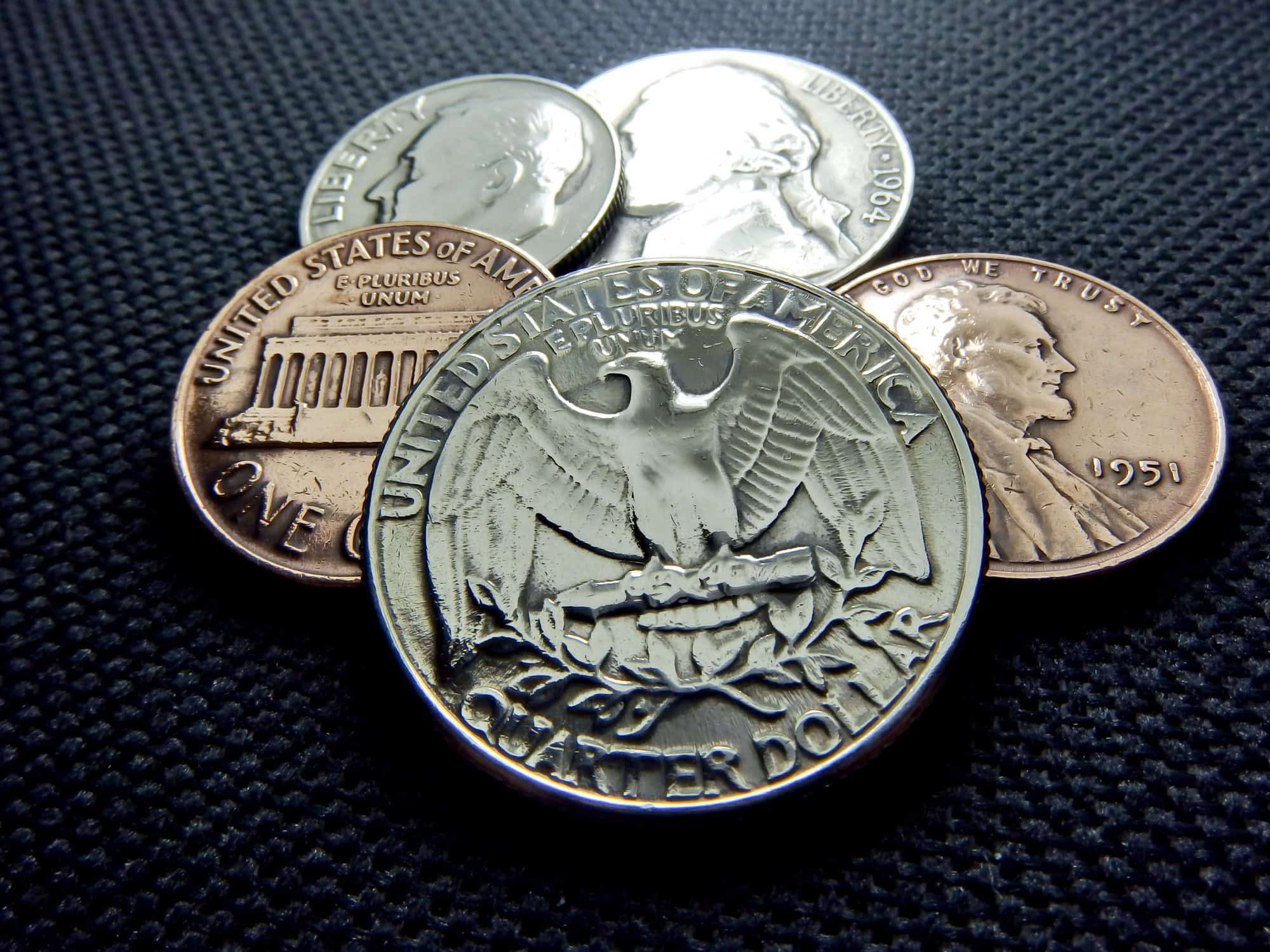
Quarters are among the most widely circulated U.S. coins, and for collectors and investors alike, silver quarters have a special appeal. While many Americans handle quarters every day, fewer realize that these coins were once composed predominantly of silver, making them both historically significant and intrinsically valuable. If you’ve ever wondered when quarters stopped being made from silver, or how to identify and benefit from pre-1965 silver quarters, understanding these facts is essential. From changes in metal composition to practical collector tips, exploring the history and value of silver quarters can reveal hidden treasures that might be sitting in your pocket change or family coin jar. Accurate Precious Metals Refineries is here to clarify the history, identification, and value of these classic American coins, and to help you leverage their worth in today’s precious metals market.
When Did U.S. Quarters Stop Being Made of Silver?
The composition of American coins has evolved over time, largely influenced by the changing prices and availability of precious metals. In the case of the U.S. quarter, a significant turning point came in 1965. Before this year, all standard circulation quarters were struck with a composition of 90% silver and 10% copper. However, due to rising silver prices, it became unsustainable for the U.S. Mint to continue producing coins from nearly pure silver. As a result, Congress passed the Coinage Act of 1965, officially ending the production of 90% silver quarters for general circulation.
Quarters minted in 1964 and earlier contain the valuable silver content so prized by collectors and investors today. Starting in 1965, the U.S. Mint switched to a copper-nickel clad composition—consisting of an inner core of pure copper sandwiched between two layers of copper-nickel alloy. This composition is still in use today for quarters intended for general circulation. Understanding this cutoff year is paramount for those interested in identifying and leveraging the intrinsic value of silver quarters.
For anyone wondering, “what year did quarters stop being silver?” the answer is simple: Quarters minted for general circulation stopped being made with 90% silver after 1964. Recognizing this division is foundational to separating valuable silver coins from their less valuable modern counterparts. Whether inherited, discovered in circulation, or purchased, pre-1965 quarters can often be worth much more than their 25-cent face value.
Historical Context: Why Did Silver Quarters End in 1964?
The shift away from silver in U.S. coinage was driven by multiple factors, with economic pressures carrying the greatest influence. In the early 1960s, silver demand soared due to industrial uses and the popularity of silver coins for hoarding and investment. As silver prices approached and threatened to exceed the face value of coins, citizens began stockpiling silver quarters, half dollars, and dimes. This phenomenon led to nationwide coin shortages.
To combat this crisis, Congress enacted the Coinage Act of 1965. This legislation eliminated silver from the dime and quarter denominations entirely, while allowing a reduced silver content (40%) in half dollars until 1970. The move to copper-nickel clad coinage not only preserved the availability of coins for commerce but also protected the U.S. Treasury from losses stemming from the metal content of its currency.
The transition was not immediate for all coins: 1964-dated quarters were actually produced into early 1966 as the U.S. Mint stockpiled enough new copper-nickel coins to meet demand. However, all quarters struck for general circulation from 1965 onwards contain no silver, marking 1964 as the final official year.


How to Recognize Silver Quarters
Identifying pre-1965 silver quarters is an invaluable skill for collectors, investors, and those eager to maximize the value of coins in their possession. Fortunately, there are several ways to distinguish 90% silver quarters from their later copper-nickel counterparts.
1. Check the Date
The simplest method is to look at the coin’s date. Any U.S. quarter with a date of 1964 or earlier is made of 90% silver. This includes designs such as the Washington quarter (1932–1964), Standing Liberty quarter (1916–1930), and Barber quarter (1892–1916). Quarters made in 1965 onwards (with the exception of certain special issues) contain no silver.
2. Examine the Coin’s Edge
Another reliable indicator is the coin’s edge. Silver quarters, especially those in circulated condition, will appear a consistent silver-white color across the edge. Conversely, copper-nickel clad quarters display a visible copper-colored center layer when viewed from the side—an immediate giveaway that the coin is not silver.
3. Weight and Sound Test
Silver quarters are slightly heavier than their modern counterparts (approx. 6.25 grams vs. 5.67 grams for clad coins). Additionally, silver coins emit a distinctive, high-pitched ring when gently tapped on a hard surface. While not definitive on its own, the “ping” test is a quick addition to your identification toolkit.
4. Design Differences and Collector Knowledge
Special designs before 1932, such as the Barber and Standing Liberty quarters, are always 90% silver. Familiarizing yourself with the differences between these and post-1964 Washington quarters can add nuanced expertise when sifting through collections, estate finds, or coin rolls purchased for searching.
- Look for dates and key design changes.
- Check for the presence or absence of a mintmark, which may impact rarity but not silver content.
- When in doubt, consult a reputable expert like Accurate Precious Metals Refineries for professional evaluation.
Valuing Pre-1965 Silver Quarters
Quarters minted before 1965 carry a significant value beyond their face worth, thanks to their silver content. A standard pre-1965 quarter contains roughly 0.18 troy ounces (or about 5.6 grams) of pure silver. The price of these coins fluctuates based on current silver market rates, coin condition, rarity, and demand among collectors.
Most circulated pre-1965 quarters are valued primarily for their “melt value”—the worth of their silver content should they be refined. On days when silver is priced at $25 per ounce, for example, the silver in a single old quarter could be worth around $4.50, substantially higher than its 25-cent face value. Rarer coins or those in better-than-average condition can command even higher premiums among numismatists.
Despite daily market fluctuations, silver quarters retain appeal as portable, tangible assets. Their recognition, divisibility, and government backing make them popular among precious metals investors and those seeking a hedge against inflation. However, realizing the true worth of your silver quarters depends on dealing with a trusted refinery like Accurate Precious Metals Refineries—you want not only fair pricing for their silver but also expert appraisal of numismatic value.
Why Sell Silver Quarters to a Precious Metals Refinery?
If you possess a collection of pre-1965 quarters, selling them can be an excellent way to unlock their value. While coin shops, online marketplaces, and private buyers all offer avenues for selling silver coins, working with a dedicated precious metals refinery offers a suite of tangible advantages.
Accurate Precious Metals Refineries provides transparent, real-time pricing based on current market values, ensuring you receive the highest possible return for your silver quarters. Refinery professionals can immediately assess silver content, check for potential numismatic premiums, and provide fair, competitive offers with no obligation. This is particularly important if you’re uncertain whether your coins are collectible rarities or common melt-value examples.
Another advantage is the security and professionalism provided by an established refinery. Accurate Precious Metals Refineries follows strict industry standards for testing, pricing, and transactions, giving clients peace of mind throughout the process. Unlike informal sales or auctions, you’re guaranteed a safe, confidential, and hassle-free experience.
- Get accurate appraisals—know exactly what you have and what it’s worth.
- Transparent transactions—no hidden fees or misleading practices.
- Immediate payout—walk out with cash or a check the same day.
- Mail-in options for nationwide clients—Accurate Precious Metals Refineries serves clients even outside the local area with secure, insured mail-in kits.
Whether you’re selling a handful of loose quarters or a large inherited collection, Accurate Precious Metals Refineries can help you maximize your coins’ value with honesty and expertise.
The Last Silver Quarters: Special Issues and Exceptions
While regular circulation quarters transitioned to copper-nickel in 1965, there are notable exceptions that can still confuse new collectors and sellers. Certain special edition coins, such as modern commemorative or proof quarters struck for collectors, have been composed of 90% silver into the present day.
Specifically, since 1992, the U.S. Mint has produced silver proof sets for collectors. These coins are not intended for circulation and are sold at a premium directly to coin enthusiasts. Silver proof quarters mirror their contemporary designs (such as the State Quarters, America the Beautiful series, and others), yet they contain 90% (or, since 2019, 99.9%) silver.
It’s important to note that these silver proof quarters are always clearly labeled as such when sold by the U.S. Mint, often come in special packaging, and are rarely encountered in everyday change. If you suspect you have a modern silver proof quarter, it’s best to consult with Accurate Precious Metals Refineries, who can confirm silver content and offer fair value.
For the vast majority of people searching for “what year did quarters stop being silver,” the main point to remember is that all quarters minted in 1964 or earlier for general circulation are 90% silver, with regular copper-nickel coins from 1965 forward.
Practical Tips for Finding and Selling Silver Quarters
Whether you’re a seasoned collector or a newcomer hoping to cash in on inherited coins, practical knowledge is key. Here are some step-by-step tips for identifying, sorting, and selling silver quarters for maximum profit.
Sorting and Identifying Silver Quarters
- Start with the date: Immediately separate all quarters with a date of 1964 or earlier.
- Check coin jars, piggy banks, old change, and inherited coin rolls—older coins often hide in these overlooked places.
- Look at the edge: Visually inspect for a solid silver edge, free of any copper line.
- Consult experts: If you’re unsure about a coin, take it to Accurate Precious Metals Refineries for fast, free identification and appraisal.
Selling Your Silver Quarters Securely
- Get a current quote: Precious metal prices change daily. Accurate Precious Metals Refineries offers up-to-the-minute values based on global silver prices.
- Evaluate for rarity: Some silver quarters, notably those in above-average condition or from rare dates, hold collectible premiums. Refineries with numismatic expertise can assess both metal and potential coin value.
- Take advantage of mail-in services: Not local? You can request a secure mail-in kit from Accurate Precious Metals Refineries to sell your silver quarters nationwide.
- Ask questions: A reputable refinery is happy to explain its process, answer your questions, and provide transparent documentation at every step.
Why Accurate Precious Metals Refineries Is the Trusted Choice for Silver Quarters
Choosing where to sell your silver quarters can have a significant impact on your overall financial return and satisfaction with the process. Accurate Precious Metals Refineries stands apart as the nation’s most competitive and trusted precious metals refinery, committed to honest, accurate evaluation and customer-focused service.
When you bring (or mail in!) your pre-1965 quarters, you benefit from top-tier expertise and up-front, fair offers. The team uses state-of-the-art testing and weighing equipment and follows industry best practices to ensure you receive the highest payment for your coins. With a reputation built on transparency, fairness, and customer loyalty, Accurate Precious Metals Refineries ensures every transaction is straightforward and rewarding.
Even if you’re unsure whether your coins are worth anything more than their face value, or if you suspect you may own rare or special issues, Accurate Precious Metals Refineries will provide free, no-obligation assessments. From a single coin to large collections, you’ll get personalized attention and straightforward advice—so you always make informed decisions about your precious metals.
For those outside the local area, secure mail-in options make it easy and risk-free to sell your silver quarters. With insured shipping, prompt payment, and exceptional customer support, Accurate Precious Metals Refineries is the clear leader for Americans looking to turn old coins into real value.
Frequently Asked Questions (FAQ)
How do I know if my quarters are made of silver?
The best way to determine if your quarter is made of silver is to check the date. All quarters with a date of 1964 or earlier are composed of 90% silver. Additionally, look for a solid silver edge and pay attention to the coin’s weight and sound. If you need expert assistance, Accurate Precious Metals Refineries offers free in-person evaluations and identification services for all types of U.S. coins.
What is the value of a pre-1965 silver quarter?
While the face value of these coins is just 25 cents, their silver content often makes them worth several dollars apiece, depending on current market prices. Some quarters can also fetch a premium for rarity or condition. Accurate Precious Metals Refineries provides fair, up-to-date quotes based on the current spot price of silver and will also consider any collectible value your coin may possess.
Is it better to sell my silver quarters to a refinery or a coin dealer?
Selling your silver quarters to a reputable refinery like Accurate Precious Metals Refineries ensures you receive full market value for both their silver content and potential numismatic merit. Refineries offer straightforward, transparent transactions and immediate payment, whereas other avenues may involve extra fees, commissions, or uncertainty regarding coin appraisal. For the most secure and competitive return, work directly with the experts at Accurate Precious Metals Refineries.
Can I sell silver quarters if I am not local to Accurate Precious Metals Refineries?
Absolutely. Accurate Precious Metals Refineries welcomes customers nationwide with a convenient mail-in program. Simply visit accuratepmr.com/we-buy/mail-in-your-jewelry/ to request a secure, insured shipping kit. Your coins will be appraised upon arrival, and you’ll receive a prompt, transparent payout.
Are all quarters before 1965 worth more than face value?
Nearly all pre-1965 U.S. quarters are valued above their face amount due to their silver content. While extremely worn or damaged coins may be worth less, the melt value of the silver typically results in a price several times face value. For an accurate, risk-free assessment and offer, bring your quarters to Accurate Precious Metals Refineries.
Sources
Unlock the Value of Your Silver Quarters with Accurate Precious Metals Refineries
If you have quarters minted in 1964 or earlier, you may be holding far more than just pocket change. Silver quarters are coveted for both their historical and intrinsic value. Let the professionals at Accurate Precious Metals Refineries help you identify, appraise, and unlock the true value of your coins. Visit our website to learn more, come to our trusted Salem location at 1855 Hawthorne AVE NE Salem 97303, request a secure mail-in kit at accuratepmr.com/we-buy/mail-in-your-jewelry/, or contact our team today. Experience fair pricing, expert service, and secure transactions every step of the way with Accurate Precious Metals Refineries—the nation’s leader in precious metals evaluation and purchase.


