

Selling Worn Damaged Silver Coins: What You Can Really Earn

Disclaimer
Accurate Precious Metals is not a financial advisor. We encourage everyone to consult a financial advisor or CPA. They can help determine the best investment strategies. Our mission is to provide educational content about precious metals. Accurate Precious Metals is committed to transparency and reliability. They offer top-tier precious metal products and information.
This information is subject to change due to market fluctuations, world events, and factors beyond our control. Additionally, the content may not fully reflect our company’s values, as personnel, staff, and authorship may change over time.
If you are selling worn damaged silver coins, the good news is that condition matters far less than most people expect – at least for common silver. Whether you have a handful of pre-1965 quarters or a bent Morgan dollar that has seen better days, there is almost always real money in those coins. Silver is trading at $60 per ounce at the time of writing, and even a heavily circulated coin still carries every ounce of its silver content.
The key is knowing what you actually have before you sell. Some worn coins are pure melt material. Others – despite looking rough – carry numismatic value that a scrap buyer will never pay you for. This guide walks through both scenarios so you can make the right call.
Live Silver Spot Price – Accurate Precious Metals Refineries
Why Condition Affects Worn Silver Coins Differently
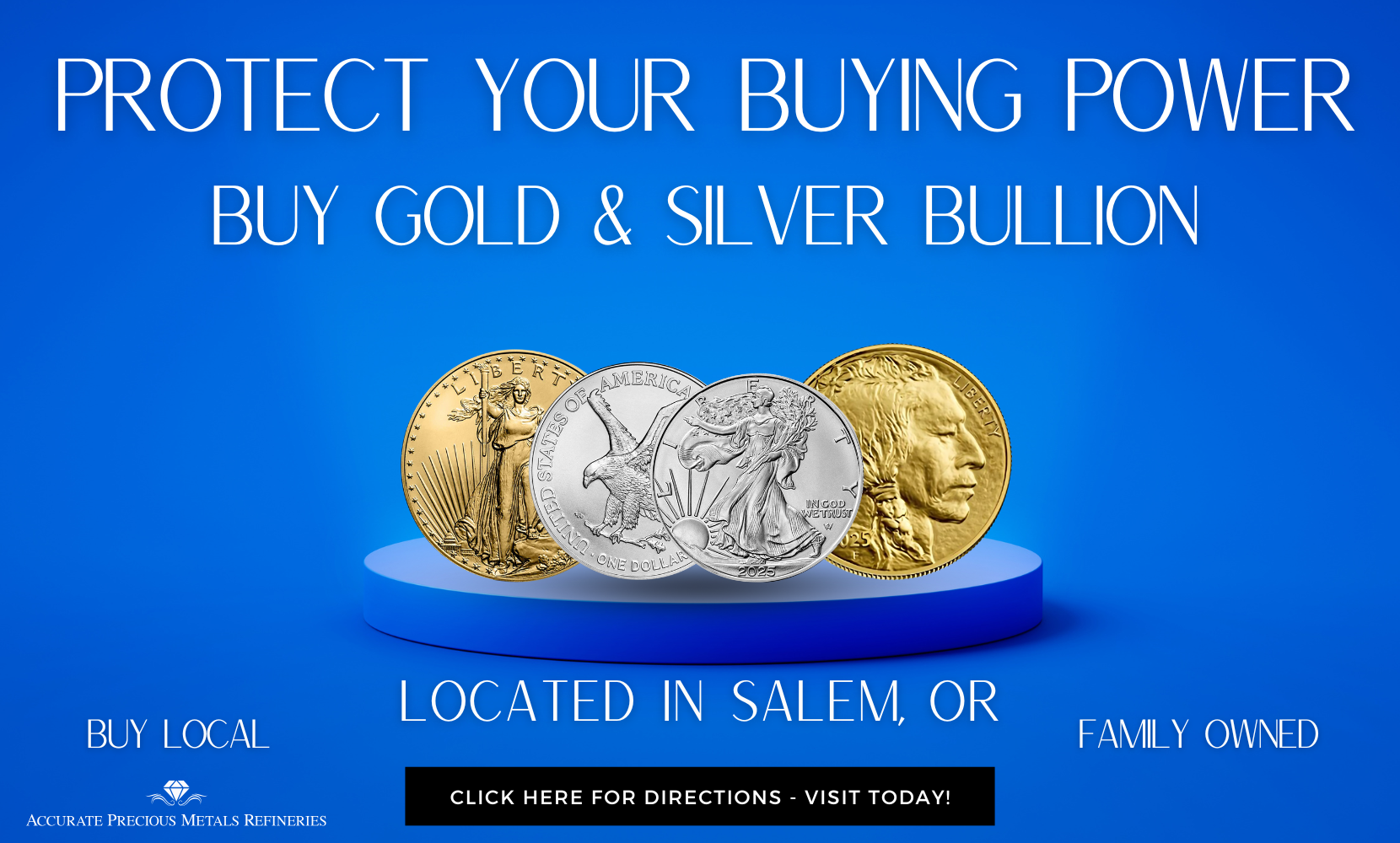
Not all silver coins are judged by the same standard. A bullion coin like a [Silver Eagle] or a silver round is bought primarily for its metal content. Scratches, bag marks, and light wear do not change the ounce of silver inside. Melt value stays the same.
Numismatic coins are a different story. Rare dates, low-mintage issues, and key-variety coins are graded on eye appeal, originality, and surface preservation. A cleaned or bent coin in that category can lose a substantial portion of its collector premium – sometimes most of it. The damage does not destroy the silver, but it does destroy what a collector was willing to pay above melt.
The practical takeaway: before you price anything, decide which category your coin falls into. Common coins go by weight. Rare coins need a closer look.
What “Junk Silver” Actually Means
The term sounds dismissive, but junk silver is a well-established category in the precious metals market. It refers to common U.S. circulating coins – mostly pre-1965 dimes, quarters, and half dollars – that were struck in 90% silver. They have no meaningful collector premium, but they trade actively near melt value.
Heavy wear is expected and accepted in junk silver. Buyers know these coins spent decades in circulation. A nearly smooth Roosevelt dime still contains roughly 0.0723 troy ounces of silver. At $60 per ounce at the time of writing, that is about $4.34 in melt value per dime – and buyers regularly pay close to that for bulk lots.


Calculating Melt Value for Selling Worn Damaged Silver Coins
The formula is simple: silver content in troy ounces multiplied by the current spot price. With silver at $60 per ounce at the time of writing, a standard 90% silver quarter contains about 0.1808 troy ounces of silver, putting its melt value near $10.85.
For a quick reference on common U.S. silver coins:
| Coin Type | Silver Content (troy oz) | Melt Value at $60/oz |
|---|---|---|
| Pre-1965 Dime (90%) | 0.0723 | ~$4.34 |
| Pre-1965 Quarter (90%) | 0.1808 | ~$10.85 |
| Pre-1965 Half Dollar (90%) | 0.3617 | ~$21.70 |
| Walking Liberty Half (90%) | 0.3617 | ~$21.70 |
| Morgan / Peace Dollar (90%) | 0.7734 | ~$46.40 |
| 1 oz Silver Eagle (.999) | 1.0000 | ~$60.00 |
Wear does not reduce these numbers unless the coin has actually lost metal – which almost never happens from normal circulation. What wear reduces is the premium a collector might pay on top of melt. For common coins, that premium is near zero anyway.
For a deeper look at how these numbers work, the silver coin melt value guide covers the calculation in detail.
When Damage Still Leaves Room for Numismatic Value
Some coins are worth researching before you sell them as scrap. A worn 1916-D Mercury dime, for example, is still a key date even if the details are nearly gone. The same applies to certain Morgan dollar dates, early Walking Liberty halves, and low-mintage Peace dollars. Rarity does not disappear because the coin looks rough.
PCGS notes that when wear prevents identifying a date, mintmark, or variety, a coin may be treated as “Authenticity Unverifiable” – meaning it gets no grade and no collector premium. But if the key details are still visible, even a heavily worn coin can carry significant value above melt.
The practical rule: if you think a coin might be rare, check the date and mintmark against a reference guide before selling it in a bulk lot. Mixing a key-date coin into a junk silver bag is one of the most common – and costly – mistakes sellers make.
Types of Damage and How Buyers Treat Them
Not all damage is equal. Here is how common types affect value:
- Normal wear – Expected on circulated coins. Has no effect on melt value and minimal effect on common coin prices.
- Scratches or bag marks – Reduce collector value on numismatic coins. Negligible effect on bullion or junk silver.
- Cleaning – Leaves hairlines and removes original surfaces. Collectors pay less; melt value is unchanged.
- Bending or holing – Treats the coin as mutilated in most grading contexts. Still has melt value; collector value is usually gone unless the coin is genuinely rare.
- Clipping or shaving – Actually removes silver. Reduces melt value proportionally. Buyers may test weight carefully.
- Counterfeit or altered – No silver, no melt value. Testing via XRF analysis or specific gravity is the standard check.
The bottom line: most damage affects collector premiums, not the silver itself. Only damage that physically removes metal – or indicates the coin is not silver at all – changes the melt value calculation.
Practical Steps for Selling Worn Damaged Silver Coins
Separate junk silver and common bullion from anything that might be a rare date or variety. Mixed lots usually get priced like the cheapest item in the group.
Look up any coin you are unsure about before selling. A worn coin with a key date is worth far more than its silver content.
Cleaning destroys collector value. Leave coins exactly as they are.
Accurate weight helps you estimate melt value and gives you a baseline for evaluating offers.
Local coin shops, bullion buyers, and mail-in dealers can all give you different numbers. Compare before committing.
Never mix a potentially valuable coin into a bulk junk silver lot. Sell it on its own where a buyer can evaluate it properly.
Some buyers pay straight silver content. Others will inspect for rare-date premiums. Know which you are dealing with.
Photos, weights, and receipts protect you if questions arise about authenticity or taxes later.
For more guidance on the full selling process, how to sell silver coins for cash covers the options in plain terms.
Where to Sell Worn or Damaged Silver Coins
Local coin shops are a good first stop for small lots of junk silver. Transactions are fast, you get paid on the spot, and there is no shipping involved. The tradeoff is that offers may be lower than what a specialist buyer would pay, especially for larger quantities.
Bullion buyers focus on metal content and tend to offer competitive prices for common silver. They are less useful if you have potentially numismatic coins mixed in.
Online auctions and marketplaces can work well for coins that might carry collector value. The audience is larger, but fees, shipping costs, and the time involved can eat into your return.
Professional grading or authentication is worth considering only if a coin is genuinely rare. Submitting a common worn coin for grading costs more than any premium you would recover. Reserve that step for coins where the date and mintmark suggest real collector demand.
Common Misconceptions About Selling Worn Silver
“Worn means worthless.” Wrong. A worn pre-1965 quarter still contains 0.1808 troy ounces of silver. At today’s prices, that is over $10 in metal value alone.
“Any silver coin deserves a collector premium.” Not true. The vast majority of circulated silver coins are common dates that trade near melt. Only a small fraction carry meaningful numismatic premiums.
“Cleaning helps.” It does not. Collectors consistently pay less for cleaned coins. The surface alteration is obvious under magnification, and it signals that the coin’s originality has been compromised.
“Spot price is what buyers pay.” Dealers buy below spot and sell above it – that is how the business works. The gap varies by dealer, lot size, and coin type. Comparing offers is the best way to find a fair price.
“Damage always destroys all value.” A bent or holed coin loses its collector premium in most cases, but the silver is still there. Rare coins can retain substantial value even with damage that would make a common coin worthless to collectors.
Selling Worn Silver Coins With Accurate Precious Metals
Accurate Precious Metals has been buying silver coins – worn, damaged, common, and rare – for over 12 years. Based in Salem, Oregon, the team has handled everything from bulk junk silver lots to key-date numismatic pieces that needed careful evaluation before pricing.
What sets Accurate Precious Metals apart from a pawn shop or a general resale store is specialization. Every coin is assessed for its actual silver content and, where relevant, its numismatic potential. Offers are competitive and based on current spot prices – not arbitrary lowball numbers.
If you are local to Salem, you are welcome to bring your coins in person. The team can evaluate them on the spot and give you a same-day offer. If you are anywhere else in the United States, the mail-in service makes the process just as straightforward. You request a kit, ship your coins with free insured delivery, and receive a fast offer backed by over 1,000 five-star customer reviews.
Whether you have a coffee can full of pre-1965 quarters or a single worn Morgan dollar you have been wondering about, selling your silver coins through Accurate Precious Metals gives you a direct path to a fair, informed offer.
Frequently Asked Questions
Does wear reduce the melt value of a silver coin?
No – wear affects collector value, not melt value. Melt value depends on silver content, which stays the same unless the coin has physically lost metal or is not silver at all.
What is junk silver and is it worth selling?
Junk silver refers to common pre-1965 U.S. coins struck in 90% silver. They trade near melt value and are actively bought by bullion dealers. With silver at $60 per ounce at the time of writing, even heavily worn examples carry real value.
Should I clean my worn silver coins before selling them?
No. Cleaning removes the original surface and leaves marks that collectors recognize immediately. A naturally worn coin almost always brings a better price than a polished one.
How do I know if my damaged coin has numismatic value?
Check the date and mintmark against a reference guide or consult a specialist. Key dates and rare varieties can carry significant premiums even in worn or damaged condition, as long as the identifying details are still visible.
Can I sell worn silver coins by mail?
Yes. Accurate Precious Metals offers a mail-in service with free insured shipping. You ship your coins, the team evaluates them, and you receive a competitive offer based on current silver spot prices.
What types of silver coins does Accurate Precious Metals buy?
All types – junk silver, bullion coins, numismatic coins, bent or holed coins, and common circulated silver. If it contains silver, it is worth getting an evaluation.
How is the offer price calculated for worn silver coins?
Offers are based on the coin's silver content and current spot prices, with adjustments for any numismatic value where applicable. The team evaluates each coin individually rather than applying a flat rate.

