

Selling Gold After Divorce: Turn Painful Split into Financial Momentum

Disclaimer
Accurate Precious Metals is not a financial advisor. We encourage everyone to consult a financial advisor or CPA. They can help determine the best investment strategies. Our mission is to provide educational content about precious metals. Accurate Precious Metals is committed to transparency and reliability. They offer top-tier precious metal products and information.
This information is subject to change due to market fluctuations, world events, and factors beyond our control. Additionally, the content may not fully reflect our company’s values, as personnel, staff, and authorship may change over time.
Selling gold after divorce is one of the most practical steps you can take to convert a painful chapter into real financial momentum. Whether you are holding a wedding ring, a shared gold chain, or even bullion you purchased together, understanding what you own – and what you are legally allowed to sell – is the starting point for everything that follows.
This guide walks through the legal questions, the valuation process, and the best ways to actually sell your gold so you walk away with a fair price and no complications.
Who Legally Owns the Gold? Separate vs. Marital Property
Before you list anything or walk into a buyer’s shop, you need to know whether the gold is yours to sell. This is not just a formality – selling marital property without consent can create real legal problems.
The core distinction is between separate property and marital property. Separate property is owned by one person. Marital property is owned by both spouses.
In the United States, a ring given as a gift to one spouse is generally considered that spouse’s separate property. That person can sell it without asking anyone’s permission. If, however, the gold was purchased jointly during the marriage – or is listed as jointly owned in financial records – it is marital property. Selling it without the other spouse’s consent or a court order can expose you to legal risk.
When there is any doubt, the right move is to consult a family law attorney before you sell. A short legal consultation is far cheaper than a dispute over proceeds.
Why People Sell Gold After Divorce
The reasons are practical and personal, often at the same time.
Financial rebuilding is the most common driver. Divorce is expensive. Legal fees, new housing costs, and the general disruption of splitting a household leave most people needing liquid cash. Selling gold turns a dormant asset into money you can actually use.
Emotional release is just as real. A wedding ring is a symbol. For many people, selling it is a deliberate act of closing a chapter and moving forward. There is nothing wrong with that.
Debt payoff is another major reason. Unlike a personal loan, selling gold produces obligation-free cash – no repayment schedule, no interest.
If you are not ready emotionally, that is fine too. Store the pieces securely and revisit the decision when you are ready. Rushing a sale rarely produces the best outcome.





Understanding What Your Gold Is Actually Worth
Not all gold is equal. The type of piece you have determines how it will be valued and where you should sell it.
| Type | What It Is | Value Approach |
|---|---|---|
| Solid Gold (14k, 18k, 24k) | Made entirely of gold alloy | Priced by weight and purity (karat) |
| Gold Plated | Thin gold layer over base metal | Very low – often not accepted by buyers |
| Gold Filled | Thicker layer than plated, not solid | Low – typically sold as scrap |
| Antique or Vintage | Older pieces with design value | May exceed melt price if rare or collectible |
| Diamond Jewelry | Gold with gemstones | Gold weight plus diamond quality assessment |
The most important concept here is melt value. When you sell gold jewelry to a buyer, you are almost always selling for the scrap or melt price – what the gold is worth based purely on its weight and purity. Retail markups are high when you buy jewelry. They evaporate when you sell it.
Most engagement and wedding rings sell for significantly less than their original purchase price. That is not a flaw in the system – it is just how the market works.
How to Calculate Melt Value
The formula is straightforward:
Melt Value = Spot Price x Weight in oz x Purity %
At the time of writing, gold spot is $4,176 per ounce. A 14k gold ring (58.5% pure) weighing one ounce would have a melt value of roughly $2,443. An 18k piece (75% pure) at the same weight comes to about $3,132.
Gold Scrap Value Calculator – Accurate Precious Metals Refineries
Spot prices change every trading day, so the number you calculate today may differ from what a buyer quotes you next week. Always check the current spot price before you walk into any transaction.
Selling Gold After Divorce: Choosing the Right Buyer
Where you sell matters almost as much as what you sell. Different buyers offer different trade-offs between speed, convenience, and price.
Pawn shops are fast, but they are not the right choice if getting a fair price matters to you. They factor in the cost and uncertainty of reselling the item, which means their offers are structurally lower than a dedicated precious metals buyer.
A reputable dealer – one that specializes in gold and precious metals – will price based on current spot and the actual metal content of your piece. That is a meaningfully different offer.
For people who want to sell my gold without driving across town, a mail-in service is a strong option. You ship your items in an insured kit, receive an offer based on current spot pricing, and get paid quickly. It removes the friction of finding a local buyer, especially if you live outside a major metro area.
Selling Shared Gold Pieces: A Step-by-Step Approach
Confirm whether each piece is separate or marital property. If jointly owned, get written agreement from your former spouse or a court order before proceeding.
Have the item professionally appraised. This gives you both the replacement value and an estimate of scrap or resale value. These numbers are often very different.
Clean the jewelry and gather any documentation you have – original receipts, certificates, appraisals, or divorce settlement language that addresses the pieces.
Look up the current gold spot price before approaching any buyer. At the time of writing, gold is at $4,176/oz. Knowing this number gives you a baseline to evaluate offers.
Get quotes from at least two or three sources. Local dealers, online buyers, and consignment shops can vary significantly in what they offer.
Use insured shipping for mail-in sales. For in-person sales, choose a reputable, established dealer. Keep records of the transaction.
Keep a record of the sale price, the date, and any original purchase documentation. You may need it at tax time.
Tax Considerations When Selling Gold Jewelry
Taxes are not something most people think about when selling a wedding ring, but they are worth understanding.
Wedding rings and gold jewelry are classified as collectibles by the IRS. If you sell for a profit – meaning you receive more than you originally paid – that gain may be subject to a collectibles capital gains tax rate of up to 28%.
The practical reality is that most jewelry sells for less than its original purchase price because of retail markups. In that scenario, there is no taxable gain. However, if gold prices have risen substantially since the purchase (which they have over the past decade), and the item has significant gold content, a profit is possible.
You also cannot deduct a loss on personal-use property like jewelry, even if you sell for less than you paid.
Keep your paperwork. If you have the original receipt showing what you paid, that establishes your cost basis and simplifies any tax calculation.
Dividing Shared Bullion and Coins
Divorce does not only involve jewelry. Couples who invested in gold coins or bullion bars together face a different kind of division challenge.
Bullion is easier to divide than jewelry because it has a clean, verifiable market value. A 1 oz gold bar or a set of gold coins can be appraised against spot price with very little ambiguity. The question is whether to sell and split the proceeds, or to divide the physical metal between spouses.
If you are dividing physical bullion, make sure both parties agree on the current valuation. Spot-based pricing is the standard. At $4,176/oz at the time of writing, a single one-ounce gold coin represents a meaningful asset that deserves careful handling.
For more detail on the specific considerations around wedding rings, see our companion piece on selling a wedding ring after divorce. If silver is also part of the picture – flatware, coins, or bars – the guide to selling silver after divorce covers that ground as well.
Common Misconceptions About Selling Gold After Divorce
“I can sell my wedding ring immediately without asking my spouse.” Only if it is your separate property. If it is jointly owned, you need consent or a court order first.
“I will get close to what I paid.” You will not. Retail jewelry prices include significant markups. You are selling for melt value, which reflects the metal content – not the retail price you paid years ago.
“Pawn shops give the best deal.” Pawn shops offer speed and accessibility, but they consistently offer lower prices than dedicated precious metals dealers. They are pricing in the uncertainty of resale.
“Selling will cause legal problems.” Not if ownership is clear. Selling your own separate property is entirely legal. The problems arise when ownership is disputed or when marital assets are sold without agreement.
Emotional Considerations: Taking Your Time
There is no deadline on selling gold after a divorce unless a court order sets one. If you are not ready, wait.
Some people find it useful to repurpose the metal – having a jeweler melt down a ring and remake it into something new. A “divorce ring” or a piece of jewelry with new meaning can be a way to keep the material value while changing what it represents.
Others prefer to donate the piece to a meaningful cause. Others simply store it until the emotional weight lifts.
If you do decide to sell, process the decision before you walk into a buyer’s shop. Sellers who arrive emotionally distressed sometimes accept the first offer they receive, even if it is low. Take your time, compare offers, and sell on your terms.
How Accurate Precious Metals Can Help
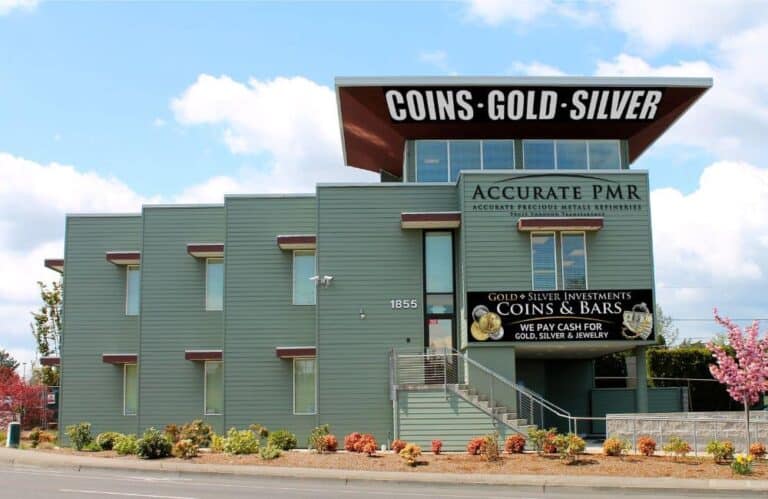
Accurate Precious Metals has been buying gold, silver, and jewelry for over 12 years from customers across the United States. With more than 1,000 five-star reviews, the company has built a reputation for fair, competitive offers based on current spot prices – not pawn-shop guesswork.
Accurate Precious Metals is not a pawn shop. It is a specialized precious metals dealer with the expertise to properly evaluate gold jewelry, bullion, coins, and even diamond pieces. Every item is thoroughly examined and assessed for metal content before an offer is made.
If you are local to Salem, Oregon, you are welcome to bring your pieces in person. The team will evaluate your gold on the spot and make you a competitive offer the same day.
If you are anywhere else in the United States, the mail-in program makes the process straightforward. You request a kit, ship your items with free insured delivery, and receive a competitive offer based on live spot pricing. Payment is fast. There is no obligation to accept.
For anyone working through selling gold online for the first time, the process is simpler than it sounds – and working with an established dealer removes the uncertainty that comes with peer-to-peer platforms or unfamiliar local shops.
You can also reach the team directly at (503) 400-5608 with any questions about your specific pieces before you ship anything.
Divorce is hard enough. Selling your gold does not have to be.
Frequently Asked Questions
Can I sell my wedding ring before the divorce is finalized?
It depends on whether the ring is your separate property or marital property. If it was a gift to you, it is generally yours to sell. If it is jointly owned, selling before the divorce is finalized without your spouse's consent can create legal complications. Consult a family law attorney if you are unsure.
How do I know how much my gold ring is worth before I sell?
Start by identifying the karat (usually stamped inside the band as 10k, 14k, 18k, or 24k) and weighing the piece in grams. Then use the current spot price of gold to estimate melt value. At the time of writing, gold is $4,176/oz. A 14k ring at 5 grams would have a melt value of roughly $394. Getting a professional appraisal gives you a more precise number.
What is the difference between melt value and appraised value?
Melt value is what the raw gold content is worth based on weight and purity. Appraised value is what a jeweler estimates the piece is worth for insurance or resale purposes, which may be higher if the piece has design or gemstone value. Most buyers pay based on melt value, not appraised value.
Do I owe taxes when I sell my wedding ring?
Possibly, but rarely. If you sell for more than you originally paid, the profit may be subject to a collectibles capital gains tax rate of up to 28%. In most cases, jewelry sells for less than its retail purchase price, so there is no taxable gain. Keep your original receipt to establish your cost basis.
What is the fastest way to sell gold after divorce?
Visiting a local precious metals dealer in person is typically the fastest option. If you are not near a dealer, a mail-in service with insured shipping is the next best option – you can usually receive a quote within a few days of shipping.
Does Accurate Precious Metals buy gold jewelry in any condition?
Yes. Accurate Precious Metals buys gold jewelry whether it is broken, intact, worn, or missing stones. The offer is based on the metal content, not the cosmetic condition of the piece.
Can I sell gold coins that were part of a shared investment portfolio?
Yes, but the same ownership rules apply. If the coins were jointly purchased, you will need your former spouse's agreement or a court order before selling. Once ownership is established, gold coins are straightforward to sell to a dealer at or near spot price.
Sources
- LinkedIn – Legal Considerations for Selling Gold After Divorce
- Diamond Banc – Top Reasons to Sell Your Wedding Ring After a Divorce
- Cash For Your Gold – What Happens to Jewellery After Divorce
- Blackthorn Gold – Selling Gold Jewelry After Divorce
- Reddit – Community Discussion on Selling Shared Assets After Divorce

