

Sell silver coins bars jewelry: Maximize your payout

Disclaimer
Accurate Precious Metals is not a financial advisor. We encourage everyone to consult a financial advisor or CPA. They can help determine the best investment strategies. Our mission is to provide educational content about precious metals. Accurate Precious Metals is committed to transparency and reliability. They offer top-tier precious metal products and information.
This information is subject to change due to market fluctuations, world events, and factors beyond our control. Additionally, the content may not fully reflect our company’s values, as personnel, staff, and authorship may change over time.
If you want to sell silver coins, bars, and jewelry from a mixed collection, the single biggest mistake is treating everything the same. Each category has its own pricing logic, its own best buyer, and its own pitfalls. Getting this right can mean the difference between a fair payout and leaving real money on the table.
Silver is trading at $60 per troy ounce at the time of writing. That number is your starting point – not your final answer. A vintage sterling bracelet, a 10-ounce bar from a recognized refinery, and a rare pre-1965 dime all contain silver, but they sell through completely different channels and at very different premiums. This guide walks through each category so you can approach buyers with confidence.
Live Silver Spot Price – Accurate Precious Metals Refineries
Sort First, Sell Second
Before you contact a single buyer, separate your collection into three piles: coins, bars, and jewelry. This one step changes everything about how you get quoted.
Buyers specialize. A bullion dealer who prices bars all day may not know the numismatic premium on a key-date coin. A coin shop that handles rare dates may not offer the best rate on a box of broken sterling chains. When you walk in with a sorted collection and ask for separate quotes on each group, you signal that you know what you own – and buyers respond to that.
Practical steps before any sale:
- Photograph everything before it leaves your hands.
- Keep original packaging, mint certificates, and assay cards with bars.
- Do not clean any coins – especially older ones. Cleaning destroys collector value.
- Weigh items on a reliable scale if you have one. Troy ounces, not grams.
- Look for purity marks: 925 or Sterling on jewelry, .999 or .9999 on bars, and mint marks or dates on coins.
Silver Coins: Know Whether You Have Bullion or Numismatic Value
Silver coins split into two camps, and the difference matters enormously.
Bullion coins are modern government-issued pieces valued mainly for their silver content. Think one-ounce issues from major world mints. At $60/oz at the time of writing, a one-ounce bullion coin’s melt value is about $60, and it typically sells at a small premium over that.
Numismatic coins are valued for rarity, date, mint mark, and condition – not just metal. A worn common-date Morgan dollar may sell close to melt. A high-grade key-date example from the same series could be worth many times its silver content. The only way to know is to look it up or get a collector appraisal before selling.
Pre-1965 U.S. silver coins – dimes, quarters, halves, and dollars – contain 90% silver. Their melt value is calculated from actual silver content, not face value. At $60/oz, a bag of 90% silver coins carries real metal value, but certain dates in that bag may carry collector premiums on top.
For a deeper look at how to maximize what you receive, the sell silver coins for cash guide covers the process in detail.


Silver Bars: The Straightforward Category
Bars are the easiest part of a mixed collection. Their value tracks closely to weight, purity, and brand. Most bars you will encounter are:
- 1 oz bars – common, easy to sell, good liquidity
- 10 oz bars – popular size, widely accepted
- 100 oz bars – larger dollar ticket, fewer buyers but still liquid
- Kilo bars – less common in private collections, typically industrial or investment-grade
Purity is almost always .999 or .9999 fine silver. At $60/oz at the time of writing, a 10-ounce .999 bar has a melt value of about $600 before any buyer discount.
Bars from recognized refineries – names stamped clearly with weight and purity assay – sell more easily than generic or unknown-brand bars. Original packaging and assay cards help, but bars in good condition without packaging still sell fine at most bullion dealers.
One thing to understand: buyers pay under spot. They need a margin to resell or hedge. That spread varies by buyer type and market conditions. Getting multiple offers is the best way to find the most competitive rate. For more detail on what to expect, selling silver bars breaks down the process by bar type and size.
Confirm weight and purity from the stamp on the bar
Calculate rough melt value: weight x $60/oz at the time of writing
Contact at least two buyers – a local bullion dealer and an online option
Compare offers and ask whether quotes are based on current spot
Choose the best offer and confirm payment method and timing
Silver Jewelry: Melt Value Is Common, But Not Always the Ceiling
Most silver jewelry sells for its metal content. Broken chains, mismatched earrings, and common sterling pieces go straight to scrap pricing. That is fine – at $60/oz, even modest amounts of sterling add up quickly.
Sterling silver is 92.5% pure. To find the silver content of a sterling piece, multiply its total weight by 0.925. A sterling item weighing 2 troy ounces contains about 1.85 troy ounces of pure silver – worth roughly $111 at the time of writing before buyer discounts.
But not all jewelry is just scrap. Some pieces carry value beyond metal:
- Designer or branded jewelry from recognized makers
- Antique or estate pieces with age, provenance, or historical interest
- Handmade artisan work with craftsmanship value
- Gem-set pieces where stones add resale value
Before selling, look for hallmarks. 925 and Sterling confirm silver content. 800 indicates 80% silver, common in European pieces. Unknown or unmarked items may be silver-plated – worth little as scrap. Do not assume plating is solid silver.
If a piece has gemstones, do not remove them without knowing whether they add value. A well-set stone in a nice mounting can matter to the right buyer.
For a full breakdown of the jewelry selling process, how to sell silver jewelry for cash covers what to look for and what to expect.
How Melt Value Is Calculated
The math is straightforward once you know purity and weight.
| Item Type | Typical Purity | Melt Value Formula |
|---|---|---|
| .999 Silver Bar | 99.9% | Weight (oz) x $60 |
| Sterling Jewelry | 92.5% | Weight (oz) x 0.925 x $60 |
| 90% U.S. Silver Coins | 90% | Weight (oz) x 0.90 x $60 |
| Bullion Coins (.999) | 99.9% | Weight (oz) x $60 |
A few things to watch:
- Make sure you are working in troy ounces, not standard ounces. One troy ounce equals about 31.1 grams.
- Quoted weights on coins and bars usually refer to silver content, not total item weight.
- For jewelry, total item weight includes metal alloys – multiply by fineness to get actual silver content.
Where Each Type Sells Best
Not every buyer handles every type of silver equally well. Matching your items to the right buyer type gets you better offers.
The best approach for a mixed collection is to get separate quotes for each category rather than one lump offer. A single “I’ll take the whole lot” quote almost always benefits the buyer more than the seller.
Online dealers can be competitive for standardized bullion, but factor in shipping, insurance, and payment timing when comparing net proceeds. For sellers outside major metro areas, a reputable mail-in service with insured shipping can be just as convenient as a local shop – sometimes more so.
The best way to sell silver bullion article goes deeper on timing, pricing, and choosing between buyer types for investment-grade silver.
Common Mistakes That Cost Sellers Money
These are the errors that show up most often:
- Selling collectible coins as scrap. A coin worth $200 to a collector is worth $60 at melt. Always check before selling.
- Cleaning coins. Even gentle cleaning leaves microscopic scratches that destroy collector grades and premiums.
- Ignoring packaging. A bar with its original assay card and mint seal sells more easily and sometimes at a slightly better rate.
- Assuming plated items are solid silver. Test or look for markings before grouping with solid silver.
- Accepting the first offer. Precious metals buyers compete. Get at least two quotes.
- Selling everything together. Mixed lots almost always bring lower per-item prices than sorted, category-specific sales.
Preparing Your Collection for Sale
A little preparation goes a long way. You do not need to be an expert – you just need to do the basics before you meet a buyer.
Tips for preparing silver items for sale covers this in detail, but here is the short version:
- Pull out any coins that look old, unusual, or in exceptional condition. Set them aside for a separate appraisal.
- Group bars by size and purity. Keep packaging intact.
- Separate jewelry into solid silver, sterling, and unknown or possibly plated.
- Photograph each group before any transaction.
- Write down the approximate weight of each group if you have a scale.
This preparation takes an hour or two and puts you in a much stronger position when buyers make offers. You can ask informed questions, compare quotes on the same items, and spot lowball offers before you accept them.
Sell Your Silver With Accurate Precious Metals
Accurate Precious Metals has been buying silver in all forms for over 12 years, with more than 1,000 five-star reviews from customers across the country. Unlike a pawn shop, we are a specialized precious metals dealer – which means our offers are based on current spot prices and actual metal value, not a generalized “what can we get away with” approach.
We buy everything in a mixed silver collection: bullion coins, bars from any refinery, sterling jewelry, broken chains, flatware, rounds, and more. Condition matters less than you might think – we evaluate metal content, not cosmetic appearance.
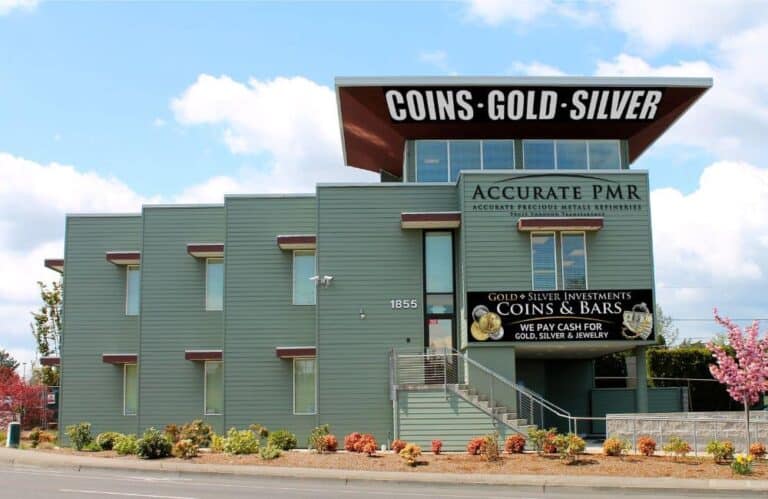
If you are local to Salem, Oregon, visit us in person and bring your collection. We will sort through it with you, give you separate evaluations by category, and make competitive offers on the spot.
If you are anywhere else in the United States, our mail-in service makes the process simple. You receive a free insured shipping kit, send your silver safely, and get a fast payment once we evaluate your items. Sell my silver by mail – it is straightforward, insured, and available nationwide.
Whether you have a single bar or a full estate collection of coins, bars, and jewelry, we have the expertise to value each piece correctly and make you a fair offer based on what silver is actually worth today.
Frequently Asked Questions
Can I sell silver coins, bars, and jewelry all at once to the same buyer?
Yes, but ask for itemized quotes on each category. A single bulk offer almost always undervalues at least one group. A good buyer will price coins, bars, and jewelry separately.
How do I know if my silver coin is worth more than melt?
Check the date, mint mark, and condition. Pre-1965 U.S. coins, key-date issues, and high-grade examples often carry collector premiums. When in doubt, get a numismatic appraisal before selling.
What does sterling silver mean and how does it affect melt value?
Sterling is 92.5% pure silver. To find the silver content, multiply the item's weight by 0.925. At $60/oz at the time of writing, one troy ounce of sterling contains about 0.925 oz of silver – worth roughly $55.50 before buyer discounts.
Do silver bars always sell at spot price?
No. Buyers pay under spot to maintain a margin for resale and risk. How close to spot you receive depends on bar size, brand, condition, and current market competition. Getting multiple quotes helps you find the best rate.
Is it worth selling silver jewelry if it is broken?
Yes. Broken sterling jewelry still has metal value. At $60/oz, even small amounts of silver add up. Just confirm the piece is solid silver and not silver-plated before calculating value.
What markings should I look for on silver jewelry?
Look for 925, Sterling, or 800 stamps. These confirm silver content. Pieces marked EPNS, Silver Plate, or with no marking at all may be plated and carry little or no melt value.
How do I sell silver if I am not near a dealer?
Use a mail-in service. Accurate Precious Metals offers free insured shipping kits for sellers anywhere in the United States. You send your silver safely, we evaluate it, and you receive payment quickly.
Should I clean my silver before selling?
For jewelry and bars, light cleaning is generally fine. For coins – especially older or collectible ones – do not clean them. Cleaning coins removes the natural surface patina that collectors value and can significantly reduce what a numismatic buyer will pay.

