

Sell Gold in San Francisco: Navigate a Rich, Competitive Market

Disclaimer
Accurate Precious Metals is not a financial advisor. We encourage everyone to consult a financial advisor or CPA. They can help determine the best investment strategies. Our mission is to provide educational content about precious metals. Accurate Precious Metals is committed to transparency and reliability. They offer top-tier precious metal products and information.
This information is subject to change due to market fluctuations, world events, and factors beyond our control. Additionally, the content may not fully reflect our company’s values, as personnel, staff, and authorship may change over time.
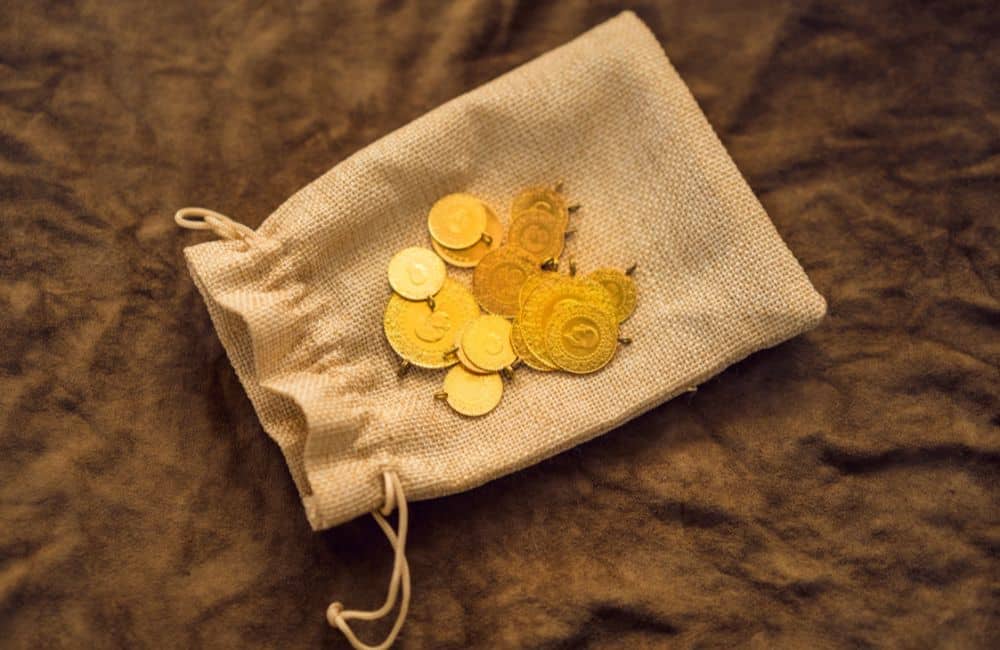
If you want to sell gold in San Francisco, you are working in one of the most historically rich precious-metals markets in the country. The Bay Area’s gold culture traces directly to the California Gold Rush, and today that legacy shows up in a dense concentration of coin shops, bullion dealers, and jewelry buyers across the city. Knowing how to approach that market – and when to skip it entirely for a more convenient option – can mean the difference between a fair offer and leaving money on the table.
This guide covers how gold is priced, what types of gold you might be selling, how local San Francisco buyers operate, and why a trusted mail-in dealer like Accurate Precious Metals is often the smarter choice for sellers anywhere in the country, including the Bay Area.
Why San Francisco Has a Strong Gold Market
The California Gold Rush of 1848 turned San Francisco into a commercial gateway for precious metals. Ships brought gold from the Sierra Nevada foothills through the Bay, and the city became the natural hub for assaying, trading, and financing gold-related commerce. That infrastructure never fully disappeared.
Today, San Francisco and the broader Bay Area host multiple established businesses that buy and sell gold, silver, platinum, coins, and jewelry. You will find coin dealers, bullion houses, estate jewelry buyers, and general scrap buyers – each with a different specialty. That variety is useful, but it also means a seller needs to know which type of buyer fits their particular item.
A competitive local market is good news in theory. Multiple buyers mean multiple quotes. But not every buyer values every item the same way, and the spread between a low offer and a fair one can be significant depending on what you are selling.
The Three Types of Gold You Might Be Selling
Before you walk into any buyer’s shop – in San Francisco or anywhere else – it helps to know what category your gold falls into. Buyers price these differently.
Scrap Gold
Scrap gold is any gold sold primarily for its metal content. Broken chains, single earrings, bent rings, dental gold, and damaged jewelry all fall here. The buyer tests purity, weighs the piece, and calculates an offer based on the gold content minus their margin for refining and overhead. Condition and design are mostly irrelevant.
Bullion Gold
Bullion refers to gold sold for investment value – bars and widely traded coins like American Gold Eagles or Canadian Maple Leafs. These are standardized products with known purity and weight, so buyers price them close to the current spot price. The spread between what you receive and the live market rate is smaller than with scrap, because the buyer can easily resell or trade the piece.
Collectible and Numismatic Gold
Numismatic gold includes rare coins and historic pieces whose value depends on date, mint mark, condition, and collector demand – not just metal weight. A common mistake is treating a potentially collectible coin like scrap. Some coins carry premiums well above their gold content, and selling them to a scrap buyer means leaving that premium behind entirely.
If you are unsure whether a coin is numismatic, get it in front of a specialist before accepting any offer based purely on weight.


How Gold Pricing Actually Works
Gold pricing starts with the spot price – the live market rate for one troy ounce of pure gold. Right now, gold trades at around $4,444 per ounce. That number is the benchmark, but sellers rarely receive the full spot price. Buyers subtract a margin to cover testing, refining, overhead, and resale risk.
The calculation flows like this:
- Start with the spot price per troy ounce.
- Adjust for purity. A 14k piece contains 58.5% gold; an 18k piece contains 75%; 24k is pure.
- Weigh the actual gold content, not the total item weight.
- Apply the buyer’s spread – the discount from metal value that covers their costs.
Two rings that weigh the same can receive very different offers if one is 10k and the other is 18k. The stamp on the piece tells you the purity tier, but buyers will still test it independently. A hallmark is a useful starting point, not a final answer.
Silver, platinum, and palladium can also factor in if you are selling estate jewelry or mixed-metal pieces. Current spot prices put silver at about $75 per ounce, platinum at around $1,908, and palladium near $1,386. A buyer who handles multiple metals can separate and value each component, which matters if your item contains more than one precious metal.
Gold Scrap Value Calculator – Accurate Precious Metals Refineries
Sell Gold in San Francisco: What Local Buyers Offer
San Francisco has several publicly listed businesses that buy gold, including Polyak Precious Metals, San Francisco Diamond & Jewelry Buyers, Bay Area Gold & Silver Buyers, and various coin dealers and bullion shops listed in local directories. Each tends to specialize in a different segment of the market.
A jewelry buyer may focus on diamonds and designer pieces. A coin dealer may understand numismatic premiums better than anyone else in the room. A bullion dealer is usually best for bars and standard investment coins. Visiting the wrong type of buyer for your item type is one of the most common ways sellers undervalue what they have.
How to Evaluate Any Offer You Receive
A reputable buyer should be able to walk you through their offer in plain terms. Ask these questions before you agree to anything:
- What purity did you test this at, and how did you test it?
- What is the weight in troy ounces or grams?
- What spot price are you referencing?
- What percentage of the metal value are you offering?
- Are you pricing this as scrap, bullion, or numismatic?
If the buyer cannot answer those questions clearly, that is a warning sign. Transparent buyers explain their math. Vague answers usually mean the offer is lower than it should be.
Bring a government-issued ID. Most legitimate precious-metals dealers require identification for higher-value transactions as part of standard compliance procedures. That is normal and expected in this industry.
Common Mistakes That Cost Sellers Money
Cleaning Collectible Coins
Do not polish or clean a coin before showing it to a buyer. Cleaning removes the original surface and eye appeal that collectors value. A cleaned coin in otherwise fine condition can lose significant numismatic premium. If you are unsure whether a coin is collectible, leave it exactly as it is.
Selling Rare Coins as Scrap
A coin that looks ordinary may carry a significant premium based on date, mint mark, or low surviving population. Selling it to a scrap buyer who only weighs the metal means you collect the melt value and the buyer – or whoever buys it next – collects the rest. A coin specialist or a dealer with NGC grading services can identify whether a piece has collector value before you commit to a price.
Assuming All Buyers Are the Same
A general pawn shop, a coin dealer, a bullion house, and a jewelry buyer all approach gold differently. Matching your item to the right buyer type is as important as getting multiple quotes.
Forgetting About Gemstones
If your jewelry contains diamonds or other significant stones, a scrap buyer may price only the metal. A specialist who handles both metal and stones may offer substantially more for the same piece. Selling estate jewelry with diamonds to a buyer who ignores the stones is a common and expensive oversight.
The Mail-In Alternative: Sell Gold Without Leaving Home
Local buyers in San Francisco are one option. But for many sellers – especially those with bullion coins, bars, or higher-value pieces – a trusted national dealer with a transparent mail-in process can deliver a better result without the hassle of driving around the city.
Accurate Precious Metals, based in Salem, Oregon, has been buying precious metals for over 12 years. With more than 1,000 five-star customer reviews and competitive pricing tied to live spot rates, the company serves sellers across the United States – including San Francisco – through a straightforward mail-in gold program.
The process works like this:
Visit AccuratePMR.com or call (503) 400-5608 to request a free mail-in kit
Use the insured shipping materials provided – no out-of-pocket shipping cost
Your gold is evaluated for purity and weight by our team using trusted and transparent processes
You get a clear offer with the pricing breakdown explained
Accept the offer and receive prompt payment
Accurate Precious Metals buys everything from broken jewelry and scrap gold to investment-grade gold bars and numismatic coins. The company is not a pawn shop – it is a specialized precious-metals dealer with the expertise to recognize whether a piece should be priced as scrap, bullion, or collectible, and to pay accordingly.
For San Francisco sellers who want the convenience of staying home, the mail-in gold selling option removes the friction of visiting multiple local shops while still delivering a competitive, transparent offer.
Sell Gold in San Francisco: Matching Item Type to the Right Buyer
Not every seller has the same situation. Here is a straightforward guide to matching what you have with where to take it:
| Item Type | Best Buyer Type | Key Consideration |
|---|---|---|
| Broken or scrap jewelry | Gold buyer or bullion dealer | Offer based on weight and purity |
| Standard bullion coins or bars | Bullion dealer or mail-in dealer | Pricing close to spot |
| Rare or collectible coins | Coin specialist or NGC-affiliated dealer | Numismatic premium may far exceed melt value |
| Estate jewelry with diamonds | Jewelry specialist | Metal and stone value assessed separately |
| Mixed precious metals | Dealer who handles multiple metals | Each metal weighed and priced individually |
Why Accurate Precious Metals Stands Out
For Bay Area sellers comparing their options, Accurate Precious Metals offers a combination that is hard to match locally. The company has over a decade of experience, a track record documented by thousands of verified reviews, and pricing updated to reflect live market rates. The inventory and buying scope covers gold, silver, platinum, palladium, coins, bars, diamonds, and jewelry in any condition.
Local San Francisco buyers can be useful for quick, in-person transactions. But they vary in expertise, transparency, and the types of items they handle well. Accurate Precious Metals handles the full range – and for sellers who want their offer explained clearly, their item valued correctly, and their payment processed quickly, the sell your gold for cash process at AccuratePMR.com is a reliable path.
If you are local to Salem, Oregon, you are welcome to visit in person. If you are anywhere else in the United States – including San Francisco – the insured mail-in service handles the entire transaction securely and conveniently. Reach the team directly at (503) 400-5608 or start the process at AccuratePMR.com.
Frequently Asked Questions
How is the value of my gold calculated when I sell it?
The offer is based on three factors: the current spot price of gold, the purity of your piece (expressed in karats or fineness), and the actual weight of the gold content. The buyer then applies their margin. A transparent buyer will show you all three numbers before you agree to anything.
Can I sell gold coins in San Francisco, and will I get more than melt value?
It depends on the coin. Standard bullion coins like American Gold Eagles or Canadian Maple Leafs are priced close to spot. Rare or historic coins may carry a significant numismatic premium above their gold weight. A coin specialist or a dealer with grading expertise can tell you which category your coin falls into.
Is it safe to mail gold to a dealer?
Yes, when you use a reputable dealer with insured shipping. Accurate Precious Metals provides a free mail-in kit with insured packaging, so your items are covered during transit. The company has processed thousands of mail-in transactions with a strong review record.
Do I need an appointment to sell gold in person?
Most local San Francisco buyers accept walk-ins, but calling ahead is always a good idea, especially if you have a large or complex collection. For the Accurate Precious Metals Salem location, calling (503) 400-5608 before your visit helps ensure the right team member is available.
What identification do I need to bring?
Most legitimate precious-metals dealers require a government-issued photo ID for transactions above a certain value. This is standard practice across the industry and is part of normal compliance procedures.
What is the difference between a pawn shop and a precious metals dealer?
A pawn shop is a generalist business that accepts almost any item as collateral or for resale. A precious-metals dealer specializes in gold, silver, platinum, and related items, and typically has deeper expertise in testing, pricing, and identifying numismatic value. Accurate Precious Metals is a specialized bullion dealer – not a pawn shop.
Can I sell platinum or palladium along with my gold?
Yes. Accurate Precious Metals buys all precious metals, including platinum and palladium. Current spot prices put platinum at around $1,908 per ounce and palladium near $1,386. If you have mixed-metal items or multiple types of metals to sell, both can be evaluated and priced in the same transaction.


