

Sell a Diamond Without Paperwork: What You Need to Know

Disclaimer
Accurate Precious Metals is not a financial advisor. We encourage everyone to consult a financial advisor or CPA. They can help determine the best investment strategies. Our mission is to provide educational content about precious metals. Accurate Precious Metals is committed to transparency and reliability. They offer top-tier precious metal products and information.
This information is subject to change due to market fluctuations, world events, and factors beyond our control. Additionally, the content may not fully reflect our company’s values, as personnel, staff, and authorship may change over time.
If you need to sell a diamond without paperwork, you are not alone – and you are not out of options. Inherited rings, vintage pieces, and old jewelry often come with no grading report, no receipt, and no documentation at all. That does not mean the diamond is worthless or unsellable. It does mean you need to approach the process with clear eyes, realistic expectations, and the right buyer.
Uncertified diamonds sell every day. The key is understanding what affects your offer, what steps you can take to strengthen your position, and which buyers will treat you fairly. This guide walks through all of it.
Why So Many Diamonds Have No Paperwork
Diamond grading reports became a standard part of the industry only in the mid-20th century. The Gemological Institute of America introduced a standardized grading system in the 1950s, and even then, documentation was not universal. Diamonds sold before that era – and many sold well after – came with nothing more than a jeweler’s word.
Today, the GIA is the most trusted grading lab in the world. The EGL (European Gemological Laboratory) and IGI (International Gemological Institute) also issue respected reports. But millions of diamonds in circulation predate these systems or were simply never submitted for grading. Estate pieces, family heirlooms, and vintage jewelry commonly fall into this category.
If you inherited a ring from a grandparent or bought a stone decades ago from a local jeweler, the absence of a certificate is completely normal. It does not signal anything suspicious about the diamond itself.
First Step: Confirm You Actually Have a Diamond
Before anything else, verify the stone is a real diamond. This sounds obvious, but many people discover their “diamond” is moissanite, cubic zirconia, or even glass. Family stories about heirlooms are often passed down with good intentions but questionable accuracy.
A local jeweler can usually perform a quick verbal inspection at no charge. They will use a thermal conductivity tester or a loupe to give you a working answer. This is not a full appraisal – just a confirmation that you have a real stone worth pursuing.
Some diamonds also carry a laser-inscribed certificate number on the girdle (the thin edge of the stone). A jeweler with a loupe can check for this. If a number exists, you may be able to look it up in the GIA database and retrieve the original report, which would significantly improve your selling position.



Understanding What You Have: The 4 Cs Without a Report
Even without a certificate, you can describe your diamond using the same framework buyers use. Knowing these traits helps you have informed conversations and set realistic price expectations.
Carat refers to weight. One carat equals 0.2 grams. A jeweler’s scale gives you this number precisely. Larger stones command higher prices, but carat weight alone does not determine value.
Color runs on a scale from D (colorless) to Z (visibly yellow or brown). Most diamonds in everyday jewelry fall in the G-H range, which appears nearly colorless to the naked eye. A jeweler can estimate color grade visually.
Clarity measures how many internal flaws (inclusions) or surface blemishes are visible. Fewer inclusions mean a higher grade and a higher price. Good lighting and a loupe reveal a lot.
Cut describes both the shape (round, princess, oval, cushion, etc.) and how well the stone was faceted. A well-cut diamond reflects light brilliantly. A poorly cut stone looks dull even if the other grades are high.
Diamond Size Estimator – Accurate Precious Metals Refineries
You will not get a precise grade without lab equipment, but a rough working description of these four factors gives buyers enough to make an offer. Be honest about what you do and do not know.
Should You Get an Appraisal or a GIA Certificate?
An appraisal gives you a written estimate of value from a qualified gemologist. It typically costs $50-$150 and is useful for insurance, estate purposes, or simply knowing what you have before you negotiate. For diamonds you suspect are high-quality, this investment often pays off.
A GIA certificate is a different thing. It is a formal grading report issued by the lab after they physically examine the stone. Only loose diamonds can be submitted – you must remove the stone from its setting first. Turnaround time varies, and fees depend on carat weight. For a large, high-quality diamond, the cost of certification is usually worth it because a GIA report can significantly increase buyer confidence and your final offer.
For smaller or lower-quality stones, the math may not work in your favor. If a diamond is likely worth $400 uncertified, spending $100-$200 on certification and removal may not move the needle enough to justify it. A jeweler or gemologist can advise you on whether certification makes financial sense for your specific stone.
How Much Less Will You Get Without Paperwork?
The honest answer: less. Buyers assume more risk when there is no documentation, and they price that risk into their offers. Here is a general picture of how the market works.
| Scenario | Typical Offer Range |
|---|---|
| Certified diamond (GIA report) | Closer to retail value |
| Uncertified diamond (reputable buyer) | 40-60% of retail value |
| Pawn shop | Usually only the metal value – diamond often ignored |
| Online marketplace (eBay, Etsy) | 50-70% of retail with strong presentation |
Pawn shops are worth addressing directly. Most will pay only for the gold or platinum in the setting. At the time of writing, gold spot is about $4,180 per ounce, which means a 14K gold band with a quarter ounce of metal content carries meaningful metal value. But the diamond itself? Many pawn shops quote it at zero, or close to it. That is not a fair reflection of what the stone is worth – it is simply how pawn shops operate. They are not diamond buyers.
Silver settings carry even less metal value. At the time of writing, silver spot is about $63 per ounce, so a silver ring band contributes only a few dollars in melt value. If your diamond is set in silver, the stone’s value is essentially the entire transaction.
For a deeper look at how the resale market works across different gem types, the diamond resale value guide on our blog breaks down what buyers actually pay and why.
Choosing the Right Selling Platform
Where you sell matters as much as what you are selling. Different platforms attract different buyers, and each comes with trade-offs.
Online marketplaces give you the most control over price, but they require effort. You need good photos, an honest description, and patience. Be upfront that the diamond has no certificate. Explain what you know – the shape, approximate size, the setting metal, any history you have. Buyers respond well to transparency. Trying to hide the lack of documentation almost always backfires.
Estate jewelers and specialized diamond buyers are often the most practical choice for sellers who want a quick, fair transaction without the hassle of managing a listing. They understand uncertified stones and have the tools to evaluate them properly.
If you are considering selling online, how to sell diamonds online covers the process in detail, including what to include in your listing and how to protect yourself from common scams.
Building Your Own Documentation
You cannot produce a GIA report that does not exist, but you can build a credible file that gives buyers more confidence. Here is what to gather before you sell.
Take clear photos – multiple angles, close-ups of the stone, any hallmarks or engravings on the setting
Note any markings – “14K,” “750,” “PT950,” or a maker’s stamp tells buyers about the metal and sometimes the era
Write down the ownership history – who owned it, when it was purchased, how it came to you
Gather any supporting documents – old receipts, insurance appraisals, estate paperwork, repair records
Get a verbal or written appraisal from a local jeweler to establish a baseline value
Even informal documentation helps. A letter from a family member describing the piece, a photo of a relative wearing the ring, or an old insurance policy mentioning the jewelry all add credibility. Buyers are not just evaluating the stone – they are evaluating whether they can trust the seller.
Common Myths About Selling Without Paperwork
A lot of misinformation circulates about uncertified diamonds. Here are the ones that cause sellers the most trouble.
“No certificate means no value.” False. Uncertified diamonds sell regularly. The certificate affects price and buyer confidence, not whether a sale is possible.
“Pawn shops will give me a fair price for the diamond.” Rarely true. Most pawn shops are not equipped to properly evaluate diamonds and will default to paying only for the metal. They are not the right buyer for this transaction.
“I need a GIA report to sell.” You do not. It helps, especially for larger stones, but it is not a requirement. Plenty of buyers purchase uncertified diamonds every day.
“The family story about this diamond is accurate.” Maybe, maybe not. Heirlooms are frequently misidentified. A stone described as a “two-carat diamond” for three generations might turn out to be a one-carat stone – or not a diamond at all. Get it checked.
“All jewelers will lowball me.” Not true. Estate buyers and reputable diamond dealers compete for inventory and have reason to offer fair prices. The key is choosing a buyer with a track record.
Legal Considerations When Selling a Diamond
Diamonds must be legally obtained to sell. If you inherited a piece, received it as a gift, or purchased it yourself, you are in the clear. If there is any question about provenance, speak with an attorney before proceeding.
Sellers are not required to prove ownership in most transactions, but being transparent about how you acquired the stone protects you. Reputable buyers may ask basic questions about provenance – this is standard practice, not an accusation. Answer honestly and keep any supporting documentation you have.
How Accurate Precious Metals Can Help
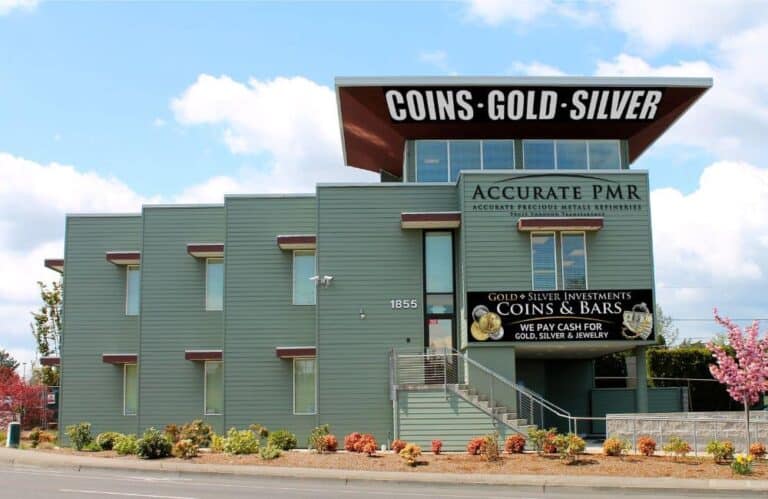
Accurate Precious Metals, based in Salem, Oregon, has been buying diamonds and jewelry for over 12 years. With more than 1,000 five-star reviews and a team that genuinely knows the market, they are one of the most trusted options for sellers who want a fair, straightforward transaction – with or without paperwork.
Unlike pawn shops, Accurate Precious Metals is a specialized precious metals and diamond dealer. Their team evaluates stones on their actual merits, not just the metal in the setting. Offers are competitive and based on current market conditions. You will not be handed a lowball number and told the diamond is “worth nothing.”
Local sellers in the Salem, Oregon area can bring their diamond in for an in-person evaluation. For everyone else across the United States, the mail-in service makes the process simple. You request a kit, ship your piece with free insured delivery, and receive a professional assessment and offer. Payment is fast once you accept.
Sell my diamonds through the mail-in program – it is a straightforward process designed for sellers who want a real offer without the runaround.
If you want to explore your options before committing, places to sell diamonds provides a broader look at where sellers typically get the best results and what to watch out for along the way.
Whether your diamond came with a full GIA report or nothing at all, Accurate Precious Metals gives you a fair shot at a real price. Call (503) 400-5608 or visit AccuratePMR.com to get started.
Frequently Asked Questions
Can I sell a diamond without a GIA certificate?
Yes. Uncertified diamonds sell regularly. You will likely receive a lower offer than you would with a report, but reputable buyers will still evaluate the stone and make a fair offer based on its actual quality.
How do I know if my diamond is real before selling?
Take it to a local jeweler for a quick verbal inspection. They can use a thermal conductivity tester or loupe to confirm whether the stone is a real diamond or a simulant like moissanite or cubic zirconia.
Should I get a GIA certificate before selling?
It depends on the size and quality of the stone. For large, high-quality diamonds, the cost of certification is often recovered through a higher sale price. For smaller or lower-quality stones, it may not be worth the expense. A gemologist can advise you.
Why do pawn shops offer so little for diamonds?
Most pawn shops are not equipped to properly evaluate diamonds and default to paying only for the metal in the setting. They are not specialist diamond buyers. Seek out a dedicated diamond or estate jewelry buyer instead.
What documents should I gather before selling?
Collect any photos, receipts, appraisals, insurance documents, estate papers, or ownership history you have. Even informal records help build buyer confidence and can support a stronger offer.
How does the Accurate Precious Metals mail-in service work?
You request a kit, ship your diamond or jewelry with free insured delivery, and receive a professional evaluation and offer. If you accept, payment is processed quickly. Local sellers can also visit the Salem, Oregon location in person.
Will the metal in my ring affect the offer?
Yes, the metal has its own value. At the time of writing, gold spot is about $4,180 per ounce and silver is about $63 per ounce. A gold setting adds meaningful value to your total offer. The diamond and the metal are evaluated separately.
Sources
- White Pine Diamonds – Guide to Selling Diamonds Without Certificates
- MyGemma – Selling Diamonds Without Certificates
- Gold Pawnership – Can You Sell Diamonds Without a Certificate
- Her Agenda – Can You Sell a Diamond Ring Without a Certificate
- MyGemma – No Information Diamond Guide
- Fort Worth Children's Jewelers – What to Do When Your Jewelry Has No Documentation

