

Pawning vs Selling Jewelry Payout: Which Wins More Cash?

Disclaimer
Accurate Precious Metals is not a financial advisor. We encourage everyone to consult a financial advisor or CPA. They can help determine the best investment strategies. Our mission is to provide educational content about precious metals. Accurate Precious Metals is committed to transparency and reliability. They offer top-tier precious metal products and information.
This information is subject to change due to market fluctuations, world events, and factors beyond our control. Additionally, the content may not fully reflect our company’s values, as personnel, staff, and authorship may change over time.
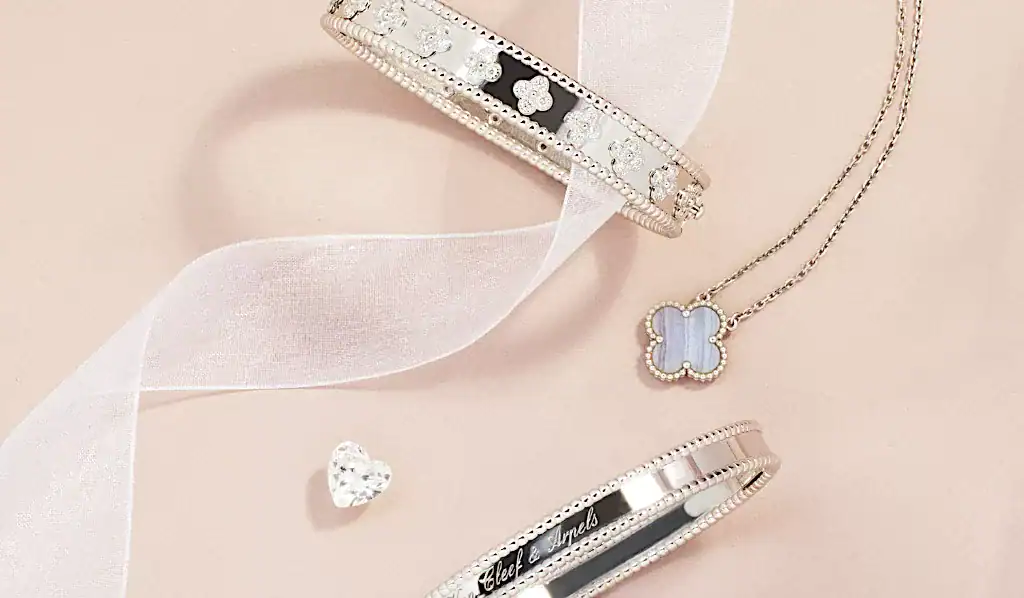
When it comes to the pawning vs selling jewelry payout question, the answer is straightforward: selling almost always puts more cash in your hands immediately. Pawning is a loan, not a sale, and that distinction drives everything about how much you walk away with. If you need the most money possible from your jewelry today, selling is the stronger move. If you need temporary cash and want the option to reclaim a piece later, pawning has its place – but you will pay for that flexibility.
This guide breaks down exactly why the two options differ in payout, what affects the offer you receive, and how to decide which path fits your situation.
Pawn vs. Sell: The Core Difference That Drives Payout
Pawning and selling are fundamentally different transactions. When you pawn jewelry, the shop gives you a short-term loan and holds your piece as collateral. Repay the loan plus interest and fees on time, and you get the item back. Default on the loan, and the shop keeps the jewelry and sells it to recover the money.
Selling transfers ownership permanently. You hand over the jewelry and receive cash. No repayment, no interest, no risk of losing the piece to default.
That loan structure is exactly why pawn offers are lower. The shop has to price in the possibility that you never come back. It also has to account for storage, appraisal uncertainty, and the eventual cost of reselling the piece if needed. All of that risk gets baked into a lower loan amount – typically a fraction of what the item could bring in a direct sale.
Why Pawn Offers Are Lower Than Sale Offers
A pawn shop is not buying your jewelry outright – it is making a secured loan. That means it needs enough cushion between the loan amount and the item’s resale value to cover its risk. If you default, the shop needs to sell the piece and still come out ahead after fees, time, and overhead.
The result is that pawn loans are commonly a fraction of what a jewelry buyer or precious metals dealer would offer for the same item. Sources consistently show that a straight buy offer beats a pawn loan offer on the same piece.
There is also the interest factor. Even if the pawn loan amount were comparable to a sale offer – which it rarely is – you would still need to repay principal plus interest to get the item back. The total cost of pawning can easily exceed the value of a direct sale when you factor in what repayment actually costs.





How Jewelry Value Is Calculated – What Buyers Actually Look At
Whether you are pawning or selling, buyers use similar factors to determine what your jewelry is worth. Understanding these helps you judge whether an offer is fair.
Metal Content and Melt Value
For gold, silver, and platinum jewelry, the starting point is usually melt value – the raw worth of the metal based on weight, purity, and current spot price. At the time of writing, gold trades at $4,334 per ounce, silver at $69 per ounce, platinum at $1,769 per ounce, and palladium at $1,218 per ounce. A 14-karat gold ring, for example, is 58.3% pure gold. Multiply the weight in ounces by that purity and then by the spot price to get a rough melt value.
Gold Scrap Value Calculator – Accurate Precious Metals Refineries
Neither a pawn shop nor a jewelry buyer pays full melt value. Both need margin to cover operating costs, refining fees, and profit. But a reputable buyer focused on direct purchase will typically offer closer to melt value than a pawn shop offering a collateral loan.
Gemstones
Diamonds and colored stones add complexity. A certified, high-quality diamond in a popular cut can add meaningful value above the metal. But loose or uncertified stones, or stones set in styles with low resale demand, are often priced at or near scrap metal value. Bring any grading certificates or documentation you have – it can make a real difference.
Brand, Designer, and Collectible Value
A Cartier bracelet or a signed Art Deco brooch may be worth significantly more than its metal weight suggests. Pawn shops vary widely in their ability to recognize and price collectible value. A specialized jewelry buyer or precious metals dealer is more likely to identify and pay for that premium. If you have a branded or antique piece, getting multiple quotes is especially important.
Condition
Broken or damaged jewelry can still have value – the metal refines regardless of condition. But intact, wearable pieces in good condition generally command better offers in a resale-focused sale than broken items.
The True Cost of Pawning: Interest and Fees
The loan amount is not the only number that matters when you pawn jewelry. Pawn shops charge interest and fees on the loan, and those costs accrue over the loan period. In many states, monthly interest rates on pawn loans are regulated but can still be substantial.
Here is a simplified example. Say a shop offers you a $200 pawn loan on a gold necklace. If the monthly fee is 15%, you owe $230 to reclaim it after one month. After two months, $260. After three, $290. Meanwhile, a buyer might have offered $280 for the same necklace outright – no repayment required.
The longer you carry a pawn loan, the more expensive the transaction becomes. For selling gold jewelry outright, there are no ongoing costs. You receive cash and the transaction is complete.
Pawning vs Selling Jewelry Payout by Jewelry Type
Not all jewelry behaves the same way in either transaction. Here is how different types tend to play out.
| Jewelry Type | Pawn Offer Basis | Sale Offer Basis | Notes |
|---|---|---|---|
| Plain gold chains and rings | Fraction of melt value | Closer to melt value | Metal weight drives both |
| Diamond jewelry | Metal + minimal stone value | Metal + stone value (if certified) | Certification helps sale price significantly |
| Designer or branded pieces | Often underpriced | Higher if buyer recognizes brand | Specialized buyers pay more |
| Broken or scrap jewelry | Fraction of scrap value | Closer to scrap value | Metal still has value either way |
| Antique or collectible pieces | Often priced as scrap | Collectible premium possible | Multiple quotes essential |
For plain gold or silver pieces valued mainly by metal content, the gap between a pawn loan and a sale offer may be smaller in absolute dollars but still meaningful. For designer or gemstone pieces, the gap can be much larger because pawn shops may not fully price in collectible or brand value.
Practical Steps to Get the Best Payout
Whether you decide to pawn or sell, preparation makes a difference in the offer you receive.
- Know your metal before you go. Weigh your piece and note the karat marking (for gold) or sterling stamp (for silver). This lets you calculate a rough melt value and judge whether an offer is in the right range.
- Get multiple quotes. Offers vary widely between pawn shops, jewelry buyers, and precious metals dealers. A second or third quote costs nothing and can meaningfully improve your outcome.
- Separate scrap value from collectible value. A vintage piece may be worth more intact than melted. If you have any reason to think a piece has collector interest, pursue buyers who specialize in that area.
- Bring documentation. Receipts, appraisals, GIA certificates for diamonds, or brand authentication paperwork all support a higher offer.
- Understand pawn terms before you sign. Ask about the interest rate, fees, loan duration, and what happens at the end of the term if you cannot repay.
- Consider your timeline honestly. If there is a real chance you cannot repay a pawn loan, selling is the safer financial choice.
For a deeper look at the decision process, how to pawn jewelry covers the mechanics in detail, and the best way to sell jewelry walks through what to expect when selling outright.
Common Misconceptions About Pawning and Selling
“Pawn and sell are basically the same thing.” They are not. One is a loan, one is a sale. The financial outcomes and risks are fundamentally different.
“A pawn shop should pay close to retail.” It will not. Retail price includes the retailer’s markup, overhead, and profit margin. A pawn shop – or any resale buyer – needs its own margin on top of that.
“Selling means getting full market value.” Not in a quick-sale context. Jewelry buyers, gold buyers, and precious metals dealers pay less than retail because they need room to resell or refine the item profitably. The goal is to get a competitive offer based on current spot prices and resale demand – not retail price.
“Gold jewelry is priced only by weight.” Weight and purity matter most for plain metal pieces, but craftsmanship, brand, and gemstones can push value higher. A buyer who understands the full picture will price accordingly.
“Pawning is cheaper because you can get the item back.” Only if you repay on time. Factor in interest and fees, and pawning often costs more than selling – especially over a longer loan period.
When Pawning Actually Makes Sense
Selling is the higher-payout option in most scenarios, but pawning is not always the wrong choice. If you need a short-term cash bridge and are confident you can repay the loan quickly, pawning lets you reclaim a piece you want to keep. For items with strong sentimental value – a family heirloom, an engagement ring – the ability to get the piece back may be worth accepting a lower loan amount and paying interest.
The key question is repayment confidence. If you are certain you can repay within the loan term, pawning preserves the item. If there is meaningful doubt, selling protects you from losing the piece for less than it was worth.
Why Selling to a Precious Metals Dealer Beats Both Options
Pawn shops are generalists. They deal in electronics, tools, instruments, and jewelry – often without deep expertise in precious metals pricing. A specialized precious metals dealer evaluates jewelry based on current spot prices, metal purity, and resale demand, which typically produces a more competitive offer than a pawn loan.
Accurate Precious Metals has been buying jewelry and precious metals for over 12 years from its Salem, Oregon location. With more than 1,000 five-star reviews and competitive offers based on live spot prices, it is a clear alternative to the pawn shop route – whether you are selling a plain gold chain or a designer piece with gemstones.
If you are local to Salem, you can bring your jewelry in person for an evaluation. If you are anywhere else in the United States, the mail-in jewelry program makes it simple: request a kit, ship your jewelry with free insured delivery, and receive a competitive offer based on current metal prices. GIA-certified appraisals are available, and payment is fast once you accept an offer.
For anyone comparing the pawning vs selling jewelry payout question, selling your jewelry for cash through a specialized dealer is almost always the higher-payout path. You skip the loan structure, avoid interest charges, and deal with buyers who understand precious metals pricing.
Accurate Precious Metals buys all jewelry – intact or broken, plain or gemstone, scrap or designer. Whether you sell your jewelry online through the mail-in service or visit in person at the Salem location, you get a fair, competitive offer grounded in real market prices. Call (503) 400-5608 or visit AccuratePMR.com to get started.
Frequently Asked Questions
Does pawning or selling jewelry pay more?
Selling almost always pays more immediately. A pawn loan is a fraction of resale value, while a sale offer is based on what the buyer can realistically recover – which is typically higher than a pawn loan amount.
What percentage of value does a pawn shop offer?
Pawn loans are typically a fraction of an item's resale value. The exact amount varies by shop, item type, and local market. Expect a pawn loan to be lower than a direct sale offer for the same piece.
Can I get full melt value when I sell gold jewelry?
Rarely. Buyers need margin to cover refining, overhead, and resale costs. A competitive buyer offers a fair price based on current spot prices – at the time of writing, gold is $4,334 per ounce – but full melt value is not a typical payout.
What happens if I cannot repay a pawn loan?
The pawn shop keeps the jewelry and sells it to recover the loan amount. You lose the item and receive nothing additional, even if the item was worth more than the loan.
Is it worth pawning jewelry for a short-term loan?
It can be, if you are confident you can repay on time and want to keep the piece. If repayment is uncertain, selling is the safer financial choice.
Does broken jewelry have value?
Yes. The metal in broken jewelry can be refined regardless of condition. A precious metals dealer will evaluate broken pieces based on metal content and weight.
How do I know if an offer is fair?
Know your metal's weight and purity before you go, calculate a rough melt value using current spot prices, and get multiple quotes. A fair offer reflects current market prices and the item's actual metal content.
Can I sell jewelry by mail if I am not near a dealer?
Yes. Accurate Precious Metals offers a mail-in program with free insured shipping for customers anywhere in the United States. Visit AccuratePMR.com or call (503) 400-5608 for details.


