
Like our coverage? Add Accurate Precious Metals as a preferred source on Google.
Coin grading is an essential aspect of coin collecting and investing that allows collectors to understand the value and quality of their coins. This article explores how to certify coins with two leading grading companies, PCGS and NGC, and why proper grading is crucial for collectors and investors alike. By the end of this guide, you will understand the grading process, the significance of certification, and how to submit your coins for professional grading.
What is Coin Grading?
Coin grading refers to the process of evaluating the condition and quality of a coin based on specific grading standards. The grading services use a scale, often the Sheldon scale, to assign a grade that reflects the coin’s physical characteristics, such as wear, luster, and overall appeal. Understanding this grading process is fundamental for collectors who want to buy, sell, or trade coins in the market.
Coins that meet the grading standards established by professional grading services like PCGS and NGC receive a grade that enhances their marketability. Graded coins often command higher prices than their ungraded counterparts, making grading an essential step for serious collectors and investors.
Why Should You Get Your Coins Graded?
Getting your coins graded provides several advantages. First, professional grading services authenticate your coins, verifying that they are genuine and not counterfeits. This authentication adds credibility to your collection, especially when you plan to sell or trade your coins.
Additionally, grading helps establish the value of your coins. A coin graded by PCGS or NGC can attract more interest from collectors and investors, often leading to higher sale prices. When you submit your coins for grading, you also receive a detailed report that outlines the coin’s characteristics and grade, giving you a comprehensive understanding of its condition.
How do you submit coins to PCGS for grading?
To submit coins to PCGS for grading, you need to follow a structured process. Begin by creating an account on the PCGS website. From there, you can fill out the submission form detailing each coin you wish to grade, including its type and any special notes about its condition.
Next, prepare your coins for shipping. Make sure to package them securely to prevent damage during transit. Include your completed submission form and payment for the grading fees. Once PCGS receives your coins, they will begin the grading process, which may take several weeks, depending on their current turnaround time.
What is the Turnaround Time for Coin Grading?
The turnaround time for coin grading varies based on several factors, including the grading service you choose, the type of service you select (standard or expedited), and the volume of submissions they are handling at that time. Typically, PCGS and NGC provide estimated turnaround times on their websites to help you plan accordingly.
What are the Different Grading Standards Used by PCGS and NGC?
PCGS and NGC utilize well-established grading standards that help ensure consistency and accuracy. Both companies refer to the Sheldon scale, which ranges from 1 to 70, with 70 representing a perfect coin. The grading standards encompass various aspects, including the coin’s surface quality, luster, and overall aesthetic appeal.
For instance, a Mint State (MS) coin indicates that it has never been circulated, while a coin graded as Extremely Fine (EF) may show signs of light wear. Understanding these grading standards is crucial for collectors who want to assess their coins accurately and make informed purchasing or selling decisions.
What is the Role of Third-Party Grading Companies?
Third-party grading companies like PCGS and NGC provide unbiased evaluations of coins, which is essential for maintaining trust in the coin market. These companies employ expert graders with extensive knowledge of numismatics and coin grading.
By using third-party grading services, collectors can avoid potential conflicts of interest that may arise when dealing directly with dealers or auctions. The independent assessment provides both buyers and sellers with confidence in the coin’s authenticity and condition, making transactions smoother and more reliable.
How Do You Verify a Coin’s Grade?
Once you receive your coins back from grading, you can verify their grades through the grading company’s online database. Both PCGS and NGC offer easy-to-use verification tools that allow you to search for your coins using their unique certification numbers.
This verification process provides transparency and assurance, as it confirms the coin’s grade and authenticity. Collectors and investors can rely on this verification when making buying or selling decisions, further enhancing the credibility of the graded coins in the market.
What Additional Services Do PCGS and NGC Offer?
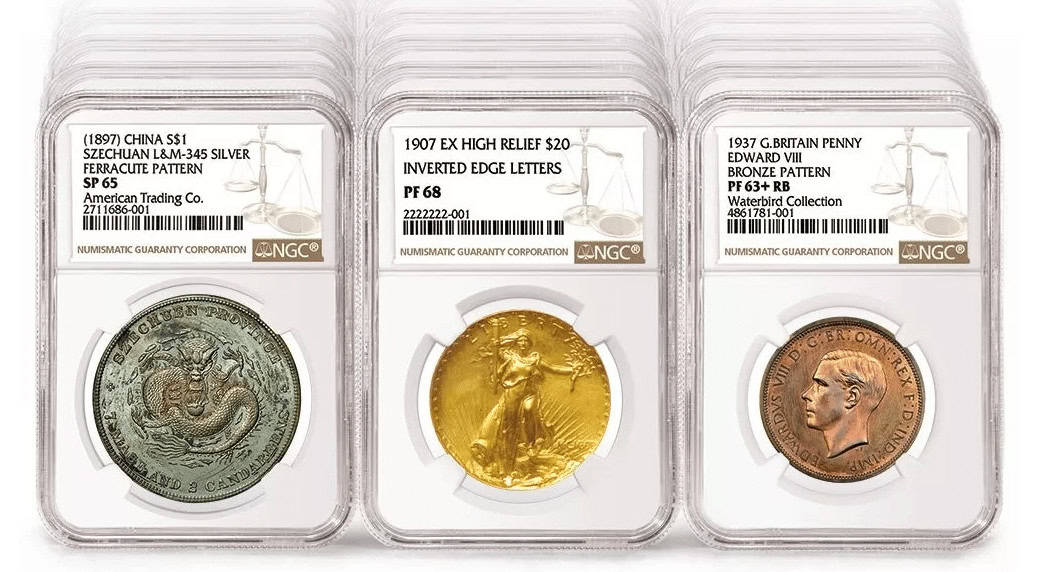
In addition to grading, both PCGS and NGC offer various additional services that can enhance your coin-collecting experience. For example, they provide encapsulation services, which involve sealing coins in protective holders that display the grade and relevant information.
These encapsulated coins not only protect your investment but also make it easier to display and store your collection. Other services may include conservation, re-grading, and cross-grading, which allows you to submit coins graded by one service to another for verification or re-evaluation.
Can You Use PCGS or NGC for Rare Coins?
Absolutely! Both PCGS and NGC are well-equipped to handle rare coins, providing expert grading and certification services that are especially valuable for high-value collectibles. Grading rare coins through these services can significantly enhance their marketability and value.
When dealing with rare coins, it’s crucial to ensure that a reputable service grades them. The credibility of PCGS and NGC assures collectors that their rare coins have undergone rigorous grading processes, making them more desirable to potential buyers.
What Should You Consider When Choosing Between PCGS and NGC?
Choosing between PCGS and NGC often comes down to personal preference and specific needs. Both grading companies provide high-quality grading services, but some collectors may prefer one over the other based on their individual experiences or the types of coins they collect.
Consider factors such as turnaround time, grading fees, and the specific services offered by each company. Additionally, some collectors may find that their coins tend to fare better with one service’s grading standards compared to the other. Researching and understanding these nuances can help you make an informed decision.
FAQs
How Much Does Coin Grading Cost?
The cost of coin grading varies depending on the service level selected and the type of coin being graded. Both PCGS and NGC provide a fee schedule on their websites, outlining the costs associated with different grading options.
Generally, expedited services and higher-value coins incur higher fees. It’s essential to factor in these costs when submitting your coins for grading, as they can impact your overall investment.
Can I Submit Coins Directly to a Dealer?
Yes, you can submit your coins to authorized dealers who offer PCGS or NGC submission services. Dealers can assist you in completing the submission form and packaging your coins for shipping.
However, it’s essential to choose a reputable dealer like Accurate Precious Metals to ensure that your coins are handled with care. Always confirm the dealer’s procedures and fees before proceeding.
What is the Importance of Coin Certification?
Coin certification plays a crucial role in the coin industry by providing a reliable standard for evaluating and valuing coins. Certified coins often fetch higher prices in auctions and sales as buyers feel more confident in their authenticity and quality.
Moreover, certification helps prevent fraud in the numismatic market. By using recognized grading services like PCGS and NGC, collectors can ensure that their investments are protected against counterfeits.
How Can I Enhance the Value of My Coin Collection?
Enhancing the value of your coin collection involves a combination of proper care, strategic purchasing, and professional grading. Store your coins in protective holders regularly and avoid cleaning them, as improper cleaning can diminish their value.
Investing in professional grading services also increases the value of your collection. Graded coins, especially those graded by PCGS or NGC, tend to appreciate more over time than ungraded coins, making grading a wise investment.
What Should I Do if I Receive a Low Grade?
If you receive a low grade for your coin, it’s essential not to panic. Understanding the reasons behind the grade can provide valuable insights into the coin’s condition and market potential. Depending on its overall appeal and your investment strategy, you may choose to have the coin re-evaluated or consider selling it as-is.
Additionally, learning from the grading report can help you make more informed decisions in future acquisitions, improving the quality of your collection over time.
Key Takeaways
- Coin grading is essential for understanding the value and quality of your coins.
- PCGS and NGC provide professional grading services that enhance marketability and authenticity.
- Turnaround times for grading can vary, so plan your submissions accordingly.
- Consider using authorized dealers like Accurate Precious Metals to submit your coins.
- Certification through reputable grading companies helps prevent fraud and enhances resale value.
Sources
- Professional Coin Grading Service. “PCGS Coin Grading.” PCGS. https://www.pcgs.com/
- Numismatic Guaranty Company. “NGC Coin Grading.” NGC. https://www.ngccoin.com/
- American Numismatic Association. “Understanding Coin Grading.” ANA. https://www.money.org/
- Certified Acceptance Corporation. “CAC Certification.” CAC. https://www.caccoin.com/
Make the smart choice: invest with Accurate Precious Metals
Whether you are buying bullion for the first time or adding to a long-term position, our team offers expert guidance, transparent pricing, and a reliable buyback program.
Ready to invest wisely?