

Melting Silver Coins: Mint Bars, Sterling Silver Tips

Disclaimer
Accurate Precious Metals is not a financial advisor. We encourage everyone to consult a financial advisor or CPA. They can help determine the best investment strategies. Our mission is to provide educational content about precious metals. Accurate Precious Metals is committed to transparency and reliability. They offer top-tier precious metal products and information.
This information is subject to change due to market fluctuations, world events, and factors beyond our control. Additionally, the content may not fully reflect our company’s values, as personnel, staff, and authorship may change over time.
A Deep Dive into the World of Silver Coins, Mints, Bullion, and Sterling Silver: Understanding Their Value and Significance
Are you a coin collector, an investor in precious metals, or someone who cherishes sterling silver jewelry? Then this comprehensive guide is tailored just for you. We will unravel the world of silver coins, mints, bullion, and sterling silver, discussing their importance, how they’re made, and their intrinsic value. We’ll also guide you on how to trade your precious metal items for top prices at Accurate Precious Metals. Dive in and uncover the fascinating world of these precious items.
Key Takeaways:
- Understanding the value and significance of silver coins, mints, bullion, and sterling silver is crucial for collectors and investors.
- These precious items are not only valuable because of their silver content but also their historical and numismatic value.
- Accurate Precious Metals offers top-notch prices for these precious items, surpassing the rates of pawn shops.
What Makes a Silver Coin Valuable?
Silver coins hold value beyond just their silver content. They represent a piece of history, a testament to the economic times during which they were minted, and the political climate of their respective countries. The design, rarity, condition, and demand for a specific coin can significantly affect its value. Mint marks, indicating where a coin was minted, can also add to the coin’s worth, especially if the mint has significant historical importance or is no longer operational. For instance, silver coins like the half dollar or dime from specific periods or mints are prized by collectors and investors alike.
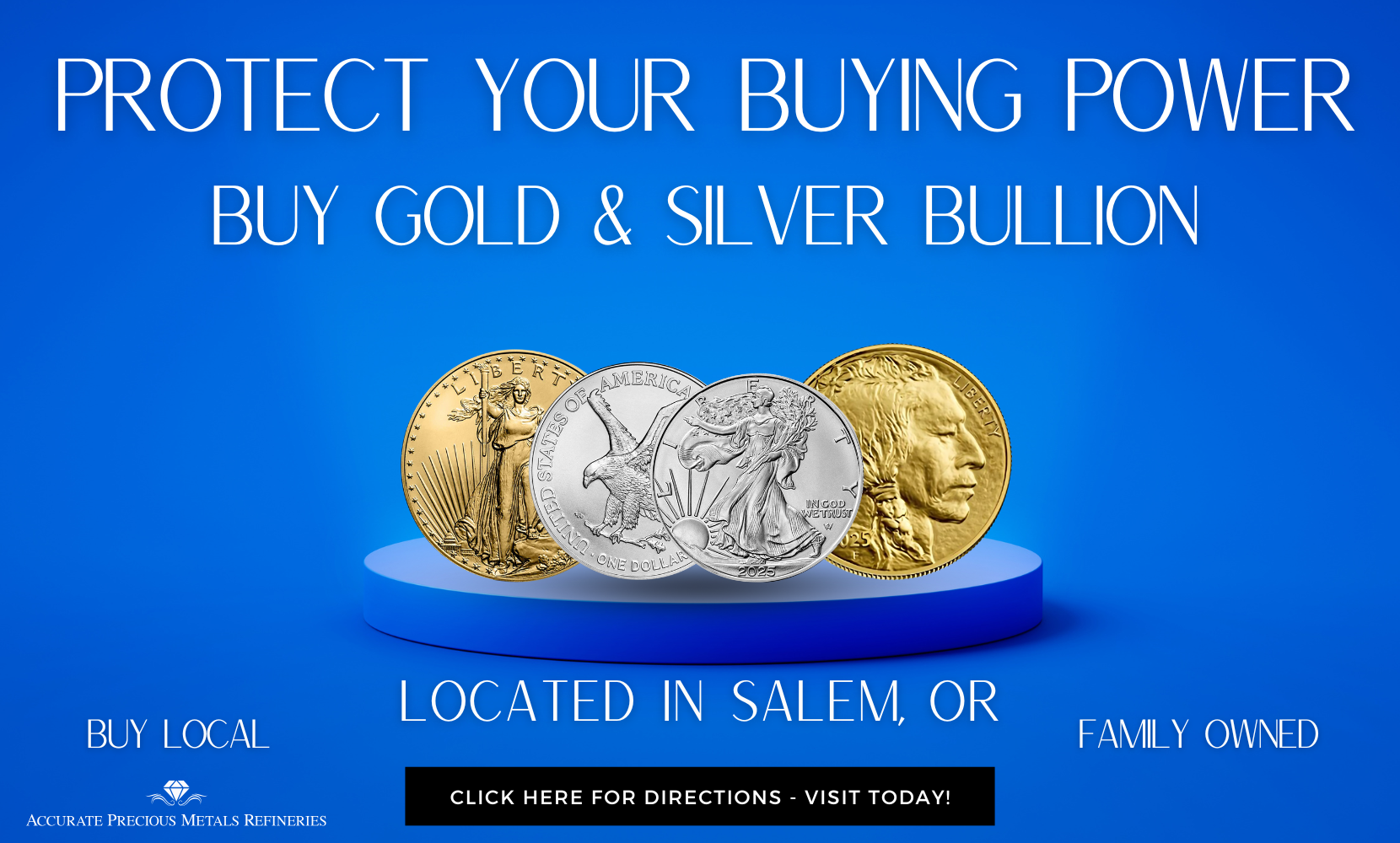
Also, modern silver bullion coins, like the American Silver Eagle or the Canadian Silver Maple Leaf, are popular among investors and collectors due to their high silver purity and beautiful designs. Whether you have a coinage dating back to colonial days or newly minted bullion bars, the team at Accurate Precious Metals will be happy to answer any questions you may have and offer you a competitive quote for your items.


What is the Minting Process for Silver Coins and Bullion?
The minting process of silver coins and bullion begins with pure silver, often extracted from the molten silver after it has been separated from other metals. This raw silver is then alloyed with other metals, typically copper and nickel, to improve its durability. The alloy is then rolled into sheets, from which coin blanks are punched out. These blanks, also known as planchets, are then struck with coin dies to imprint the coin’s design.
Modern bullion coins are often minted using a similar process, but they boast a higher silver content, often .999 fineness. Whether you’re interested in old silver coins with historical significance or new bullion with high silver content, Accurate Precious Metals can provide the expert knowledge and top-dollar rates you seek.
How is Bullion Different from Coins?
While coins are used as currency and have a denomination, bullion is not used for regular transactions and does not have a face value. Bullion, such as bullion bars or bullion coins, is valued primarily for its metal content. Its value is based on the current market price of the metal and the weight of the bullion. For example, silver bullion is typically measured in troy ounces, and its value fluctuates with the price of silver per ounce. Although bullion does not have the numismatic value that coins do, bullion collectors often appreciate their high metal content and purity.
Whether you have gold or silver bullion bars, silver bullion coins, or gold and silver bullion of any other kind, you can trust Accurate Precious Metals to offer the best rates. We’re not a pawnshop; we’re a reputable dealer that specializes in buying precious metals, including silver and gold coins and bullion.
What is Sterling Silver, and How Does it Differ from Pure Silver?
Sterling silver is an alloy made of 92.5% silver and 7.5% other metals, usually copper. This composition gives sterling silver its strength while maintaining the silver’s beauty and luster. Sterling silver is often used in jewelry and silverware due to its durability and appearance. Sterling silver jewelry, such as a sterling silver necklace or bracelet, can be very valuable, especially if it is antique or made by a renowned jeweler.
Pure silver, on the other hand, is too soft for many applications. However, it is highly valued in bullion and coinage due to its high silver content. At Accurate Precious Metals, we buy both sterling silver and pure silver items, offering top dollar rates for both.
Where to Sell Your Silver Coins, Bullion, and Sterling Silver?
Accurate Precious Metals is the perfect place to sell your silver coins, bullion, and sterling silver items. We specialize in purchasing precious metals and pride ourselves on offering better prices than pawnshops. Located in Salem, Oregon, we serve clients nationwide. You can either mail in your items or visit our store. Get in touch with us today for a competitive quote on your precious items.
Summary of Key Points:
- Silver coins, mints, bullion, and sterling silver hold great value due to their silver content, historical significance, and numismatic value.
- The minting process for silver coins and bullion starts with pure silver, which is then alloyed with other metals for durability.
- Bullion is different from coins in that it does not have a face value and is not used as currency. Instead, its value is based on the current market price of the metal and its weight.
- Sterling silver is an alloy made of 92.5% silver and 7.5% other metals, usually copper. It is often used in jewelry and silverware. Pure silver, while too soft for many applications, is highly valued in bullion and coinage due to its high silver content.
- Accurate Precious Metals is a reputable dealer specializing in buying precious metals, including silver and gold coins and bullion, offering top-dollar rates surpassing those of pawn shops. Visit accuratepmr.com for more information!
FAQs
Q: What is the process of melting down silver coins and creating mint silver bullion bars?
A: The process of melting down silver coins involves heating them to a high temperature until they become liquid. This liquid silver is then poured into molds to create mint silver bullion bars.
Q: Can I melt down other types of coins, such as gold coins?
A: Yes, you can melt down other types of coins, including gold coins. However, it is important to note that altering the composition of certain coins may be illegal in some jurisdictions.
Q: What is the value of the silver in a silver coin?
A: The value of the silver in a silver coin is often referred to as the “melt value.” It is determined by the weight of the silver in the coin multiplied by the current market price of silver.
Q: Are there any regulations or legal restrictions on melting down silver coins?
A: Yes, there may be regulations or legal restrictions on melting down silver coins. It is important to check your local laws and regulations before engaging in any activities involving the alteration or destruction of currency.
Q: Can I melt down my silver coin to create new silver jewelry?
A: Yes, you can melt down your silver coin to create new silver jewelry. However, it is advisable to consult with a professional jeweler or artisan who can guide you through the process to ensure the best results.
Q: How can I separate the silver from the other metals in the coin?
A: To separate the silver from the other metals in the coin, you will need to melt it at a high temperature and then use various methods such as refining or assaying to extract the silver. This is a complex process that may require professional assistance.
Q: How much value can I expect to get for my silver coins?
A: The value of your silver coins will depend on a variety of factors, including the current market price of silver, the weight and purity of the silver in the coins, and any numismatic or collectible value the coins may have.
Q: Can you give me a quote for the value of my silver coins?
A: To provide an accurate quote for the value of your silver coins, we would need to assess factors such as the weight, purity, and condition of the coins. Please give us a call or email us with the details of your coins, and we will be happy to provide you with a quote.
Q: What is the Coinage Act of 1792, and how does it relate to melting down silver coins?
A: The Coinage Act of 1792 established the first official system of currency in the United States and specifically defined the composition and value of coins. It is important to understand and comply with the regulations set forth by this act when engaging in activities such as melting down silver coins.
Q: Are collectible silver coins worth more than their melt value?
A: Yes, collectible silver coins may be worth more than their melt value due to factors such as rarity, historical significance, and demand among collectors. It is advisable to have collectible coins appraised by a professional to determine their value.

