

Mastering the buying and selling diamonds guide: key insights

Disclaimer
Accurate Precious Metals is not a financial advisor. We encourage everyone to consult a financial advisor or CPA. They can help determine the best investment strategies. Our mission is to provide educational content about precious metals. Accurate Precious Metals is committed to transparency and reliability. They offer top-tier precious metal products and information.
This information is subject to change due to market fluctuations, world events, and factors beyond our control. Additionally, the content may not fully reflect our company’s values, as personnel, staff, and authorship may change over time.
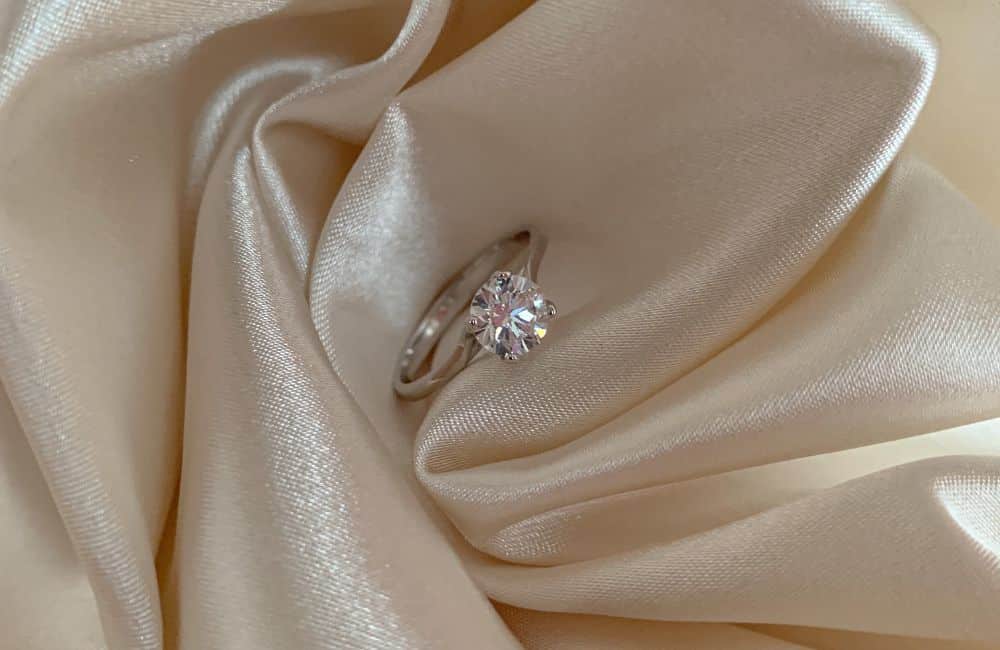
This buying and selling diamonds guide covers everything you need to know before you spend – or receive – serious money on a diamond ring. Whether you’re shopping for an engagement ring, adding to a jewelry collection, or trying to get a fair price for a ring you already own, the process rewards preparation. Diamond rings are not like gold bars or silver coins. The value is layered, the pricing is nuanced, and the difference between a good deal and a bad one often comes down to a few key details.
Understanding those details is not complicated. It just requires knowing what drives diamond value, how the metal setting fits into the picture, and what buyers actually look for when they make offers.
What Makes a Diamond Ring Valuable
A diamond ring has two distinct value components: the diamond itself and the metal setting. Each is priced differently.
The metal is the straightforward part. Gold, platinum, and silver all have spot prices tied to live market data. At current prices, gold sits around $4,572 per ounce, platinum around $1,958 per ounce, and silver around $78 per ounce. A heavy platinum solitaire setting carries real metal value. So does an 18-karat gold band. You can estimate that value based on weight and purity.
The diamond is more complex. Two diamonds of the same carat weight can have wildly different prices depending on cut, color, and clarity. A grading report from a recognized lab like GIA or IGI is the clearest way to establish what a diamond is worth. Without documentation, a buyer has to rely on visual inspection alone, which creates uncertainty – and lower offers.
Brand, design, and condition also matter. A ring from a well-known designer, in excellent condition, with original paperwork, will sell faster and for more than an unbranded ring with no documentation.
The 4Cs: The Core of the Buying and Selling Diamonds Guide
Every serious diamond transaction starts with the 4Cs. These are the standardized quality factors that determine a diamond’s grade and price.
Cut
Cut is the most important factor for beauty and brilliance. It refers to how well the diamond’s facets interact with light. A well-cut stone looks alive. A poorly cut stone looks dull, even if it’s large. Round brilliant cuts are the most popular and easiest to resell. Unusual cuts can be beautiful but may have a smaller buyer pool.
Color
For white diamonds, colorless or near-colorless stones command the highest prices. The GIA color scale runs from D (colorless) to Z (light yellow or brown). Most buyers prefer stones in the D-J range. Fancy colored diamonds – vivid pinks, blues, yellows – operate in a separate market and can be priced very differently.
Clarity
Clarity measures internal flaws (inclusions) and surface blemishes. Fewer visible flaws means higher value. Some inclusions are tiny enough that they don’t affect the stone’s appearance at all. Others are visible to the naked eye and reduce desirability significantly.
Carat
Carat is weight, not physical size. Heavier diamonds generally cost more, but price jumps are not linear. A 2-carat diamond typically costs far more than two 1-carat diamonds of similar quality. This is because larger stones are rarer. Understanding diamond size and carat weight helps buyers compare stones accurately rather than just going by appearance.
Diamond Size Estimator – Accurate Precious Metals Refineries


Types of Diamond Rings and How They Affect Resale
Not all rings sell equally well. Knowing the type of ring you’re buying or selling helps set realistic expectations.
Solitaire rings feature one main diamond with minimal distraction. They’re the easiest to evaluate and tend to resell cleanly because the value is concentrated in a single, gradable stone.
Halo rings surround a center stone with smaller diamonds. They look impressive, but the small accent stones add less resale value than buyers often expect. The center stone still drives most of the price.
Three-stone rings are evaluated primarily by the center diamond, with side stones contributing secondarily.
Engagement rings are the most common resale category. Condition matters a lot here – a ring that shows heavy wear will get lower offers regardless of the stone’s quality.
Vintage and antique rings can carry collector value beyond the diamond and metal if the design is period-accurate, the craftsmanship is notable, or the maker is recognized. These require more specialized buyers but can command strong prices when the right buyer finds them.
Designer or branded rings may carry a premium if the buyer recognizes and values the brand. That premium can shrink significantly in private sales versus brand-affiliated resellers.
Lab-grown diamond rings look similar to natural diamonds but resell for significantly less. The resale market for lab-grown stones is much weaker than for natural diamonds, and prices have dropped sharply as production has scaled up.
How Precious Metal Spot Prices Factor In
The metal in a diamond ring has real, calculable value. A heavy 18-karat gold setting weighing 10 grams contains meaningful gold content at today’s prices. Platinum settings are even more valuable per gram given platinum’s current spot price near $1,958 per ounce.
That said, in most diamond rings, the diamond dominates the total value. The metal is a meaningful component but rarely the primary driver unless the diamond is small or low quality.
When selling a ring, you have a few options. You can sell the whole ring as a unit. You can sell the diamond separately and sell or recycle the metal separately. Or you can sell just the metal if the diamond has little market value. The right approach depends on the stone’s quality and what buyers in your market are willing to pay.
Practical Buying Tips for Diamond Rings
Whether you’re buying from a jeweler, an auction, or a private seller, these steps reduce risk.
Request documentation from GIA or IGI before agreeing to any price. A report confirms the stone’s quality and protects you from misrepresentation.
A smaller well-cut diamond can look more brilliant than a larger poorly cut one. Prioritize cut quality when comparing options.
Look for worn prongs, loose stones, signs of repair, or damage to the band. Setting condition affects both beauty and long-term durability.
Ask for hallmarks or documentation showing the metal type and purity. Gold, platinum, and silver all have different values and care requirements.
For expensive purchases, a second opinion from an independent appraiser is worth the cost.
Reputable sellers stand behind their inventory. A return window reduces your risk if something isn’t right.
For collectors who also track precious metals, it’s worth reading a solid diamond buying guide alongside your usual research on spot prices and premiums.
Practical Selling Tips: Getting a Fair Price
Selling a diamond ring well requires preparation. Rushed sales almost always result in lower offers.
Before You Sell
Gather your grading report and any original paperwork. Get a professional appraisal – but understand that appraisals typically estimate replacement cost, not resale price. Those two numbers are often very different. Clean the ring gently. Take clear photos in natural light from multiple angles.
Decide what you’re selling. Are you selling the whole ring, the diamond only, or the metal only? Each path leads to different buyers and different offers.
Where to Sell
Reputable jewelers and diamond buyers are the most common starting point. Auction houses work well for high-end or unusual pieces. Consignment shops can work if you’re patient. Online platforms with strong buyer protections expand your reach significantly.
Selling a diamond ring online is increasingly practical. When you work with an established buyer who offers insured shipping and transparent evaluation, the process is straightforward regardless of where you live.
What to Avoid
Pawn shops are fast but typically offer the lowest prices. “Cash for gold” style buyers focus on metal weight and often ignore diamond value entirely. Buyers who pressure you to decide immediately are a red flag. Online quotes that change significantly after in-person inspection are also worth avoiding.
Common Misconceptions About Diamond Ring Value
“A diamond ring is always a good investment.” Most retail diamond rings do not appreciate the way buyers expect. They can hold value, but the retail price includes significant overhead that disappears the moment you walk out of the store.
“Bigger always means better.” A smaller diamond with a superior cut can outperform a larger stone with a mediocre cut in both appearance and resale demand.
“My appraisal tells me what I’ll get.” Appraisals are typically written for insurance purposes and reflect replacement cost at retail. Resale offers are usually a fraction of that number.
“All diamonds hold value equally.” Natural, well-cut, properly documented stones hold value far better than uncertified, poorly cut, or lab-grown alternatives.
“The setting doesn’t matter.” The metal, craftsmanship, and brand all influence what buyers will pay. A damaged or heavily worn setting reduces offers, even on a strong diamond.
For a deeper look at what your specific stone might be worth in today’s market, diamond resale value is worth reviewing before you set a price.
Where to Buy and Sell Diamond Rings: Why Accurate Precious Metals Stands Out
Most people think of a precious metals dealer when they want to buy gold or silver. Accurate Precious Metals, based in Salem, Oregon, also handles diamonds and fine jewelry – and has for over 12 years.
With more than 1,000 five-star customer reviews and a reputation built on transparent, competitive pricing, Accurate Precious Metals is not a pawn shop. It’s a specialized dealer that evaluates diamonds and jewelry on their actual merits – stone quality, metal content, documentation, and market demand – rather than pushing for a quick, low offer.
For local customers in Oregon, visiting the Salem location in person is a practical option. You can bring your ring, discuss it with knowledgeable staff, and walk away with a clear picture of what it’s worth and what Accurate Precious Metals can offer.
For customers anywhere in the United States, the mail-in jewelry service makes the process just as accessible. You receive a free insured shipping kit, send your ring safely, and get a professional evaluation and fast payment. There’s no need to drive to a dealer, deal with a pawn shop, or accept pressure from an unknown buyer.
When you’re ready to sell your diamonds or explore what’s available to buy, Accurate Precious Metals offers the combination of expertise, transparency, and convenience that most sellers and buyers don’t find in a single place.
Whether you’re a first-time seller trying to understand what your grandmother’s ring is worth, or a collector building a portfolio that includes both precious metals and diamonds, Accurate Precious Metals has the experience and infrastructure to handle the transaction properly. Reach out at (503) 400-5608 or visit AccuratePMR.com to get started.
Frequently Asked Questions
What is the most important factor when buying a diamond ring?
Cut quality has the biggest impact on a diamond’s appearance. A well-cut stone looks brighter and more lively than a larger stone with a poor cut. Always ask for a grading report and prioritize cut alongside carat weight.
Why is the resale price of a diamond ring lower than what I paid?
Retail prices include store overhead, marketing, labor, and profit margin. When you resell, the buyer needs room to cover their costs and make a profit. That gap between retail and resale is normal, not a sign that something went wrong.
Do lab-grown diamonds hold their value?
Lab-grown diamonds have seen significant price drops as production has increased. Their resale value is generally much lower than natural diamonds, and the gap has widened in recent years.
Does the metal setting affect resale value?
Yes. The metal type and purity contribute directly to total ring value. Platinum and high-karat gold settings add meaningful value at current spot prices. The condition of the setting also affects buyer interest.
How do I know if my diamond ring’s grading report is legitimate?
GIA and IGI both offer online report verification tools. You can enter the report number on their websites to confirm the details match the stone you have.
Can I sell just the diamond without the setting?
Yes. Many sellers choose to sell the diamond separately and either keep or sell the metal setting independently. This can maximize total return in some cases, especially if the diamond is strong and the setting is worn.
Is it safe to sell a diamond ring by mail?
With a reputable buyer who provides insured shipping and a documented evaluation process, yes. Accurate Precious Metals offers a mail-in program with free insured shipping and fast payment for customers across the United States.
Where can I find out more about where to sell diamond rings?
There are several options depending on your location and timeline. For a thorough breakdown of your choices, where to sell diamonds covers the main paths and what to expect from each.


