

Mastering Selling Diamonds and Gold: how buyers price and choose

Disclaimer
Accurate Precious Metals is not a financial advisor. We encourage everyone to consult a financial advisor or CPA. They can help determine the best investment strategies. Our mission is to provide educational content about precious metals. Accurate Precious Metals is committed to transparency and reliability. They offer top-tier precious metal products and information.
This information is subject to change due to market fluctuations, world events, and factors beyond our control. Additionally, the content may not fully reflect our company’s values, as personnel, staff, and authorship may change over time.

Selling diamonds and gold is a process that rewards preparation and punishes impatience. Whether you have an inherited ring, a collection of gold coins, or a loose diamond from a broken engagement, the difference between a fair price and a disappointing one often comes down to knowing how buyers think, where to sell, and what your items are actually worth in today’s market.
This guide takes a different angle from most resources you’ll find online. Instead of simply listing places that buy jewelry, it breaks down the mechanics of how buyers price diamonds and gold separately, which selling channels suit which situations, and how to negotiate confidently. If you want to understand the process – not just find a buyer – this is the guide for you.
Why Selling Diamonds and Gold Requires Two Different Strategies
Most sellers treat a diamond ring as a single item. Professional buyers don’t. They see two separate assets: a metal component with a measurable melt value, and a gemstone with its own market dynamics.
Gold is priced on live spot markets. Right now, gold trades at roughly $4,748 per troy ounce. A buyer will test your piece to determine its purity – expressed in karats or fineness – then multiply the weight by the current spot price, adjusted for purity. A 14K gold chain, for example, is 58.3% pure gold. The math is straightforward once you know the weight and purity.
Diamonds don’t work that way. There’s no global spot price for a 0.85-carat round brilliant with an H color and SI1 clarity. Value depends on the specific combination of carat weight, cut, color, and clarity – the Four Cs – plus market demand for that exact profile. A GIA-graded diamond in a popular configuration will sell faster and command more from a dealer than an unusual cut or poorly graded stone. Popular, standardized diamonds, such as a 1-carat VS1 in G color with GIA documentation, attract higher offers precisely because dealers can move them quickly.
Understanding this separation lets you negotiate intelligently. You can question the gold offer using current spot prices, and you can research comparable diamond sales to evaluate whether a gemstone offer is reasonable.
The Four Main Channels for Selling Diamonds and Gold
Professional Dealers
Dealers buy for resale or material value. Expect offers ranging from 40% to 75% of retail depending on the item. A popular, well-documented diamond or a standard gold bar will sit at the higher end of that range. Obscure cuts or damaged pieces sit at the lower end. Dealers factor in resale time, overhead, and profit margin – that’s not dishonest, it’s just business.
Local Jewelry Stores
Local jewelers are accessible and allow direct conversation with the buyer. If the store employs credentialed appraisers, you have a better chance of receiving a fair, informed offer. Some stores buy for resale; others buy purely for melt and stone value. Ask upfront which approach they use – it affects their offer significantly.
Auction Houses
Auction houses like Sotheby’s use decades of historical sales data to price exceptional pieces. Competitive bidding can push rare stones above their estimated value. This channel suits high-quality, unusual, or historically significant items. For common jewelry, auction fees may outweigh the benefits.
Online Platforms and Mail-In Services
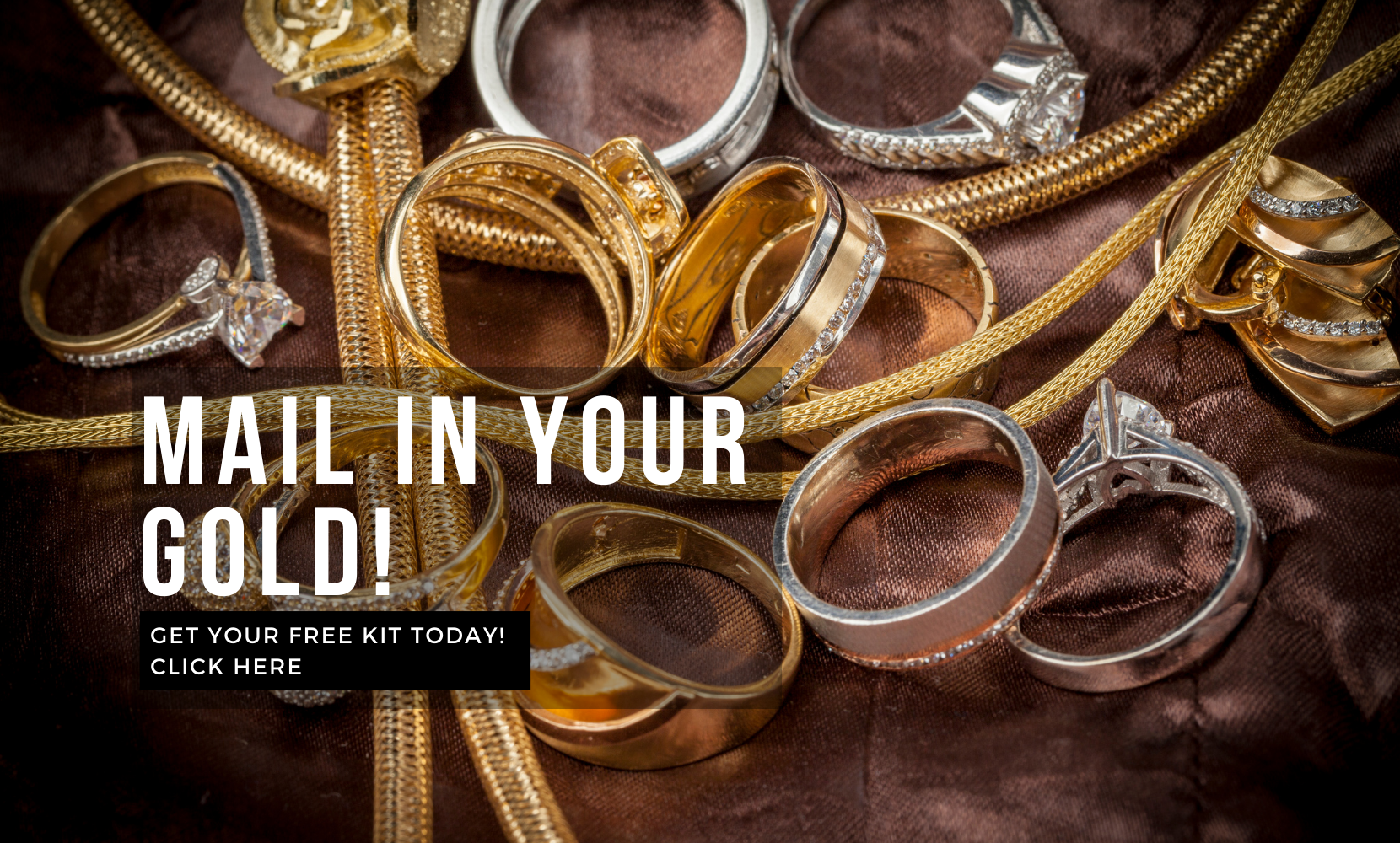
eBay and similar platforms offer direct-to-consumer reach, but many sellers on these platforms are consignment dealers. Reputable mail-in buyers – including specialized precious metals dealers – provide insured shipping, professional evaluation, and fast payment. This is increasingly the preferred channel for sellers outside major cities.
Learn more about finding a reputable gold buyer before committing to any channel.




How Gold Purity Affects Your Offer
Gold purity is the single biggest variable in any gold offer. Buyers test purity using XRF analysis or acid testing, then calculate value based on the result.
| Karat | Purity % | Gold per 10 grams (at ~$153/gram spot) |
|---|---|---|
| 24K | 99.9% | ~$1,530 |
| 18K | 75.0% | ~$1,148 |
| 14K | 58.3% | ~$891 |
| 10K | 41.7% | ~$637 |
These figures are approximate and shift with the spot price daily. The key takeaway: a 10K piece contains less than half the gold of a 24K piece by weight. Buyers adjust offers accordingly. Always ask a buyer to show you their calculation – purity tested, weight recorded, spot price applied. Any reputable buyer will walk you through it without hesitation.
Diamond Valuation: What the Four Cs Mean for Your Offer
The Four Cs – carat, cut, color, and clarity – determine a diamond’s market value. But understanding them in the context of resale is different from understanding them when buying.
Carat is weight, not size. One carat equals 0.2 grams. Larger stones command disproportionately higher prices because they’re rarer.
Cut affects brilliance. A well-cut round brilliant reflects light beautifully and sells quickly. Unusual cuts – marquise, rose cut, old mine – are harder to resell and typically attract lower dealer offers, even if they’re visually striking.
Color is graded D (colorless) through Z (visibly yellow). D-F stones are most valuable. G-J stones offer excellent value and remain popular. Below J, prices drop noticeably.
Clarity measures internal inclusions and surface blemishes. FL (flawless) and IF (internally flawless) stones are rare and valuable. VS1-VS2 stones have inclusions invisible to the naked eye and represent the sweet spot for resale demand.
Live Gold Spot Price – Accurate Precious Metals Refineries
A GIA grading report significantly increases buyer confidence and, by extension, your offer. Without documentation, buyers must assess the stone themselves – and they’ll price in the uncertainty.
Getting a Professional Appraisal Before You Sell
An appraisal is your most important pre-sale tool. A qualified gemologist or certified appraiser examines your items and produces a documented assessment of their characteristics and value. This serves several purposes.
First, it establishes a negotiating baseline. When a buyer quotes you a price, you have a reference point. Second, it protects you from lowball offers disguised as fair market value. Third, it documents what you own – useful for insurance, estate purposes, or future sales.
Find a credentialed appraiser – look for membership in professional organizations or GIA gemologist credentials
Bring all existing documentation – original receipts, grading reports, prior appraisals
Request a replacement value appraisal AND a fair market value appraisal – they differ significantly
Use the fair market value figure as your negotiating floor when approaching buyers
Get at least three buyer quotes and compare them against your appraisal
One important distinction: replacement value (what it costs to replace the item at retail) is typically much higher than fair market value (what a willing buyer would pay a willing seller). Retail jewelry carries markups of 100-300%. When you sell, you’re selling at or below wholesale – not retail. Expecting retail prices leads to frustration.
Common Mistakes Sellers Make – and How to Avoid Them
Accepting the first offer. This is the most expensive mistake. Offers for the same item can vary by 20-30% between buyers. Get at least three quotes before deciding.
Confusing appraisal value with resale value. A $5,000 insurance appraisal does not mean a buyer will pay $5,000. It means replacing the item at retail would cost that much. Resale value is a different number.
Assuming lab-grown diamonds hold value like natural diamonds. They don’t. The resale market for laboratory-grown diamonds is significantly weaker than for natural stones. If you own a lab-grown diamond, factor this into your expectations.
Ignoring condition. Chips, scratches, prong damage, and worn metal all reduce offers. Buyers deduct repair and refinishing costs from their valuations. A piece in excellent condition consistently commands better prices.
Not verifying buyer credentials. Check for business registration, customer reviews, and professional affiliations. Request a detailed purchase receipt listing each item, its tested purity, weight, agreed value, and total payment. Reputable buyers provide this without being asked.
Timing Your Sale: When Market Conditions Matter
Gold prices move daily based on interest rates, inflation expectations, currency movements, and geopolitical events. At today’s spot price of around $4,748 per ounce, gold is near historically elevated levels – a favorable environment for sellers. Waiting for a higher price is speculative; selling when the price is strong is strategic.
Diamond prices are less volatile than gold but do respond to broader economic conditions and shifts in consumer demand. Natural diamonds have held value better than lab-grown alternatives over time, though neither category offers the liquidity of gold.
Monitor spot prices in the days before your sale. A 3-5% swing in gold prices is not unusual over a week, and it can meaningfully affect your offer. Selling on a day when gold is up even slightly can add real dollars to your payout.
Selling Diamonds and Gold Through Mail-In Services
Mail-in selling has become a practical option for sellers who don’t live near a reputable dealer or who prefer the convenience of remote transactions. The process typically works like this: you request a shipping kit, pack your items using the provided insured packaging, and ship them to the buyer. The buyer evaluates the items, presents an offer, and pays promptly – often within a few business days.
The key is choosing a mail-in service with a documented track record, clear evaluation processes, and fast payment. Insured shipping is non-negotiable – never send gold or diamonds without it.
Why Accurate Precious Metals Stands Out for Sellers
Accurate Precious Metals, based in Salem, Oregon, has been buying and selling precious metals for over 12 years. With more than 1,000 five-star customer reviews, the company has built a reputation for transparent, professional transactions – a meaningful distinction in an industry where trust is everything.
Unlike pawn shops, Accurate Precious Metals is a specialized precious metals dealer. That distinction matters. Pawn shops buy and sell everything; their gold and diamond expertise varies. Accurate Precious Metals focuses exclusively on precious metals, diamonds, and jewelry, which means their evaluations are more precise and their offers more competitive.
The company buys an exceptionally broad range of items: gold and silver bullion, gold jewelry of any condition (broken or intact), loose diamonds, diamond rings, scrap gold, dental gold, luxury watches, numismatic coins, and more. If it contains precious metal or a diamond, they’re interested.
For sellers in the Salem, Oregon area, visiting in person is straightforward. You’ll work directly with knowledgeable staff, get your items assessed on the spot, and receive an offer the same day. For sellers anywhere else in the United States, the mail-in service provides the same professional evaluation with insured, prepaid shipping and fast payment.
Accurate Precious Metals also offers GIA-affiliated appraisal services and is an NGC Authorized Dealer – so if you need grading or documentation alongside your sale, that’s available in the same place.
If you’re ready to sell, the two options are simple: visit the Salem, Oregon location in person, or use the mail-in service from anywhere in the United States. Either way, you’ll receive a transparent, itemized offer with no pressure to accept.
Call (503) 400-5608 or visit AccuratePMR.com to get started.
Frequently Asked Questions
What percentage of retail value can I expect when selling diamonds and gold?
When selling to professional dealers, expect offers ranging from 40% to 75% of retail value. The exact figure depends on the item’s characteristics, market demand for that specific profile, and the buyer’s business model. Popular, well-documented pieces tend to command offers at the higher end of that range.
Do I need an appraisal before selling my gold or diamonds?
An appraisal is strongly recommended. It establishes a baseline for negotiation, helps you identify lowball offers, and documents your item’s characteristics. Request a fair market value appraisal specifically – replacement value appraisals are significantly higher and not relevant to resale.
Does a GIA grading report increase what I’ll receive for a diamond?
Yes. GIA documentation gives buyers confidence in the stone’s characteristics without requiring them to independently assess it. This reduces their uncertainty and typically results in a higher offer compared to an undocumented stone of similar quality.
Can I sell broken or damaged gold jewelry?
Yes. Damaged gold is still valued for its metal content. Buyers assess purity and weight regardless of condition. Some damage – chips in gemstones, bent prongs, broken clasps – will affect the overall offer, but broken gold jewelry retains its melt value.
Are lab-grown diamonds worth selling?
Lab-grown diamonds can be sold, but their resale market is weaker than for natural diamonds. Expect lower offers relative to original purchase price. The gap between retail and resale is typically wider for lab-grown stones than for natural ones.
How does the mail-in selling process work at Accurate Precious Metals?
You request a mail-in kit, pack your items using insured packaging, and ship them to Accurate Precious Metals. Their team evaluates the items, presents a transparent offer, and processes payment quickly. Shipping is insured, so your items are protected in transit.
Is now a good time to sell gold?
With gold trading near $4,748 per ounce – historically elevated levels – the current environment is favorable for sellers. Prices fluctuate daily, so monitoring the spot price in the days before your sale can help you time your transaction advantageously.
What’s the difference between a pawn shop and a precious metals dealer?
Pawn shops buy and sell a broad range of items and may have limited expertise in precious metals. Specialized dealers like Accurate Precious Metals focus exclusively on gold, silver, diamonds, and related items, resulting in more accurate evaluations and typically more competitive offers.
Sources
- Sotheby’s – Diamond Sales and Auction Market Insights
- PriceScope – Dealer Pricing and Diamond Market Data
- American Gem Society – Selling Jewelry and Finding Buyers
- Miller Hirsch – Buyer Evaluation and Transparent Pricing Practices
- Mark Schneider Design – Gold Market Conditions and Pricing Variables
- APMEX Learn Center – Gold and Diamond Valuation Mechanics


