

Mailing gold vs local shop: which option yields a higher payout

Disclaimer
Accurate Precious Metals is not a financial advisor. We encourage everyone to consult a financial advisor or CPA. They can help determine the best investment strategies. Our mission is to provide educational content about precious metals. Accurate Precious Metals is committed to transparency and reliability. They offer top-tier precious metal products and information.
This information is subject to change due to market fluctuations, world events, and factors beyond our control. Additionally, the content may not fully reflect our company’s values, as personnel, staff, and authorship may change over time.
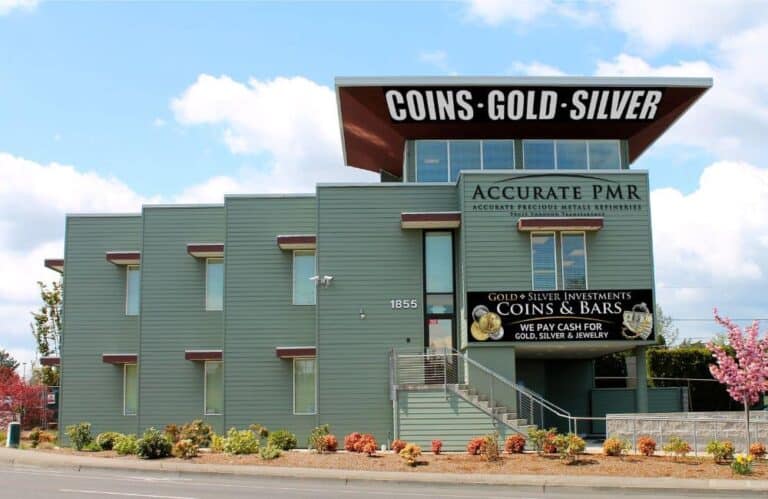
When weighing mailing gold vs local shop selling, most people assume the local route is safer, faster, and more profitable. That assumption is often wrong. For sellers across the United States, mailing gold to a reputable dealer frequently delivers a better price, a smoother process, and far less pressure than standing at a local counter hoping the buyer is being straight with you.
This guide breaks down why the mail-in model has gained so much ground, what the real numbers look like, and how to decide which option fits your situation. Whether you have a handful of old jewelry, a few bullion coins, or a collection built over decades, the choice between mailing and walking in matters more than most people realize.
The Core Difference: Overhead and What It Costs You
Local coin shops and gold buyers carry real costs. Rent, staff, insurance, display cases, and security systems all eat into their margins. To stay profitable, they pass those costs along – usually by offering sellers less than an online mail-in buyer would, and charging buyers more.
Online dealers and mail-in programs operate differently. They run leaner operations, process higher volume, and are not anchored to a single ZIP code. That efficiency translates directly into better offers for sellers.
The math is straightforward. With gold sitting at $4,151 per ounce at the time of writing, a local buyer offering 60-70% of spot value would hand you somewhere between $2,490 and $2,906 for a one-ounce coin. A reputable mail-in service, working closer to current market rates, can offer meaningfully more – competitive offers based on current spot prices. The gap widens as the weight of your sale increases.
Mailing Gold vs Local Shop: A Head-to-Head Look




What the Premiums Actually Look Like for Buyers
The premium – the amount paid above the spot price – is where online dealers consistently beat local shops for buyers too. Local shops need higher margins to cover their fixed costs, so they charge more per ounce when you buy.
At $4,151/oz gold at the time of writing, consider the difference:
| Purchase Type | Online Premium | Price Per oz | Local Premium | Price Per oz |
|---|---|---|---|---|
| 1 oz Gold Coin (online) | 3-5% | $4,275-$4,358 | 8-12% | $4,483-$4,649 |
| 1 oz Gold Bar (online) | 2-4% | $4,234-$4,317 | 7-10% | $4,441-$4,566 |
| Silver (per oz at $63) | 4-6% | $65-$67 | 8-12% | $68-$71 |
On a $10,000 purchase, that premium difference can mean $300-$700 more out of your pocket at a local shop versus buying online. Over time, those dollars add up fast.
Gold coins and gold bars both carry premiums, but bars typically run leaner – making them a popular choice for buyers focused purely on metal content rather than collectibility.
The Safety Question: Is Mailing Gold Actually Risky?
This is the concern that stops most people from trying the mail-in route. The short answer: with the right steps, mailing gold is very safe.
Reputable dealers provide insured shipping kits. Your items are covered for their full value during transit. Services like USPS Registered Mail and UPS with declared value insurance have handled millions of dollars in precious metals without incident. The key is using a dealer that provides proper documentation and a trackable, insured shipment method.
Safe shipping tips for mailing gold come down to a few non-negotiables: photograph everything before you pack it, use the insured kit your dealer provides, and never drop a package at an unattended location. Keep your tracking number until payment clears.
The Federal Trade Commission advises checking any dealer’s reputation through search engines and consumer advocacy ratings before sending anything. Look for dealers with years of established history, verifiable reviews, and a physical address – not just a website.
How the Mail-In Process Actually Works
The process is simpler than most people expect. Here is what a typical mail-in transaction looks like with a reputable dealer:
Contact the dealer and request a free insured shipping kit. Most reputable dealers send these at no cost.
Describe your items (weight, karat, type) for an initial estimate before you ship anything.
Photograph everything. Use the provided packaging and seal it securely.
Drop off at the designated carrier location. Keep your tracking number.
The dealer evaluates your items and presents a formal offer, usually within 1-2 business days.
If you accept, payment is issued quickly. If you decline, your items are returned.
That last point matters. A trustworthy mail-in program does not hold your gold hostage. If you reject the offer, your items come back. Any dealer who makes returning your items difficult or costly is a red flag.
Live Gold Spot Price – Accurate Precious Metals Refineries
What You Can Sell Through a Mail-In Program
Mail-in is not just for bullion coins. Reputable dealers accept a wide range of precious metal items, including things local shops may not want to bother with.
- Bullion coins – American Eagles, Canadian Maple Leafs, Austrian Philharmonics, and more. Online dealers handle every mint year and variety.
- Gold and silver bars – From 1 gram to 1 kilogram, from refiners like PAMP, Valcambi, and others.
- Scrap gold and silver – Broken chains, mismatched earrings, bent rings. Metal content is what counts, not condition.
- Gold and silver jewelry – Any karat, any style, intact or damaged.
- Dental gold – Crowns, bridges, and other dental scrap with gold content.
- Silverware and flatware – Sterling silver sets, serving pieces, hollowware.
- Numismatic coins – Collectible coins valued for rarity and grade, not just melt value.
- Luxury watches – Brands with precious metal cases or movements.
For a closer look at what the selling process looks like for jewelry specifically, selling gold jewelry tips walks through the key steps to getting a fair price regardless of where you sell.
When a Local Shop Still Makes Sense
The mail-in model wins on price and convenience for most sellers. But local shops are not without value.
If you have a single small item and need cash today, a local shop delivers immediacy that no mail-in program can match. If you are a collector who enjoys the social side of the hobby – talking coins, examining pieces in person, building relationships with other enthusiasts – a good local coin shop provides that experience. Some collectors also prefer the privacy of a cash transaction with no paper trail.
The relationship angle is real. A local dealer who knows you may give you better deals over time, tip you off to interesting pieces, or offer to look at items that a mail-in program might not prioritize. For frequent buyers and sellers, that relationship has value.
The honest summary: for one-off sales, larger quantities, or sellers who are not local to a trusted dealer, mail-in wins on price and process. For collectors who buy and sell regularly in one area, a solid local relationship can complement the mail-in option rather than replace it.
Avoiding Common Traps
Not every mail-in service is reputable. “Cash for Gold” operations – often advertised heavily on TV or with prepaid envelopes – are notorious for low offers and opaque processes. Some send a check immediately after receiving your items, banking on the fact that you will not bother returning it for a better offer.
Watch for these warning signs:
- No physical business address listed
- No verifiable customer reviews from independent platforms
- No clear policy on returning your items if you decline the offer
- Vague or missing information about how they assess metal content
- Promises of “top dollar” with no reference to current spot prices
For a deeper look at evaluating mail-in programs, evaluating mail-in gold selling safety covers what separates trustworthy programs from questionable ones.
Spot Prices and Why They Matter to Your Sale
Every offer you receive – whether from a local shop or a mail-in dealer – should be anchored to the current spot price. Spot price is the live market price for one troy ounce of a given metal.
At the time of writing:
- Gold (XAU): $4,151/oz
- Silver (XAG): $63/oz
- Platinum (XPT): $1,607/oz
- Palladium (XPD): $1,263/oz
These prices move constantly. A local buyer using yesterday’s data – or deliberately quoting an outdated price – is effectively taking money out of your pocket. Reputable online dealers update their pricing in real time, so the offer you receive reflects what the market actually says your metal is worth right now.
Always ask any buyer what spot price they are using as their baseline. If they cannot or will not answer, walk away.
Why Accurate Precious Metals Is the Right Choice
Accurate Precious Metals, based in Salem, Oregon, has been in business for over 12 years and has earned more than 1,000 five-star customer reviews. That track record reflects a consistent approach: fair offers, fast payment, and a process built around the seller’s experience rather than pressure tactics.
Unlike pawn shops or generic gold buyers, Accurate Precious Metals is a specialized precious metals dealer. The difference matters. Specialized dealers understand metal content, market pricing, and the difference between a bullion coin and a numismatic piece. That expertise means sellers get evaluated by someone who actually knows what they are looking at.
For sellers anywhere in the United States, the mail-in program is the most convenient option. Accurate Precious Metals provides a free insured shipping kit, so your items are protected from the moment they leave your hands. Once received, items are assessed for metal content and evaluated against current spot prices. You receive a competitive offer – and if you choose not to accept it, your items are returned. No pressure, no games.
If you are local to Salem, Oregon, you are welcome to bring your items in person. The team handles everything from scrap gold and broken jewelry to bullion bars and rare coins – in person or by mail.
Sell my gold through the mail-in program or visit the Salem location directly. Either way, you are dealing with a dealer that has spent over a decade building a reputation for doing right by its customers.
For sellers who want to understand the full picture before committing, how to get the best price for gold is a practical resource covering what to look for in any buyer, local or remote.
Frequently Asked Questions
Is it safe to mail gold to a dealer?
Yes, when you use a reputable dealer that provides insured shipping. Document your items with photos before packing, use the insured kit provided, and keep your tracking number until payment is confirmed. Reputable dealers handle millions of dollars in mailed metals annually without incident.
How do I know if a mail-in gold buyer is legitimate?
Look for a verifiable physical address, independent customer reviews, a clear policy on returning items if you decline their offer, and pricing anchored to current spot prices. The FTC recommends searching the dealer's name and reading customer experiences before sending anything.
Will I get more money mailing in my gold than selling locally?
In most cases, yes. Local buyers carry higher overhead and often offer a lower percentage of spot value to cover their costs. Mail-in programs with larger operations can offer more competitive prices based on current market rates.
What types of gold can I mail in?
Most reputable dealers accept bullion coins, gold bars, scrap gold, jewelry of any karat, dental gold, silverware, and numismatic coins. If you are unsure whether your item qualifies, contact the dealer before shipping.
How long does the mail-in process take?
Typically 3-7 business days from the time your package arrives. Most dealers evaluate items within 1-2 business days and issue payment quickly after you accept the offer.
What happens if I do not accept the offer?
A reputable dealer will return your items at no cost to you. If a dealer makes returning items difficult or charges fees for declining, that is a red flag.
Does Accurate Precious Metals accept items other than gold?
Yes. Accurate Precious Metals buys gold, silver, platinum, palladium, diamonds, jewelry, luxury watches, coins, bars, scrap metal, dental gold, and silverware – both in person at their Salem, Oregon location and through their nationwide mail-in program.
Sources
- Hero Bullion – Should I Buy Gold from an Online Dealer or Local Dealer?
- U.S. Money Reserve – Should I Buy Gold Locally?
- Shop Earth Treasures – Local Gold Buyer vs. Online Mail-In Services
- Reddit r/Gold – Buying from an Online Retailer vs. Local Coin Shop
- Oakton Coins – Online vs. Local Dealer Comparison

