

Magnet Test: Is Your Silver Magnetic or Real Silver?

Disclaimer
Accurate Precious Metals is not a financial advisor. We encourage everyone to consult a financial advisor or CPA. They can help determine the best investment strategies. Our mission is to provide educational content about precious metals. Accurate Precious Metals is committed to transparency and reliability. They offer top-tier precious metal products and information.
This information is subject to change due to market fluctuations, world events, and factors beyond our control. Additionally, the content may not fully reflect our company’s values, as personnel, staff, and authorship may change over time.
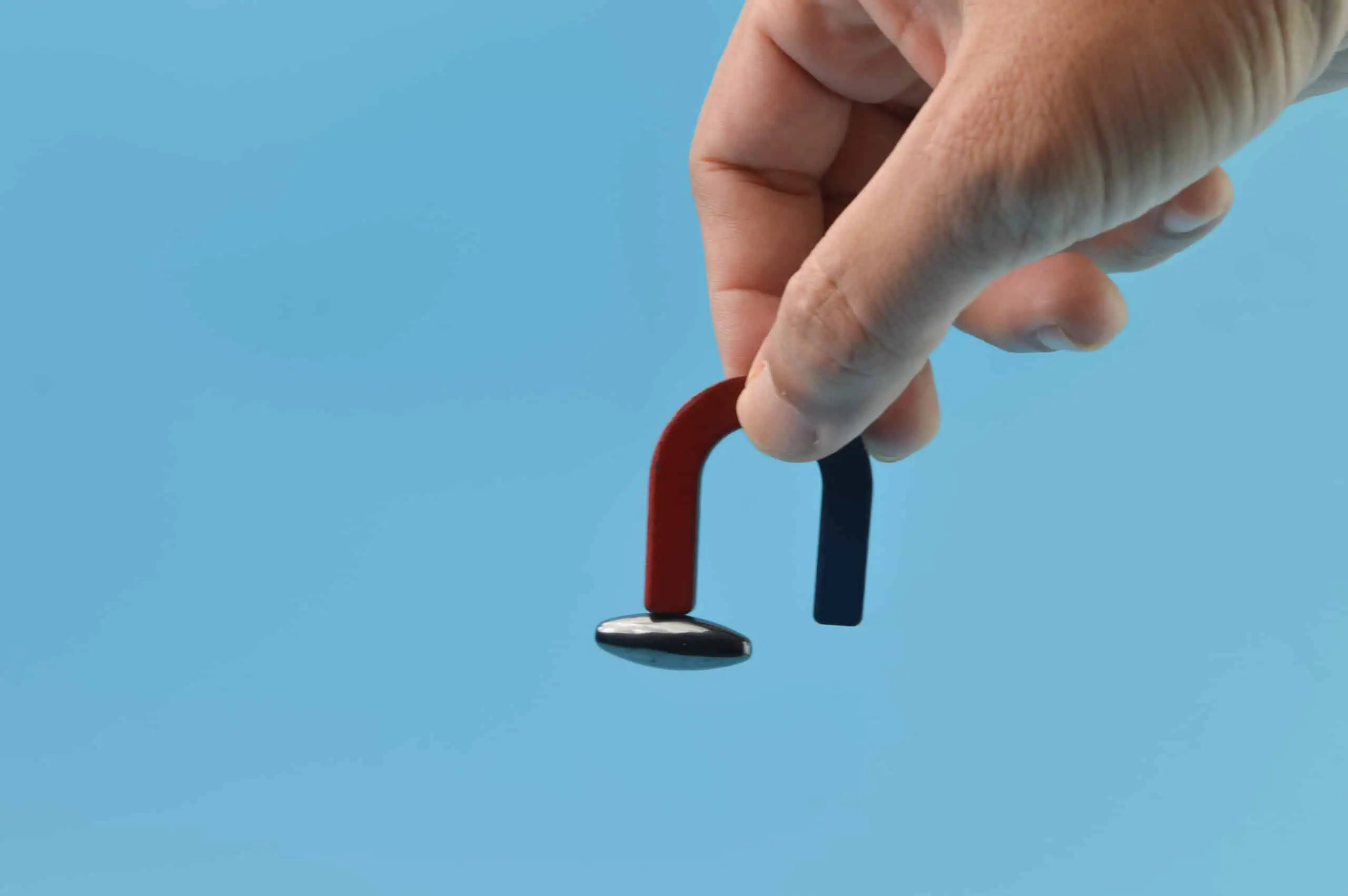
Are you unsure if your silver is genuine or just a clever imitation? In this article, we’ll explore the magnet test, a simple method to determine whether your silver is real or fake. Understanding the characteristics of real silver versus fake silver can save you time and money and help you make informed decisions about your precious metal investments.
Understanding the determination and updating of silver’s market value involves a few critical steps. Silver prices are primarily influenced by global market forces, including supply and demand dynamics, geopolitical events, and economic indicators. Major financial institutions and organizations like the London Bullion Market Association (LBMA) and COMEX set benchmark prices through trading activities and futures contracts.
Key Factors Influencing Silver Prices
- Supply and Demand: Changes in industrial applications, jewelry demand, and mining production heavily impact silver’s market value.
- Geopolitical Events: Political stability, currency fluctuations, and international trade policies can cause price volatility.
- Economic Indicators: Inflation rates, interest rates, and the strength of the U.S. Dollar often play significant roles.
Updating Silver Prices on Websites
To ensure accuracy, many financial websites and trading platforms offer real-time updates:
- Automated Systems: These platforms use sophisticated algorithms to track market transactions and adjust silver prices based on the latest data.
- Hourly Refreshes: Websites frequently update prices each hour to reflect real-time market changes, providing investors and buyers with the most current information available.
By staying informed with these resources, individuals interested in silver investments can make more educated decisions based on the most recent market trends.
What is the History of Silver Mining and Production?
The story of silver mining stretches back thousands of years, beginning when humans first extracted silver ores from beneath the earth’s surface. This ore — where valuable metals are found embedded in rock — undergoes a process of extraction and refinement to liberate pure silver.
Ancient Beginnings
Silver mining can trace its roots to around 3,000 BC in the region of Anatolia, now known as modern-day Turkey. This early mining effort laid the groundwork for subsequent advancements in extraction techniques. As civilizations advanced, so did their methods, eventually fueling a growing demand for this versatile metal.
The Age of Exploration
The allure of silver spurred many expeditions, most notably by the Spanish during the Age of Exploration. As silver coins became pivotal to global trade, fleets set sail to procure silver from new lands, significantly impacting trade and currency systems.
The Nevada Boom
In the United States, Nevada became the epicenter of silver production in the 1870s. This period marked a pinnacle, with annual production peaking at over 120 million troy ounces at the close of the 19th century. Silver’s prevalence during this time was so pronounced that its influence was felt across various industries.
A Shift in Strategy
However, by the early 1960s, silver mining faced challenges in the U.S., leading to a reduction in its usage for coinage by the government. This shift was a response to dwindling reserves and economic pressures, marking a significant change in how silver was incorporated into daily commerce.
Modern-Day Giants
Today, the silver mantle has been passed to nations such as Mexico, China, and Peru, which now top the list as the largest producers of silver. These countries continue to develop modern techniques for efficient silver extraction and production to meet global demand.
Thus, the history of silver mining and production showcases a journey filled with technological advancements and global exploration, shaping economies and cultures along the way.
Understanding the Magnet Test for Silver
The magnet test is one of the most straightforward methods to check if a silver item is real silver or not. Real silver, especially sterling silver, is classified as a non-magnetic material due to its diamagnetic properties. When you bring a magnet close to a genuine silver item, it should not be attracted to it. If the item is attracted to the magnet, it likely contains other metals, which could indicate that it’s fake silver.
The test uses common neodymium magnets, which are strong and can easily reveal whether a piece of jewelry or a coin is genuine. By understanding how magnetism works, you can differentiate between real silver and metals like gold and nickel that may be used as a base for counterfeit pieces.
How Does the Market Value of Silver Influence the Selling Price of Silver Items?
Understanding the selling price of silver items involves more than just an object’s craftsmanship or rarity. A critical factor is the market value of silver, which significantly impacts what buyers are willing to pay.
The Role of Market Value
The market value of silver is set by global trading markets like COMEX and LME (London Metal Exchange). This value fluctuates based on various factors, including:
- Supply and Demand: When demand spikes or supply drops, prices tend to rise.
- Economic Indicators: Inflation rates, currency strength, and geopolitical events can all influence silver’s market value.
- Market Trends: Investment trends, such as increased interest in precious metals, can drive prices up.
Direct Impact on Selling Price
When silver’s market value increases:
- Price Adjustments: Jewelers and dealers adjust their pricing to reflect the current value. Higher market prices typically result in higher selling prices for items containing silver.
- Consumer Demand: Some buyers may become willing to pay more if they believe silver prices will continue to rise, viewing silver as a solid investment.
Conversely, if the market value decreases, so does the price consumers are likely to pay. Sellers need to remain competitive, which often results in lower pricing to attract buyers.
Evaluating Silver Items
A knowledgeable team at any reputable establishment will evaluate the fine details of your silver items. They’ll consider factors such as:
- Weight and purity of the silver content
- Historical significance or any unique features
- Current market value trends
By understanding these dynamics, you can better appreciate the pricing strategies behind silver items, ensuring informed buying or selling decisions.


Is Sterling Silver Magnetic?
Sterling silver, which typically consists of 92.5% silver and 7.5% other metals like copper, is not magnetic. The non-magnetic nature of sterling silver makes it a popular choice in jewelry and silver coins. If you perform the silver magnet test on a piece of sterling silver, you will find that it does not respond to the magnet.
However, some sterling silver items may be plated with other magnetic metals. This is why conducting a thorough investigation into the specific item is essential. Always consider the item’s composition and any markings indicating its authenticity.
Understanding Silver Plating: How It Differs from Genuine Silver
Silver plating is a process where a thin layer of silver is applied to a less expensive metal. This technique gives the item the appearance of solid silver without the associated cost. Metals commonly used under the silver coating include copper, nickel silver, aluminum, titanium, and steel. Occasionally, even non-metallic materials like porcelain or glass get the silver treatment.
A Brief History of Silver Plating
The practice of silver plating dates back to the 18th century. It was pioneered by Thomas Boulsover, a cutlery maker who discovered how to bond a delicate layer of silver onto cheaper metals. This innovation led to the creation of what became known as Old Sheffield Plate, originating from the city of Sheffield in the UK.
Distinct From Solid Silver
The key distinction between silver plating and solid silver lies in composition and value:
- Composition: True silver items are made entirely of silver, whereas silver-plated pieces have only a surface coating of the metal.
- Resale Value: Due to the minimal silver content, silver-plated items do not hold the same resale value as solid silver.
Modern Techniques and Applications
Today, silver plating is often achieved through electroplating. This advanced method involves an electric current to deposit silver atoms onto the desired surface, resulting in a consistent and durable coating.
Silver plating offers several practical advantages. It resists corrosion, is easy to solder, and is cost-effective. These properties make it ideal for use in electronics, jewelry, and kitchenware, where high conductivity and aesthetic appeal are needed.
The Bottom Line
While silver plating provides a visually similar alternative to solid silver, it lacks the intrinsic value of genuine silver pieces. Whether for decorative purposes or functional applications, understanding these differences ensures informed decisions when selecting between silver-plated items and solid silver.
What if Your Silver is Attracted to a Magnet?
If your silver item is attracted to a magnet, it suggests that it contains magnetic metals, which may indicate that it is not real silver. Many counterfeit silver items contain nickel or other ferromagnetic materials to reduce production costs while imitating the look of silver.
It’s important to note that some silver-plated items may also have a magnetic core. In such cases, the outer layer may look like silver, but the core material could be a magnetic metal. Understanding the composition of your piece will help you determine its authenticity.
Historical Techniques for Silver Plating
Silver plating, the method of coating a less valuable metal with a layer of silver, has a rich history with techniques evolving over time.
1. Fusion Plating in the 18th Century
The earliest recorded technique for silver plating dates back to around 1740. Developed by a cutlery maker, Thomas Boulsover, this method involved fusing thin sheets of silver onto a base metal like copper or brass. By doing so, artisans could create items that looked like solid silver but were far more economical. These fusion plates became so synonymous with Sheffield, England, where many were produced, that they were called “Old Sheffield Plate.”
2. The Legal Controversy and Regulation
Early makers of silver-plated items would often use marks similar to hallmarks reserved for pure silver items. This led to confusion and legal disputes. In 1773, an attempt to stop this practice by the London Silversmiths failed, but a compromise required makers to include their names, thus differentiating plated items from genuine silver.
3. The Advent of Electroplating
In contemporary times, electroplating has become the primary method for silver plating. This scientific process involves immersing the base metal in a solution and using electrical current to deposit silver atoms onto the surface. The electricity causes positively charged silver ions in the solution to adhere to the negatively charged base metal, creating a fine layer of silver.
These historical techniques show how silver plating has evolved from manual fusion methods to precise electroplating, offering a blend of tradition and technology in crafting silver-coated items.
What is Electroplating and How Does It Work in Silver Plating?
Electroplating is a fascinating scientific process used to coat objects with a layer of metal, and when it comes to silver plating, this technique takes center stage.
The Process of Electroplating
At its core, electroplating involves the use of electrical current to deposit a metal layer onto a surface. Here’s how it typically works:
- Preparation: The item to be plated, often made from materials like copper, steel, or nickel, is thoroughly cleaned to ensure the metal adheres properly.
- Electrolytic Bath: The object is submerged in an electrolytic solution containing metal ions — in this case, silver ions. This solution acts as the medium in which the electroplating occurs.
- Electrical Current: Once the object is in place, an electrical current is introduced between electrodes. The object to be plated serves as the cathode (negatively charged), while the anode (positively charged) usually contains the metal to be deposited, like a silver rod.
- Metal Deposition: As the current runs through the solution, silver ions in the electrolyte gain a positive charge. These ions migrate toward the negatively charged object and adhere to its surface, forming a uniform metal coating.
Advantages of Electroplating in Silver Plating
- Uniformity and Precision: The process provides a smooth, even coat, preserving intricate details of the base material.
- Cost-Effective: By using a base metal and adding only a thin layer of silver, it provides the appearance of solid silver at a fraction of the cost.
- Durability: Enhances the longevity of items by providing added protection against corrosion and wear.
Electroplating revolutionized the way metals are finished, offering an efficient and consistent method to achieve the lustrous allure of silver on everyday objects. Through this modern technique, silver plating continues to add both beauty and functionality to a wide array of products.
The Benefits and Drawbacks of Silver Plating
Silver plating is a process where a thin layer of real silver is applied to a less expensive metal, creating the appearance of solid silver. But why opt for silver plating, and what should you be cautious about?
Benefits of Silver Plating
- Cost-Effective Elegance: Silver plating offers a luxurious look without the cost of solid silver, making it a budget-friendly option for many consumers.
- Corrosion Resistance: One of its greatest strengths is its resistance to corrosion, which helps in preserving the aesthetic appeal and longevity of products.
- Soldering Ease: The metal is easy to work with when joining components, which is especially beneficial in electronics and intricate jewelry designs.
- Conductivity: Silver provides excellent electrical conductivity, making it a preferred choice for components in electronic devices and generators.
- Versatility: You’ll find silver plating in a wide range of products like jewelry, kitchenware, and tech gadgets, given its blend of beauty and practicality.
Drawbacks of Silver Plating
- Lack of Value: While it looks like silver, silver-plated items don’t hold the same intrinsic value or resale potential as pure silver.
- Potential Confusion: Historically, and occasionally even today, identifying plated pieces can be confusing due to misleading markings or lack of clear identification.
- Wear and Maintenance: Over time, the silver coating may wear away or tarnish, requiring periodic re-plating or cleaning to maintain its appearance.
- Durability Concerns: Compared to solid silver, the plated layer is more susceptible to scratching and abrasion, which could reveal the metal beneath.
- Environmental Impact: Although less notable, the electroplating process involves chemicals and electricity, which have environmental considerations.
Silver plating comes with both advantages and limitations. While it’s an affordable and practical alternative to pure silver, understanding its drawbacks is crucial for consumers looking to make informed decisions.
Can Silver be Magnetic?
Silver itself is classified as a diamagnetic material, which means it does not exhibit magnetism under normal circumstances. This property is critical during the magnet test, as it confirms that pure silver will not attract to a magnet.
However, the presence of other metals in an alloy can alter its magnetic properties. For example, some alloys might contain iron or cobalt, which are magnetic. Therefore, when testing silver items, it is crucial to consider the entire alloy composition to assess their authenticity accurately.
What are the Different Testing Methods for Silver?
Besides the magnet test, several other methods exist for testing silver authenticity. These include acid tests, electronic testing methods, and X-ray fluorescence analysis. Each method offers varying degrees of accuracy and ease of use.
The acid test involves applying a small drop of acid to the silver item and observing the reaction while electronic testers measure the metal’s electrical conductivity. X-ray fluorescence is a more advanced test that analyzes the item’s elemental composition without damaging it. Understanding these testing methods can help you decide which best suits your needs.
What is the Difference Between Real Silver and Fake Silver?
Real silver, or pure silver, has a fineness of .999, meaning it is 99.9% pure. Sterling silver contains 92.5% silver, while the remainder consists of other metals for added strength. Fake silver, on the other hand, may be made from a variety of materials that mimic the appearance of silver but lack its authenticity.
Many counterfeit items use alloys that can include metals like nickel or copper, which could be magnetic. The distinguishing features of real silver include its weight, color, and the absence of magnetism, making the magnet test a simple yet effective method for differentiation.
Do Silver Coins Contain Magnetic Metals?
Most silver coins, especially those minted from pure silver or sterling silver, do not contain magnetic metals. However, some modern coins may incorporate metals like nickel or copper, affecting their magnetic properties. For instance, U.S. coins made after 1965 may contain a mix of copper and nickel, making them magnetic.
When assessing silver coins, always check the coin’s date and minting process. Older coins typically contain higher silver content and are less likely to include magnetic metals. This knowledge helps identify genuine silver coins from counterfeit ones.
How to Identify Fake Silver?
Identifying fake silver can be challenging, especially with the increasing sophistication of counterfeiters. Besides the magnet test, you can look for specific markings or hallmarks that indicate silver purity. Familiar hallmarks include “925” for sterling silver and “999” for pure silver.
Understanding Hallmarks
A hallmark is a stamp found on most authentic silver pieces set for retail, providing a reliable method for verifying authenticity. These markings are typically located on the underside of handles, inside rings, or on the tag of a necklace. Knowing where to look is crucial when examining a piece.
What Do Hallmarks Indicate?
- Purity Indicators: Hallmarks like “Ster” or numeric values such as “.925” signify the silver content. For instance, “.925” means that 92.5% of the metal is pure silver, with the remainder usually consisting of an alloy like copper for added durability.
- Additional Embellishments: Some hallmarks come with logos or symbols, offering additional verification cues.
The Maker’s Mark
Much like an artist signing their painting, silversmiths often include a maker’s mark on their creations. This could be their initials or a studio stamp, adding another layer of authenticity.
By understanding and identifying these hallmarks, you can better assess the authenticity of silver pieces, ensuring that your purchases are genuine and of high quality.
What Are the Benefits of Testing Silver?
Testing silver offers numerous benefits, especially for collectors or investors in precious metals. First, it helps verify the authenticity of your silver items, ensuring that your investments are genuine. Second, it allows you to identify the proper value of your silver items, which is crucial if you plan to sell or trade them in the future.
To determine the authenticity and value of your silver items, consider the following methods:
Search for Hallmarks
- Identify the Stamp: Look for a hallmark, a small stamp on most authentic silver pieces set for retail. Hallmarks are typically found on the underside of handles, inside rings, or on the tags of necklaces.
- Understand the Markings: These stamps often indicate the purity of the silver. For example, ‘Ster’ or ‘.925’ signifies sterling silver, meaning the item is 92.5% pure silver, with the remainder usually being copper for added durability.
Use a Magnet
- Magnetic Test: Authentic silver is not magnetic. Use a magnet to test your item; if it sticks, the piece may not be pure silver.
Look for the Maker’s Mark
- Signature of Craftsmanship: Like an artist’s signature, a maker’s mark can provide insight into the authenticity of your silver. This mark often includes the initials of the silversmith or the studio’s stamp.
Seek Professional Evaluation
- Expert Assessment: For absolute verification, consider having your items professionally evaluated. Experts can use advanced technology like XRF (X-ray fluorescence) to determine the exact composition and purity of the silver.
Consulting a professional ensures precision and peace of mind, especially with the potential for errors in self-assessment. Professionals offer in-person evaluations, providing a personalized approach to accurately determine the value of your silver pieces.
They utilize cutting-edge technology not typically available to the general public, which enhances the accuracy of their assessments. Moreover, professionals keep a close watch on the ever-changing silver market, ensuring you receive the most current and fair valuation.
Beyond technical expertise, engaging with a knowledgeable team offers transparency and genuine customer service. This experience not only verifies the authenticity and worth of your items but also builds trust and confidence in the process.
Explore the Benefits of Professional Services
- Network of Buyers and Sellers: Engaging with professionals can connect you to an extensive network of buyers and sellers, potentially securing the best purchase price for your items. This network is invaluable for those looking to maximize the value of their silver jewelry, coins, bullion, and more.
- Free Evaluation Services: Many experts offer free evaluations to discuss the authenticity and value of your pieces. This service ensures you receive the most accurate information and the best advice for any potential transaction.
Stay Informed on Market Value
- Market Awareness: Keep an eye on the market value of silver. Being updated with the latest prices ensures you are informed and can make the best decisions regarding selling or trading your silver pieces.
By utilizing these methods and seeking professional assistance, you can confidently assess the authenticity and value of your silver items, safeguarding your investments and enhancing your collection’s worth.
FAQs on the Magnet Test for Silver
How Accurate is the Magnet Test?
The magnet test is a straightforward and quick method to determine if your silver is real or fake. However, while it provides a good initial assessment, it should not be the only method you rely on. Other factors, such as the alloy composition, can affect the test results. Therefore, additional testing methods should be considered for a more definitive answer.
Can Other Non-Magnetic Metals Fool the Magnet Test?
Yes, some non-magnetic metals like platinum and palladium can also be used in counterfeit silver items. These metals do not respond to the magnet test but may resemble silver in appearance. Therefore, always use multiple tests to confirm the authenticity of your silver items.
What is the Best Tool for the Magnet Test?
For the most effective magnet test, use a strong neodymium magnet. These magnets have a potent magnetic field and can easily reveal whether your silver item is genuine or contains magnetic metals. They are available in various sizes and strengths, making them accessible for personal use.
How Do I Clean My Silver Items After Testing?
After conducting the magnet test, if your silver items are genuine, you may want to clean them. Use a gentle silver cleaner or a mixture of water and mild soap to remove tarnish. Avoid harsh chemicals that can damage the metal. Always dry your silver thoroughly to prevent water spots.
What Are Some Common Items Made of Silver or Silver Plating?
Silver and its plated counterpart are staples in various household and personal items. Here’s a rundown of everyday objects where silver takes the spotlight:
- Jewelry: From elegant necklaces, stunning earrings, and delicate bracelets to brooches and even stylish hat pins, silver is a go-to choice for many fine jewelry pieces due to its luster and affordability.
- Tea Sets: A traditional tea set might feature a teapot, sugar bowl, milk jug, creamer jug, and perhaps stirrers, all beautifully crafted from silver or with silver plating, adding a touch of timeless elegance to tea time.
- Flatware: Silver flatware, often seen in sets comprising spoons, knives, and forks, continues to be a favored choice for formal dining settings, offering a refined dining experience.
- Coin Collections: Discovering an old coin collection can be thrilling. Many historical and commemorative coins are made of silver or have silver plating, making them highly sought after by collectors.
These items highlight silver’s versatility and its enduring appeal in design and function.
Discover Hidden Treasures During Your Declutter
Decluttering can sometimes feel like a chore, but imagine unearthing hidden gems that hold significant value. Here’s a guide to identify potentially valuable items lurking in your attic or basement.
1. Vintage Jewelry
Jewelry boxes are often tucked away, holding pieces passed down through generations. Look for:
- Unique Necklaces and Bracelets: These could be adorned with genuine silver or silver plating.
- Earrings and Brooches: Pay attention to quality craftsmanship, which may signify authentic materials.
- Collectors’ Hat Pins: These might hold more value than meets the eye.
2. Antique Tea Sets
Old tea sets aren’t just nostalgic; they could be worth a mint:
- Comprehensive Sets: Look for teapots accompanied by sugar bowls, milk jugs, creamer jugs, and stirrers.
- Silver Content: Sets made from silver can be especially valuable.
3. Silver Flatware
A full set of silver flatware can turn up in many homes, especially if inherited:
- Complete Cutlery Sets: These often include spoons, knives, and forks. Check for hallmarks indicating the quality and silver content.
4. Coin Collections
Some of the most exciting finds are old coin collections:
- Rare and Historical Coins: These are coveted by collectors and can fetch a high price.
- Silver Bullion: Coins made of silver or featuring silver content hold substantial worth.
Exploring these potential treasures can uncover not just valuable items, but stories and legacies from your family’s history. As you sift through belongings, remember that items you overlook may hold more than mere sentimental value.
Over time, it’s easy to lose track of items stored away in forgotten corners of our homes. Common storage spots include basements, where things often get tucked away for years. Closets are another favorite, with boxes pushed to the back and slowly buried under newer belongings. Garages also serve as a catch-all for items we wish to keep out of sight, and they can become cluttered with tools, sports equipment, and seasonal decorations. Attics, with their often hard-to-reach locations, are classic spaces for stashing away those keepsakes and memorabilia we plan to deal with later. Each of these areas can become a treasure trove of forgotten memories, only to be rediscovered when the urge to declutter strikes.
Which countries are the leading silver producers today?
In the current global landscape, Mexico, China, and Peru distinguish themselves as the foremost producers of silver. These nations have consistently led in silver extraction, contributing significantly to the global supply.
- Mexico: Renowned for its rich mineral resources, Mexico holds the top position. Its extensive silver mines have long been pivotal in the mining sector.
- China: As a major player on the world stage for various natural resources, China also ranks highly in silver production. The country’s advanced mining techniques and vast resource deposits fuel its silver output.
- Peru: Known for its historical connections to silver mining, Peru remains a leader in the field, harnessing its geological wealth to maintain a strong production rate.
These countries, through their robust mining industries, play a crucial role in meeting the global demand for silver.
Summary of Key Points to Remember
- The magnet test is a simple method to determine if your silver is real or fake.
- Real silver and sterling silver are non-magnetic materials.
- If a silver item is attracted to a magnet, it likely contains magnetic metals, indicating it may not be genuine.
- Other testing methods include acid tests and X-ray fluorescence for accurate assessments.
- Look for hallmarks and markings to verify the authenticity of silver items.


