

IRA Annuity Rollover Rules: Smart Moves for Retirement

Disclaimer
Accurate Precious Metals is not a financial advisor. We encourage everyone to consult a financial advisor or CPA. They can help determine the best investment strategies. Our mission is to provide educational content about precious metals. Accurate Precious Metals is committed to transparency and reliability. They offer top-tier precious metal products and information.
This information is subject to change due to market fluctuations, world events, and factors beyond our control. Additionally, the content may not fully reflect our company’s values, as personnel, staff, and authorship may change over time.
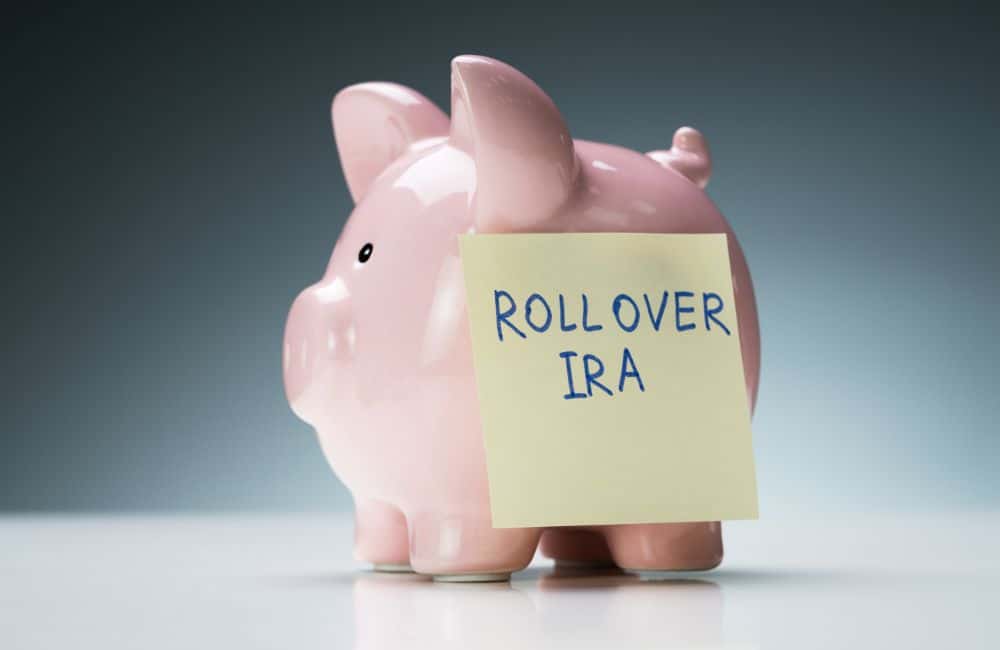
Understanding IRA annuity rollover rules is the first step toward moving retirement funds efficiently – whether you’re shifting from a 401(k) to a traditional IRA, converting to a Roth, or rolling assets into a precious metals IRA that holds physical gold and silver. The rules govern timing, tax treatment, and eligibility, and getting them wrong can trigger unexpected tax bills and penalties.
This guide covers the core rules, the history behind them, rollover types, and how precious metals fit into the picture. If you’ve ever wondered whether your retirement savings could hold real gold bars or silver coins instead of just paper assets, you’re in the right place.
What Is an IRA Annuity Rollover?
An IRA rollover moves funds from one retirement account to another while preserving their tax-advantaged status. An annuity rollover specifically involves moving funds into or out of an annuity contract held inside an IRA. For precious metals investors, the more relevant version is the precious metals IRA rollover – moving retirement funds into a self-directed IRA that holds physical gold, silver, platinum, or palladium.
The IRS draws a clear line between two rollover methods. A direct rollover moves funds custodian-to-custodian. You never touch the money, there’s no withholding, and no 60-day clock starts. A direct transfer is the safest path for anyone setting up a precious metals IRA.
An indirect rollover works differently. Your old plan cuts you a check – often with 20% withheld for taxes. You then have 60 days to deposit the full original amount (including replacing that withheld 20% out of pocket) into the new account. Miss the deadline and the distribution becomes taxable income, plus a 10% early withdrawal penalty if you’re under 59½.
One more critical rule: you can only do one indirect rollover per 365-day period across all your IRAs combined. Direct transfers have no such limit.
A Brief History of IRA Annuity Rollover Rules
The IRA rollover framework didn’t arrive fully formed. It evolved through decades of legislation.
The Employee Retirement Income Security Act established individual retirement accounts as basic tax-deferred savings vehicles.
Opened IRAs to physical gold, silver, platinum, and palladium – provided the metals meet IRS purity standards. Gold must be at least 99.5% pure, silver 99.9%.
SDIRAs became widely available, allowing investors to hold alternative assets including precious metals. Annuity-IRA combinations became more accessible.
The IRS clarified the one-rollover-per-year rule applies across all IRAs, not per account – a significant tightening.
Annual IRA contribution limits reach $7,500 ($8,600 with catch-up for those 50+). Rollovers remain unlimited in dollar amount since they are not new contributions. Required Minimum Distributions begin at age 73 and cannot be rolled over.
The 1997 legislation was the turning point for precious metals investors. Before it, IRAs were limited to stocks, bonds, and similar paper assets. After it, IRS-approved coins and bars became eligible – opening the door to holding a physical gold bar inside a tax-advantaged account.





Types of IRA Rollovers: Which One Fits Your Situation?
Not every rollover works the same way. The right choice depends on your account type, your goals, and your timeline.
| Rollover Type | How It Works | Best For | Key Consideration |
|---|---|---|---|
| Direct Rollover / Transfer | Custodian sends funds directly to new custodian. No cash to you. | Anyone setting up a precious metals IRA. Safest option. | No 60-day limit. No withholding. No per-year cap. |
| Indirect Rollover | You receive a check. Must redeposit full amount within 60 days. | Short-term liquidity needs – rarely recommended. | 20% withheld. One per 365 days. Miss deadline = taxes + penalty. |
| 401(k) to Precious Metals IRA | Former employer plan moves to self-directed IRA holding physical metals. | Job changers wanting to preserve retirement assets in metals. | In-service rollovers may require employer approval. |
| IRA to Annuity Rollover | IRA funds move into an annuity contract within the IRA wrapper. | Investors wanting guaranteed income stream in retirement. | Most annuities hold paper assets, not physical metals. Use PMIRA for physical holdings. |
| Roth Conversion | Traditional IRA converts to Roth. Taxes due now | growth tax-free after. | Investors expecting gold to appreciate significantly long-term. |
For most precious metals investors, the 401(k)-to-SDIRA direct rollover is the most common path. You leave a job, your 401(k) sits idle, and you roll it into a self-directed IRA that can buy physical gold and silver. The precious metals IRA rollover process involves choosing an IRS-approved custodian, opening the SDIRA, and directing your old plan administrator to send funds directly.
IRA Annuity Rollover Rules: The IRS Requirements You Must Know
The IRS sets specific purity standards for metals held in IRAs. These are not suggestions – holding non-compliant metals in an IRA is a prohibited transaction that can disqualify the entire account.
- Gold: Minimum 99.5% purity. [American Gold Eagle] coins are an exception – they’re 91.67% gold but IRS-approved due to their status as legal tender. [American Gold Buffalo] coins at 99.99% purity also qualify.
- Silver: Minimum 99.9% purity. [American Silver Eagle] coins and [Canadian Silver Maple Leaf] coins both meet this standard.
- Platinum and Palladium: Minimum 99.95% purity. [American Platinum Eagle] coins qualify.
- Storage: All IRA metals must be stored at an IRS-approved depository. Home storage is a prohibited transaction – the IRS can disqualify your entire IRA if metals are stored at your residence or in a personal safe.
- RMDs: After age 73, you must take Required Minimum Distributions. These cannot be rolled over. You can satisfy an RMD by selling a portion of your metals or taking an in-kind distribution.
The 1035 exchange is a related concept for annuity rollovers. It allows a tax-free swap between annuity contracts, similar in structure to a direct IRA transfer. If you’re moving from one annuity to another inside an IRA, a 1035 exchange preserves the tax-deferred status of the funds.
What Metals Can You Hold in a Precious Metals IRA?
The IRS maintains a specific list of approved coins and bars. Not every gold coin qualifies. South African Krugerrands, for example, don’t meet the 99.5% purity threshold and are ineligible despite being widely traded bullion coins.
Eligible options include:
- [American Gold Eagle] coins (all sizes: 1 oz, 1/2 oz, 1/4 oz, 1/10 oz)
- American Gold Buffalo coins (99.99% pure)
- Canadian Gold Maple Leaf coins (99.99% pure)
- PAMP Suisse gold bars (99.99% pure, with assay card)
- American Silver Eagle coins (99.9% pure)
- Canadian Silver Maple Leaf coins (99.9% pure)
- American Platinum Eagle coins (99.95% pure)
- IRS-approved palladium bars and coins (99.95% pure)
Live Gold Spot Price – Accurate Precious Metals Refineries
At current prices – gold at about $4,724 per ounce and silver around $82 per ounce – the purchasing power of a rollover matters. A $100,000 direct rollover buys roughly 21 ounces of gold or about 1,200 ounces of silver before dealer premiums and custodian fees. Premiums for IRA-eligible coins typically run 5-10% over spot, and you’ll add custodian fees of $200-$500 per year plus storage costs of $100-$300 annually.
Platinum sits around $2,016 per ounce and palladium near $1,478 per ounce. Both are approved for IRA inclusion but represent a smaller slice of most precious metals portfolios.
Step-by-Step: How to Execute a Precious Metals IRA Rollover
The process is straightforward when you follow it in order. Skipping steps – especially around custodian selection and storage – is where most problems start.
Select a custodian that specifically handles self-directed IRAs with precious metals. Verify their fee structure upfront: setup fees ($50-$200), annual administration fees ($200-$500), and storage fees ($100-$300/year).
Complete the custodian’s account paperwork. Designate beneficiaries. Specify you intend to hold precious metals.
Contact your existing plan administrator (401(k) provider, IRA custodian, etc.). Request a direct transfer to your new custodian. Provide the new account details. Never take personal possession of the funds.
Once funds arrive at the new custodian, direct them to purchase IRS-eligible metals through a reputable dealer. Specify the coins or bars you want.
Metals ship directly to an IRS-approved depository – not to your home. You receive confirmation and account statements showing your holdings.
Review holdings annually. Plan RMD strategy before age 73. Consider whether to take in-kind distributions (receive physical metal) or liquidate for cash.
For a deeper look at the mechanics, the IRA rollover types guide breaks down the differences between transfers, rollovers, and conversions in practical terms.
Common Myths About IRA Annuity Rollover Rules
Misinformation about precious metals IRAs is widespread. These are the myths that cause the most damage.
Myth: You can store IRA gold at home. False. The IRS requires storage at an approved depository. Home storage triggers a deemed distribution – you owe income tax on the full value plus a 10% penalty if under 59½.
Myth: You can do unlimited indirect rollovers. False. The one-per-365-days rule applies to indirect rollovers across all your IRAs combined. Direct transfers have no such restriction.
Myth: Any gold coin works in an IRA. False. Only IRS-approved coins and bars meeting specific purity standards qualify. Collectible coins, numismatic coins, and coins like the Krugerrand are generally excluded.
Myth: Annuities hold physical gold. Mostly false. Variable annuities may include gold-related funds, but they hold paper exposure – not physical metal. A self-directed precious metals IRA is the vehicle for holding actual bars and coins.
Myth: Rollovers count toward annual contribution limits. False. Rollovers are not new contributions. The $7,500 annual limit ($8,600 with catch-up) applies only to fresh contributions. You can roll over an entire 401(k) balance in a single transaction.
Myth: RMDs can be rolled over. False. Once you reach age 73, Required Minimum Distributions must be taken as distributions. They cannot be re-contributed or rolled over into another IRA.
Precious Metals vs. Traditional Assets in an IRA: A Practical Comparison
Gold and silver behave differently from stocks and bonds inside a retirement account. Understanding those differences helps you decide how much allocation makes sense.
Most financial professionals suggest precious metals as a portion of a diversified retirement portfolio rather than the entirety of it. The silver IRA retirement guide explores how silver specifically fits into a long-term retirement strategy alongside other asset classes.
How Accurate Precious Metals Supports Your IRA Rollover
Accurate Precious Metals has been helping investors buy and sell physical metals since 2012. Based in Salem, Oregon, the company has built a reputation over more than a decade – with over 1,000 five-star customer reviews – as a dealer that takes retirement investing seriously.
For IRA investors, Accurate Precious Metals supplies IRS-eligible gold, silver, platinum, and palladium products that meet the purity standards required for self-directed IRAs. The inventory spans [American Gold Eagle] coins, gold and silver bars, [American Silver Eagle] coins, and a range of other approved bullion products. Pricing reflects live spot prices, so you’re not buying against stale quotes.
The company ships nationwide with insured delivery, which matters when you’re coordinating a purchase that needs to go directly to an IRS-approved depository. The Gold IRA rollover guide on the AccuratePMR site walks through the process of securing retirement savings with physical gold in plain terms.
If you have metals outside an IRA – old jewelry, scrap gold, silver flatware, or coins – Accurate Precious Metals buys those too. Local customers in the Salem, Oregon area can bring items in for a same-day assessment. Customers anywhere in the country can use the mail-in service, which includes free insured shipping, a GIA-involved appraisal process, and fast payment. The process works for everything from broken jewelry to inherited coin collections.
Accurate Precious Metals is not a pawn shop. It’s a specialized bullion dealer with the product knowledge and IRA experience to help you source eligible metals efficiently. Reach the team at (503) 400-5608 or visit AccuratePMR.com to review current inventory and pricing.
Frequently Asked Questions
What is the 60-day rule for IRA rollovers?
If you take an indirect rollover – meaning the funds are paid to you personally – you have 60 days to redeposit the full amount into a qualifying IRA. Miss that deadline and the IRS treats the distribution as taxable income. A 10% early withdrawal penalty also applies if you're under 59½.
How many IRA rollovers can I do per year?
The one-per-year rule applies to indirect rollovers. You can only do one indirect rollover across all your IRAs in any 365-day period. Direct custodian-to-custodian transfers have no limit – you can do as many as needed.
Can I roll a 401(k) into a precious metals IRA?
Yes. A direct rollover from a former employer's 401(k) into a self-directed IRA is one of the most common ways to fund a precious metals IRA. The funds move custodian-to-custodian, no taxes are withheld, and you can then direct the new custodian to purchase IRS-approved metals.
What gold coins are eligible for an IRA?
IRS-eligible gold coins include American Gold Eagles (all sizes), American Gold Buffalos, Canadian Gold Maple Leafs, Austrian Gold Philharmonics, and several others meeting the 99.5% purity standard. Gold Eagles are an exception – they're 91.67% gold but specifically approved by the IRS.
Can I take physical possession of my IRA gold?
Not while the metals are inside the IRA. Taking personal possession triggers a distribution. Once you reach 59½ and choose to take an in-kind distribution, you can receive the physical metal – but it becomes a taxable event at that point.
Do precious metals IRAs have higher fees than regular IRAs?
Yes, typically. You'll pay custodian setup fees, annual administration fees, and depository storage fees on top of dealer premiums. Total annual costs commonly run $300-$800 depending on the custodian and storage facility. Factor these into your decision.
What happens to my precious metals IRA when I reach RMD age?
At age 73, you must begin taking Required Minimum Distributions. For a precious metals IRA, you can either sell a portion of your metals and take a cash distribution, or take an in-kind distribution of actual metal. RMD amounts cannot be rolled over into another IRA.
Is Accurate Precious Metals a financial advisor?
No. Accurate Precious Metals is a precious metals dealer. Nothing in this article or on AccuratePMR.com constitutes financial, tax, or investment advice. Consult a qualified financial advisor or tax professional before making rollover decisions.
Sources
- GoldIRAGuide.org – IRA Rollover Rules and Direct Transfer Guide
- Clute Journals – Gold IRA Rollover Research
- IRAClub.com – Precious Metals IRA Rollover Educational Overview
- USGoldBureau.com – New Retirement Rules 2025
- Bankrate.com – Steps to Convert IRA to Gold or Silver
- IRS.gov – Retirement Plans: Investments in Collectibles


