

How to Sell Silver Coins: A Price-Driven Guide for Sellers

Disclaimer
Accurate Precious Metals is not a financial advisor. We encourage everyone to consult a financial advisor or CPA. They can help determine the best investment strategies. Our mission is to provide educational content about precious metals. Accurate Precious Metals is committed to transparency and reliability. They offer top-tier precious metal products and information.
This information is subject to change due to market fluctuations, world events, and factors beyond our control. Additionally, the content may not fully reflect our company’s values, as personnel, staff, and authorship may change over time.
Knowing how to sell silver coins for the best possible price comes down to one thing: matching your coins to the right buyer. Most sellers leave money on the table by defaulting to the first option they find – a local pawn shop, a generic auction listing, or a quick online form – without understanding how dramatically payout rates vary across different sales channels. With silver trading at around $73 per ounce, even a 10% difference in payout represents real money, especially if you’re sitting on a meaningful collection.
This guide is not about finding a buyer near you or deciding whether now is a good time to sell. It’s a pricing playbook – a systematic comparison of every major sales channel, what each one pays, and how to select the right one based on what you actually have. Whether you’re holding a roll of modern silver bullion coins or a handful of century-old rarities, the strategy changes depending on the coin.
Bullion Value vs. Collector Value: Know What You Have First
Before approaching any buyer, you need to understand what type of value your coins carry. This distinction determines everything – which venue you target, what payout you should expect, and how you negotiate.
Bullion coins – modern strikes like the American Silver Eagle, Silver Maple Leaf, or Silver Britannia – are priced almost entirely on their silver content. A one-ounce Silver Eagle contains one troy ounce of .999 fine silver. At $73 spot, the melt value is roughly $73. Dealers price these as commodities. The transaction is fast, the math is simple, and the payout is predictable.
Numismatic coins are a different story. Morgan Silver Dollars, especially those minted at the Carson City facility, carry collector premiums that can dwarf their silver content. The same applies to Trade Dollars, Seated Liberty coinage, and earlier types like Capped Bust and Draped Bust designs. A common Morgan might fetch $30-$50 above its melt value. A low-mintage Carson City issue in high grade can sell for hundreds or thousands more than that.
The practical takeaway: sort your coins before you do anything else. Group your modern bullion separately from pre-1965 US silver coins, and flag anything that looks old, unusual, or in exceptional condition for separate evaluation. Selling a rare numismatic coin to a bullion dealer at melt value is one of the costliest mistakes a collector can make.
The Payout Hierarchy: How to Sell Silver Coins for Maximum Returns
Every sales channel pays a different percentage of spot price. Here’s how they stack up.
Professional bullion dealers sit at the top of this hierarchy, offering 95-98% of spot for common bullion coins. Their lower overhead and higher transaction volume allow them to operate on tighter margins while still paying sellers more.
Local coin shows are underrated. Dealers attending shows are often actively acquiring inventory and can offer 92-98% of spot with immediate cash payment and no volume minimums. The competitive environment – multiple dealers in one room – naturally drives offers upward.
Local coin shops offer the convenience of a walk-in transaction, but their physical overhead (storefront, staff, inventory carrying costs) compresses margins. Expect 90-95% of spot. Still competitive, but not the ceiling.
Online dealers like major bullion platforms typically pay 92-96% of spot. Their lower operating costs theoretically allow better payouts, but shipping delays, processing windows of 3-5 days, and minimum transaction preferences offset some of that advantage.
Certified coin platforms such as GreatCollections are best reserved for NGC- or PCGS-graded numismatic pieces. After their 10% commission plus listing fees, net proceeds land around 87-92% of realized value. The tradeoff is access to a collector audience willing to pay premiums that a bullion dealer won’t.
Auction houses like Heritage Auctions charge 15-20% seller commissions and often require $10,000+ consignment minimums. After fees, sellers net 75-85% of hammer price. This channel only makes sense for genuinely rare coins valued at $500 or more, where collector competition drives prices well above melt.
| Venue | Payout Rate | Speed | Best For | Minimum |
|---|---|---|---|---|
| Professional Bullion Dealer | 95-98% of spot | 1-3 days | All bullion coins | None |
| Local Coin Shows | 92-98% of spot | Immediate | Collector coins | None |
| Local Coin Shops | 90-95% of spot | Immediate | Small quantities | None |
| Online Dealers | 92-96% of spot | 3-5 days | Modern bullion | $100-$1,000+ |
| Certified Platforms | 87-92% after fees | 3-6 weeks | Graded numismatics | $100+ per coin |
| Auction Houses | 75-85% after fees | 2-4 months | Rare coins $500+ | $10,000+ consignment |





Pre-Sale Preparation: How to Sell Silver Coins Like a Professional
Preparation directly affects the offers you receive. Dealers form impressions quickly, and a well-organized seller signals credibility – which translates into better pricing.
List every coin by type, year, and mint mark. A simple spreadsheet works. This speeds up appraisals and shows dealers you know your material.
Multiply the silver content of each coin by the current spot price ($73/oz). This establishes your floor. No reputable dealer should offer below this for standard bullion.
Cross-reference your coins against a basic rare coin guide. Carson City Morgans, low-mintage dates, and early American coinage often command premiums far above melt.
High-resolution images of obverse and reverse for each coin, or video for online submissions. This is non-negotiable for remote transactions.
Record what you originally paid, current spot price, and any IRS reporting considerations before the sale.
One point on photography: natural light and a neutral background reveal surface quality more accurately than flash photography, which can mask wear and create misleading reflections. If you’re submitting coins remotely, video showing the coin rotating in real time is more useful than static images alone.
Negotiation Strategies That Actually Move the Number
Most sellers accept the first offer. That’s a mistake, especially with larger collections. Dealers have flexibility, and they expect negotiation.
Bundle for better rates. A single coin is a small transaction. A collection of 50 or 100 ounces is inventory a dealer wants. Larger volumes justify tighter spreads, and most dealers will improve their offer when the quantity warrants it.
Build relationships before you need them. Dealers who know you – who’ve bought from you before and expect to again – will sharpen their pencils. Offering first rights on future sales is a concrete incentive you can put on the table.
Silver Scrap Value Calculator – Accurate Precious Metals Refineries
Time your approach. Month-end is often when dealers are looking to top up inventory before closing their books. This isn’t a hard rule, but it’s worth keeping in mind if you have flexibility on timing.
Get multiple quotes. Contact two or three dealers before committing. This isn’t about playing games – it’s standard practice, and dealers know it. The competitive tension alone can improve your first offer.
Consider consignment for rare pieces. For coins worth $1,000 or more with strong collector demand, consignment through a specialized platform can yield returns that outpace an immediate cash sale, even after fees.
Choosing Your Channel: A Decision Framework
Selling Online vs. In Person: Practical Tradeoffs
Online sales offer access to a broader buyer pool and potentially better pricing due to lower dealer overhead. The tradeoffs are real, though: you’re shipping valuable metals, waiting 3-5 business days for processing, and trusting a remote evaluation of your coins’ condition.
For remote transactions, insured shipping is non-negotiable. Use a tracked, insured service and photograph everything before it leaves your hands. Keep the packaging receipt.
In-person sales eliminate these concerns. You hand over the coins, you receive payment, and the transaction is complete. Local coin shops and coin shows are the natural venues for this. The payout may be slightly lower, but the certainty and speed have genuine value.
IRS Reporting: What Sellers Need to Know
This is the detail most guides skip over. When you sell silver coins, certain transactions trigger IRS reporting requirements.
Dealers are required to file a 1099-B when a customer sells 90% silver US coins with a combined face value exceeding $1,000, or 0.9999 fine silver bars totaling more than 1,000 troy ounces in a single transaction.
This doesn’t mean you owe taxes automatically – it means the transaction is reported. Whether you owe capital gains tax depends on your cost basis, holding period, and applicable tax rate. If you bought silver years ago at a lower price, the gain is taxable. Keep records of your original purchase price for every lot you sell.
How to Sell Silver Coins Without Getting Shortchanged
A few practical guardrails that protect sellers regardless of which channel they choose.
Know your floor before any conversation starts. Calculate melt value at current spot ($73/oz) for each coin. That’s the minimum a reputable bullion dealer should offer for standard coins. If an offer comes in below that, walk away.
Verify dealer credentials. Look for dealers who are members of the American Numismatic Association or authorized by NGC or PCGS. These affiliations signal professional standards and accountability.
Never clean your coins. Cleaning removes original surfaces and destroys numismatic value. A coin with original patina in worn condition is worth more to a collector than a polished one that looks “nice.” This is one of the most common and irreversible mistakes sellers make before approaching a dealer.
Get offers in writing. A verbal quote is not a commitment. Before shipping coins anywhere or handing them over, get the offer documented.
Why Accurate Precious Metals Is the Right Choice
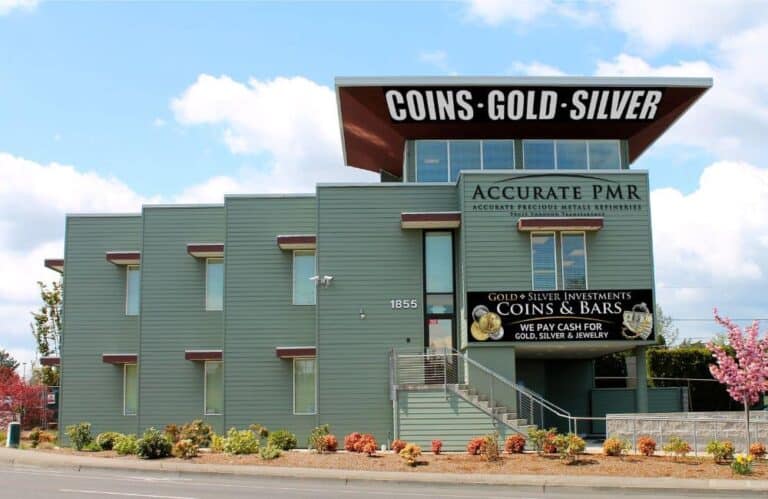
Accurate Precious Metals is a specialized precious metals dealer – not a pawn shop – with over twelve years in business and more than a thousand five-star customer reviews. Based in Salem, Oregon, the team buys silver coins of all types, from modern bullion to numismatic pieces, and evaluates each coin through a trusted, transparent process that reflects actual market value.
What sets Accurate Precious Metals apart is the combination of competitive pricing and genuine flexibility. Pricing is updated to reflect live spot prices, so you’re never quoted against stale data. As an NGC Authorized Dealer, the team brings real grading expertise to the table – which matters enormously when you have coins that may carry premiums above melt.
Sellers anywhere in the United States can use the convenient mail-in service. The process includes free insured shipping, professional evaluation of your coins’ metal content and condition, and fast payment. If you’re local to the Salem, Oregon area, you’re welcome to bring your coins in person for a same-day evaluation and immediate offer.
Whether you have a single Morgan Silver Dollar or a full collection of silver bars and bullion rounds, Accurate Precious Metals buys it all. Call (503) 400-5608 or visit accuratepmr.com to get started.
If you’re located elsewhere in the Pacific Northwest, sellers in Oregon and Washington state will find detailed regional guidance on our location pages. And if you’re researching strategies for valuing your silver coins before you sell, that resource walks through the appraisal process in depth.
Frequently Asked Questions
What percentage of spot price should I expect when selling silver coins?
Professional bullion dealers typically pay 95-98% of spot for common bullion coins. Local coin shops offer 90-95%, and online dealer platforms range from 92-96%. Auction houses and certified platforms pay less after fees but may be appropriate for rare or graded coins.
Should I get my silver coins graded before selling?
Grading makes sense for coins that may carry significant collector premiums – rare dates, low-mintage issues, or coins in exceptional condition. For common bullion coins priced at melt value, grading costs typically outweigh the benefit.
Can I sell silver coins by mail?
Yes. Reputable dealers offer mail-in programs with insured shipping. Accurate Precious Metals provides a mail-in service with free insured shipping and fast payment for sellers anywhere in the US.
Do I have to report silver coin sales to the IRS?
Dealers are required to file a 1099-B when you sell 90% silver US coins with a combined face value over $1,000, or 0.9999 fine silver bars totaling more than 1,000 troy ounces. Your personal tax liability depends on your cost basis and holding period – consult a tax professional for guidance.
What’s the worst mistake sellers make?
Cleaning coins before selling. It permanently destroys numismatic value. The second most costly mistake is accepting the first offer without getting competing quotes.
How do I know if my silver coins are worth more than melt value?
Look for coins with historical significance, low mintage figures, early American designs (pre-1900), or strong collector demand. Carson City Morgans, Seated Liberty coins, and early type coins regularly sell above melt. A dealer with numismatic expertise – or a reference guide – can help identify these.
Is now a good time to sell silver coins?
With silver at around $73 per ounce, current prices are historically strong. Market timing is a separate topic, but the fundamentals of getting the best price – choosing the right channel, preparing your coins properly, and negotiating – apply regardless of when you sell.
Sources
- Gainesville Coins – Selling Silver Coins: Pricing and Venue Comparison Guide
- SBC Gold – How to Sell Silver Coins: Dealer Selection and Best Practices
- Atlanta Gold & Coin – Rare Coin Premiums and Pre-Sale Organization Methodology
- Bullion Exchanges – Selling Bullion Coins: Channel Analysis and Payout Rates

