

How To Clean Silver Coins Without Damaging: Clean Coins Safely

Disclaimer
Accurate Precious Metals is not a financial advisor. We encourage everyone to consult a financial advisor or CPA. They can help determine the best investment strategies. Our mission is to provide educational content about precious metals. Accurate Precious Metals is committed to transparency and reliability. They offer top-tier precious metal products and information.
This information is subject to change due to market fluctuations, world events, and factors beyond our control. Additionally, the content may not fully reflect our company’s values, as personnel, staff, and authorship may change over time.
How to Clean Silver Coins Without Damaging Them or Losing Value: A Comprehensive Guide
Is tarnish stealing the luster of your cherished silver coins? Or perhaps, grime is masking the intricate details that make your coins special? Whatever the case, you’re likely wondering how to clean silver coins without causing any harm or reducing their value. This in-depth guide will walk you through the safest, most effective methods of cleaning silver coins and preserving their worth. Dive in and discover how to keep your silver coins clean, shiny, and in prime condition.
Key Takeaways:
- Cleaning silver coins requires careful techniques to avoid damaging them or reducing their value.
- Different cleaning methods exist, some involving common household items like baking soda and vinegar.
- “Cleaning should be gentle and non-abrasive to maintain the patina and surface details of the coin.” To preserve the integrity of your coins, it’s essential to approach cleaning with care and precision. Avoiding friction is crucial because it can strip away the delicate layers that give coins their value and historical significance.
Steps for Safe Coin Cleaning:
- Neutralize Contaminants: Start with a gentle oil to neutralize verdigris, a common form of corrosion. This step helps loosen the debris without scratching the surface.
- Remove Residues: Use acetone to dissolve the oil and any other residues left behind. Acetone is effective yet gentle, ensuring that no friction is applied during the cleaning process.
- Rinse Thoroughly: Rinse the coin in distilled water. This removes any chemical traces and helps safeguard the coin’s surface from potential damage.
- Dry Carefully: Use an air blower to quickly dry the coin. This step is crucial to prevent water spots and further ensures no physical contact with the coin’s surface.
By following these steps, you allow contaminants to fall away naturally, preserving the coin’s original finish. Remember, the goal is to maintain the coin’s authenticity and value, avoiding any actions that might strip its history away.
- Accurate Precious Metals provides top-dollar rates for silver coins, offering better prices than pawn shops.
Why Do You Need to Clean Silver Coins?
Over time, silver coins can accumulate grime, tarnish, or corrode, which obscures their details and dulls their shine. However, cleaning coins, especially collectible ones, is a delicate process. Aggressive cleaning can damage the coin’s surface, disturb its patina, and potentially decrease its value. This is why understanding the safest ways to clean silver coins is crucial. Whether you are a coin collector or simply have old coins that have sentimental value, knowing how to safely clean your silver coins is a skill worth acquiring.





What Can Cause Silver Coins to Tarnish or Corrode?
Coins made of silver and other precious metals react with the air and various substances, leading to tarnishing and corrosion over time. Tarnish on silver coins is typically caused by a reaction between silver and sulfur in the air. Meanwhile, corrosion can result from exposure to harsh environments or certain chemicals. Furthermore, grime and dirt can accumulate on coins from handling or storage in unclean environments. Therefore, cleaning your coins is necessary for coin maintenance, but it must be done carefully to prevent damage.
In the numismatic world, tarnish on a silver coin can actually enhance its value rather than diminish it. Coin collectors, or numismatists, generally prefer coins that show their age and authenticity. Tarnish, which develops naturally over time as silver reacts with sulfur in the air, is often viewed as a testament to a coin’s history and originality.
The Significance of Coin Toning in Value and Appearance
When it comes to coin collecting, the appearance and condition of a coin play crucial roles in determining its value. One such factor that affects both the aesthetic and financial worth of a coin is toning. But what exactly is toning, and how does it impact value and appearance?
Understanding Coin Toning
Toning refers to the natural change in color that occurs on the surface of coins over time, largely due to exposure to air and other environmental factors. This process can lead to a range of hues and patterns, from subtle shades to vivid colors, enhancing the coin’s visual appeal.
Impact on Value
- Preservation of Authenticity: Collectors often appreciate naturally toned coins because they can indicate authenticity. Altering a coin to remove toning might lead to suspicions about its originality.
- Market Demand: Depending on the tone’s uniqueness and beauty, it may actually increase a coin’s market value. Certain vibrant patterns are highly sought after in the numismatic community.
- Historical Value: Toning can also hint at the coin’s age and journey, contributing to its historical significance. This narrative aspect can render a toned coin more intriguing to collectors.
Aesthetic Appeal
- Variety in Appearance: Toning adds character, resulting in no two coins looking exactly alike. This diversity can be particularly appealing to collectors seeking unique pieces.
- Natural Beauty: Many collectors prefer the look of naturally toned coins over those that are artificially cleaned to appear brighter. The natural, gradual change is often seen as enhancing the coin’s charm.
In conclusion, coin toning is an intricate aspect of numismatics that influences both the visual allure and the market value of a coin. While the effects of toning can vary widely, a naturally toned coin is often cherished for its authenticity and aesthetic uniqueness.
The Appeal of Untarnished Coins
- Patina Preference: A natural patina, resulting from tarnishing, can add character and aesthetic appeal. This is especially true in the case of antique coins.
- Original Condition Matters: Collectors value coins in their original, unaltered state. Cleaning a coin to make it shine might actually lower its desirability and, consequently, its market value.
- Historical Significance: Tarnish can indicate a coin’s journey and preservation, factors that often intrigue collectors and increase its collectibility.
Tarnish vs. Alteration
While tarnish adds history to the piece, altering a coin—such as through improper cleaning or treatments like dipping—could make it less attractive to savvy collectors. Such actions can strip away the original surface, erasing years of history and compromising the coin’s natural charm.
In contrast, bullion investors might prioritize the shiny, pristine look of a coin. However, in the rich domain of numismatics, authenticity and provenance often take precedence, with tarnish acting as a badge of genuine heritage rather than a blemish.
Can Cleaning Silver Coins Cause Irreparable Damage?
Yes, improper cleaning can cause irreparable damage to silver coins. Using abrasive cleaners or harsh methods can scratch the surface, disrupt the patina, and even remove design details, which can drastically decrease the coin’s value. This is particularly critical for rare and collectible coins, where condition and originality are paramount. Therefore, it’s crucial to stick to gentle cleaning methods and avoid any techniques that might risk damaging your silver coins.
Collectors’ Preferences on the Appearance of Silver Coins
When it comes to the appearance of silver coins, collectors have diverse preferences that significantly influence their purchasing decisions and the coins’ value. Let’s delve into their perspectives:
Natural vs. Cleaned Coins
- Original State Preference: Many collectors appreciate coins in their natural state—tarnished or patinated—believing they tell a story and preserve history. A coin that retains its original surface, even if darkened with age, is often more prized than a cleaned one.
- The Risks of Cleaning: Cleaning coins can inadvertently reduce their value. Collectors are wary because improperly cleaned coins may reveal underlying damage or alteration, diminishing their grade and appeal.
The Appeal of Untouched Coins
- Toned Beauty: Naturally toned coins, that is coins with a layer of tarnish from being exposed to the elements, can be more desirable. The toning adds character and proves the coin’s authenticity and age.
- Preservation of Integrity: Collectors often avoid touching or altering the surface of coins. Coins that have not been handled maintain their originality and can thus be more valuable in the eyes of collectors.
Market Perceptions
- Nuanced Understanding: Experienced numismatists recognize that the natural tarnishing of silver doesn’t typically harm its value. Rather, it is seen as a testament to authenticity and age.
- Shiny Isn’t Always Best: While some may prefer coins to be shiny and new-looking, most serious collectors tend to avoid such conditions when it suggests the surface has been altered.
Conclusion
Overall, coin collectors prioritize authenticity and originality over cosmetic appearance. Whether you’re a seasoned collector or just getting started, understanding these preferences is essential for making informed decisions in the world of numismatics.
What Are the Risks Associated with Cleaning Coins for Grading Purposes?
Cleaning coins for grading can significantly affect their value and condition. Here’s why it’s generally advised against:
Potential Damage
- Surface Abrasion: Applying any form of friction, even gentle rubbing with fingers, can cause scratches or marks on the coin’s surface. Such damage is often irreversible and diminishes the coin’s value.
- Removing Patina: Coins naturally develop a patina over time, which can enhance their desirability among collectors. Cleaning may strip away this layer, revealing imperfections or previous cleanings that decrease the coin’s worth.
- Residue Left Behind: Many cleaning agents can leave residues that attract dust and other contaminants, leading to further deterioration.
Professional Techniques and Risks
- Dipping: This is a professional technique that requires specialized products and expertise. If done incorrectly, dipping can leave the coin with an unnatural appearance or, worse, expose hidden damage, potentially affecting its grade.
- Multiple-Stage Processes: Effective cleaning often involves several steps like using oil to neutralize verdigris, followed by acetone and distilled water. Each stage carries risks if not performed correctly, such as leaving unseen residues or creating chemical reactions with the coin’s metal.
Long-Term Impact
- Degradation Over Time: Poor cleaning can accelerate the degradation process, causing coins to deteriorate more quickly and leading to a loss in value.
- Grading Issues: Even minor cleaning can result in a lower grading score, as graders are trained to detect alterations. This can transform a valuable asset into a less sought-after piece.
The Safer Alternative
- Natural Preservation: Leaving coins in their original condition is often the best approach. A coin with natural toning is usually more valuable than one that’s been improperly cleaned.
In conclusion, unless performed by an experienced professional, cleaning can pose significant risks to coins intended for grading. Preserving the coin’s natural state is typically the safest and most recommended course of action.
Absolutely. Coin grading experts are highly skilled in identifying whether a coin has been cleaned. Their training allows them to spot subtle signs that a non-expert might miss.
How Do Experts Detect Cleaning?
- Surface Marks and Hairlines:
- Professionals examine the coin under magnification, looking for small scratches or hairlines that result from abrasive cleaning methods.
- Luster Alteration:
- Cleaning can alter a coin’s natural sheen. Experts assess the luster for changes, indicating whether tampering has occurred.
- Color Discrepancies:
- Original patination provides clues about authenticity. Graders are adept at recognizing unnatural colors that may suggest chemical cleaning.
- Microscopic Residue:
- Some cleaning agents leave residues invisible to the naked eye but detectable under precise scrutiny.
These skills ensure that grading experts can reliably determine whether a coin has been cleaned, maintaining the integrity and value of collectible coins.
When Should You Clean Your Silver Coins?
Most coin collectors and experts recommend cleaning your silver coins only when necessary. If your coins have minor tarnish or discoloration that doesn’t interfere with the coin’s details, it’s often best to leave them as they are. However, if grime or dirt is covering significant details or if the coins are corroded, a gentle cleaning might be necessary. But remember, any cleaning should be done with the utmost care to prevent causing more harm than good.
When it comes to coin collecting, some enthusiasts highly value tarnished coins over those that have been cleaned. Why is this the case? The reasoning lies in the coin’s originality and historical integrity.
Preserving Authenticity
- Historical Significance: Tarnished coins maintain their patina—a natural layer that forms over time. This patina provides clues about the coin’s age and environmental exposure, adding to its story and charm.
- Numismatic Value: Many collectors believe that cleaning a coin diminishes its numismatic value. By preserving the original appearance, tarnished coins keep their authenticity intact, which is critical for collectors seeking genuine historical artifacts.
Risks of Cleaning
Cleaning coins can be risky. It may:
- Scratch or damage the surface, permanently affecting the coin’s physical condition.
- Remove important details, including markings that indicate the mint or era, reducing the coin’s historical relevance.
Market Preferences
Finally, tarnished coins are often sought after in the market for their originality. Collectors may pay a premium for uncleaned coins because they represent a piece of history that remains untouched by modern hands.
In summary, the preference for tarnished coins stems from a desire to maintain historical authenticity and protect the intrinsic value that these artifacts hold.
What Are the Safest Ways to Clean Silver Coins?
Cleaning silver coins can be a delicate task, particularly if you’re dealing with junk silver, which often carries significant wear and tear. Here are several methods to safely clean silver coins, using everyday household items:
- Soap and Water: This is one of the safest and simplest methods. Place your coins in a plastic container with warm water and a few drops of dish soap. Gently agitate the water to loosen the grime. Avoid rubbing or scrubbing the coins. Rinse them with distilled water and pat dry with a soft cloth.
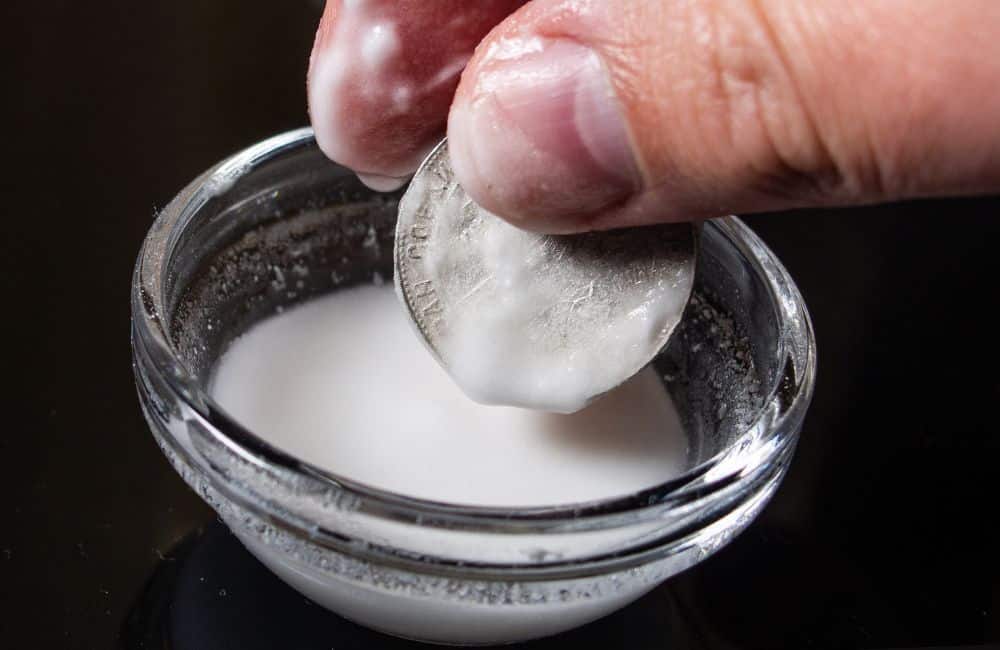
- Baking Soda and Water: Make a paste with baking soda and water. Apply the paste to the coins and gently rub with your fingers or a soft cloth. Rinse with distilled water and pat dry. Be cautious with this method, as baking soda can be slightly abrasive.
- Vinegar and Salt: Fill a plastic container with white vinegar, add a spoonful of salt, and stir until dissolved. Place your silver coins in the solution, ensuring they’re fully submerged. After 5-10 minutes, remove the coins, rinse with distilled water, and pat dry. Remember, never use metal containers for cleaning, as they can cause unwanted chemical reactions.
Additional Considerations for Junk Silver
When cleaning junk silver, it’s important to consider the coins’ existing condition and value. Junk silver is often already worn, so a bit more elbow grease might not do any noticeable damage. However, always check the current market value on platforms like eBay to ensure you’re not inadvertently reducing the worth of a potentially rare or valuable piece.
Some collectors suggest using warm soapy water to clean dirt off junk coins, as this method leaves no scratches. For those feeling adventurous, a gentle cycle in the dishwasher is also an option, though it’s best reserved for coins that are purely valued for their silver content.
Before diving into any cleaning method, ensure that your coins aren’t rare variants. A little research can prevent the loss of a priceless relic.
Anecdotal Experiences from Coin Collectors on Cleaning Methods
Collectors often share a wealth of experiences—some successful, others less so—when it comes to cleaning coins. The consensus among seasoned hobbyists is that cleaning can be risky and often detrimental to a coin’s value and appearance.
Lessons from Personal Experience
One collector shared a story about a friend skilled in coin restoration. This expert carefully removes debris and contaminants without affecting the coin’s integrity. The process involves avoiding friction and ensuring no residue remains, often employing methods like using oil to neutralize verdigris, followed by acetone to remove the oil, then cleansing with distilled water.
However, not all attempts at cleaning end well. Another coin enthusiast recounted using dishwasher soap, assuming it would be gentle, only to discover it left visible scratches. This mishap highlights the dangers of using unsuitable cleaning agents.
The Risk of Inexperience
A memorable mistake shared by a collector involved an overly aggressive cleaning attempt using baking soda and foil. While the coin appeared polished, its value was ruined—a harsh lesson taught by a critical coin dealer. This story serves as a cautionary tale against using household items or amateur techniques on valuable coins.
A Satisfying, Yet Risky, Method
Some collectors have explored alternative methods for non-collector coins. One enthusiast recommended soaking coins in cloudy ammonia for 48 hours, rinsing them in hot water, and gently rubbing them with a bicarb solution. Although satisfying, this method is advised only for coins meant for aesthetic enjoyment rather than preservation or investment.
The Verdict on Coin Cleaning
The overarching advice is clear: cleaning coins typically reduces their market value, as potential buyers either shy away or demand lower prices upon learning a coin has been cleaned. Enthusiasts will sometimes clean heavily circulated coins or “junk” silver, acknowledging the minimal risk of further damage.
Ultimately, before undertaking any cleaning, collectors recommend evaluating the coin’s rarity and condition. The risk of diminishing a potentially valuable piece is often not worth the gamble.
Understanding Coin Dipping and Its Impact
Coin dipping is a meticulous process used to clean coins without compromising their grade. However, it’s important to approach this method with caution and expertise.
What is Coin Dipping?
Coin dipping involves using a specially formulated solution to remove tarnish and impurities from the surface of a coin. This method can enhance the coin’s appearance, restoring its original luster, but it must be performed by someone who knows what they’re doing. A misstep could damage the coin irreparably.
The Risks of Dipping
- Potential Damage: If dipped incorrectly, a coin can lose its patina or even reveal underlying damage, ultimately lowering its value.
- Reduced Value: While some collectors appreciate a shiny finish, many prefer coins with natural aging, or “toning.” A cleaned coin may not be as valuable as one left in its tarnished state.
- Market Preferences: In the numismatic community, collectors value authenticity and originality. Dipped coins may not always fetch the same price as those with their natural toning intact.
- Grading Sensitivity: Coins that have been handled improperly—whether through dipping or other cleaning methods—risk receiving a lower grade from professional graders. This can significantly affect resale value.
Why Some Collectors Avoid Dipping
Many seasoned collectors steer clear of dipped coins because of the inherent risks. Some prefer the natural aging process, even if it results in discoloration. Natural toning is often viewed as part of the coin’s history, adding to its uniqueness and charm.
Best Practices
- Consult Experts: If you’re considering dipping a coin, consult with a professional in the field. They can advise whether this method is appropriate for your particular coin.
- Avoid DIY Cleaning: Homemade cleaning methods, such as using baking soda or foil, can cause irreversible damage.
- Handle with Care: Proper storage and handling are crucial to maintaining a coin’s condition and value.
In conclusion, while dipping can improve a coin’s aesthetic appeal, it’s essential to weigh the risks and benefits carefully. For most collectors, the preservation of history and originality outweighs the desire for a polished finish.
What Not to Do When Cleaning Silver Coins
While cleaning silver coins, it’s just as important to know what not to do. Here are some tips:
- Never use abrasive cleaners or materials that can scratch or damage the surface of the coin.
- Avoid harsh chemicals that can cause discoloration or corrosion.
- Do not attempt to remove the patina. This aged look can increase a coin’s value and appeal.
- Never use a metal polisher or tarnish remover meant for jewelry or silverware. These are too harsh for coins and can damage their surface.
Following these guidelines ensures that your silver coins stay clean and shiny without losing their value or integrity.
Collectors and buyers generally perceive tarnished coins as more valuable than their cleaned counterparts. This perception stems from the belief that coins in their original, unaltered condition offer greater historical authenticity and collector appeal.
The Value of Originality
- Authenticity Matters: Coins that retain their original patina are seen as more genuine. Collectors often view any cleaning as a reduction in the coin’s historical integrity, which can drastically lower its appeal.
- Historical Significance: Tarnish can tell a story. The natural aging process contributes a sense of history and uniqueness that enhances a coin’s value in the eyes of buyers and collectors.
Impact on Market Value
- Price Decline: Once a coin is cleaned, its monetary value tends to decrease. Interested buyers may either withdraw from a potential purchase or insist on negotiating a lower price due to the perceived loss in authenticity.
- Reduced Interest: The market of potential buyers shrinks significantly for cleaned coins, as many collectors prefer pieces that retain their original state, regardless of cosmetic allure.
Exceptions to the Rule
- Aesthetic Appeal: While a shiny, cleaned coin might appeal visually, this is generally not enough to compensate for the loss in collector interest.
- High Mintage Coins: Coins with large mintages that are easily found may not suffer as much from cleaning, as their value is less tied to their rarity or historical significance.
In summary, while a cleaned coin might visually please, for collectors, the uncleaned, tarnished coins hold greater value due to their authenticity and historical significance, leading to a higher demand and price potential.
Where to Sell Your Silver Coins?
Once your silver coins are clean and shiny, you might decide to sell them. But where? Look no further than Accurate Precious Metals. We’re not a pawnshop but a reputable dealer specializing in buying silver coins and other precious metals. We pride ourselves on offering better prices than pawn shops and provide services for clients both locally and nationwide. You can either mail in your coins or visit our store in Salem, Oregon. Contact us today for an appraisal of your silver coins.
Summary of Key Points:
- Cleaning silver coins requires careful, non-abrasive techniques to avoid damaging them or reducing their value.
- Common household items like baking soda, dish soap, and white vinegar can be used to clean silver coins safely.
- Never use abrasive cleaners or harsh methods when cleaning your silver coins.
- Accurate Precious Metals is a trusted dealer offering top-dollar rates for silver coins, offering better prices than pawn shops.
FAQs
Q: How can I safely clean my dirty coins?
A: There are several methods you can try to safely clean dirty coins. One common method is to soak the coin in warm distilled water for a few minutes and then gently scrub it with a soft toothbrush. Another method is to create a paste using baking soda and water, and then rub it onto the coin using a soft cloth. Whichever method you choose, it is important to be gentle and avoid using any harsh cleaning chemicals that could damage the coin.
Q: What is the best way to clean silver coins without damaging them?
A: To safely clean silver coins without causing damage, you can try using mild soap and warm distilled water. Create a solution by mixing a small amount of mild soap with warm distilled water in a glass. Gently place the silver coins into the solution and let them soak for a few minutes. Then, carefully scrub the coins with a soft toothbrush to remove any dirt or tarnish. Finally, rinse the coins with clean water and pat them dry with a soft cloth.
Q: Can I clean my old coins without losing their value?
A: Yes, it is possible to clean old coins without losing their value if done correctly. It is important to use gentle cleaning methods and avoid harsh chemicals or abrasive materials that could lead to damage. The best approach is to remove visible dirt or debris using a soft toothbrush or cloth while leaving any natural patina intact. If you are unsure about cleaning valuable or collectible coins, it is recommended to seek advice from a professional coin dealer or collector.
Q: What should I do if my coins are tarnished or corroded?
A: If your coins are tarnished or corroded, there are a few steps you can take to clean them safely. Start by soaking the coins in warm distilled water for a few minutes to loosen any dirt or debris. Then, create a paste using baking soda and water, and rub it onto the coins using a soft cloth. Gently scrub the coins to remove tarnish or corrosion. Rinse the coins with clean water and pat them dry with a soft cloth. If the tarnish persists, you may need to repeat the process or seek professional help.
Q: How do I clean collectible coins without losing their value?
A: Cleaning collectible coins can be a delicate process to ensure you do not lose their value. It is generally recommended to avoid cleaning collectible coins yourself, as even gentle cleaning methods can potentially affect their condition and value. Instead, consult with a professional coin dealer such as Accurate Precious Metals or a collector who can guide the best approach. They may recommend leaving the coins as-is to preserve their originality and value.
Q: What should I do if I accidentally clean a valuable coin?
A: If you accidentally clean a valuable coin, it is important to take immediate action. Stop the cleaning process and do not attempt any further cleaning or restoration on your own, as it may worsen the damage. Consult with a professional coin dealer or collector to assess the situation and determine the best course of action. They may be able to provide guidance on restoration techniques or recommend professional services that specialize in coin conservation.
Q: Can I use lemon juice to clean old coins?
A: While lemon juice can be a natural and gentle cleaning agent, it is not recommended for cleaning old coins. Lemon juice contains citric acid, which can potentially react with the metal of the coins and cause damage. To safely clean old coins, it is best to stick to mild soap and warm distilled water or consult with a professional for specialized cleaning techniques.
Q: How can I clean my coin collection at home?
A: Cleaning your coin collection at home requires caution to avoid damage. Start by placing the coins in a glass filled with warm distilled water. Let them soak for a few minutes to loosen any dirt or debris. Gently scrub the coins with a soft toothbrush to remove any remaining dirt. Rinse the coins with clean water and pat them dry with a soft cloth. Make sure to handle the coins carefully and avoid using any harsh cleaning chemicals.
Q: Is it safe to put coins in a coin cleaner?
A: Using a coin cleaner can be risky and potentially damaging to the coins. Coin cleaners often contain harsh chemicals that can react with the metals or remove the natural patina of the coins. It is generally recommended to avoid using coin cleaners and instead opt for gentler cleaning methods, such as soaking the coins in warm distilled water or using a mild soap solution.
Q: How should I air dry the coins after cleaning?
A: After cleaning your coins, it is important to air dry them properly to avoid any moisture damage. Place the cleaned coins on a soft cloth or paper towel, ensuring they are not touching each other. Allow them to air dry naturally in a well-ventilated area, away from direct sunlight or heat sources. Avoid using a hairdryer or any other artificial heat source, as it can potentially cause damage to the coins.


