

Gold and Silver Investment Reasons: Why Add These Metals Now

Disclaimer
Accurate Precious Metals is not a financial advisor. We encourage everyone to consult a financial advisor or CPA. They can help determine the best investment strategies. Our mission is to provide educational content about precious metals. Accurate Precious Metals is committed to transparency and reliability. They offer top-tier precious metal products and information.
This information is subject to change due to market fluctuations, world events, and factors beyond our control. Additionally, the content may not fully reflect our company’s values, as personnel, staff, and authorship may change over time.
There are more gold and silver investment reasons than most people realize before they start looking. Gold trades near $4,551 an ounce today. Silver sits around $78. Those prices reflect real demand from investors, central banks, industries, and collectors worldwide. Whether you are thinking about your first ounce or your fiftieth, understanding why people buy these metals helps you make a smarter decision.
This guide covers ten solid reasons to own gold and silver, plus practical guidance on how to buy, what to look for, and where to get started.
1. They Help Preserve Purchasing Power
Gold and silver have functioned as stores of value for thousands of years. That track record exists for a simple reason: unlike paper currency, neither metal can be printed by a central bank. When governments expand the money supply, the purchasing power of cash tends to shrink. Physical metal does not dilute the same way.
Gold has been used as money for over 5,000 years. Silver has served as currency and trade metal across ancient and modern civilizations. That history is not just trivia. It explains why people still reach for these metals when they worry about what their dollars will buy ten or twenty years from now.
2. Gold and Silver Are Classic Safe-Haven Assets
When stock markets fall hard, when banks fail, or when geopolitical crises spike, investors often move money into assets that are not tied to any single company, government, or economy. Gold has a particularly strong reputation as a safe-haven asset. It does not depend on a corporation’s earnings or a country’s fiscal policy to hold value.
Silver can benefit from the same flight-to-safety dynamic, though it tends to swing more dramatically. If your goal is stability during chaos, gold is usually the stronger choice. If you are comfortable with more movement in exchange for a lower entry price, silver is worth considering.



3. Precious Metals Can Diversify a Portfolio
Gold and silver often move differently from stocks and bonds. When equities drop sharply, gold has historically held its value or risen. That low correlation is exactly what diversification is supposed to provide.
Adding even a modest allocation of physical metal to a broader portfolio can reduce overall volatility. Gold is generally the stronger diversifier of the two. Silver’s price is influenced by industrial demand as well as investor sentiment, so it can behave more like a commodity in some market conditions.
Most financial professionals who discuss precious metals treat them as a complement to stocks and bonds, not a replacement. That framing is worth keeping in mind.
4. Physical Metal Carries No Credit Risk
A bond is a promise. A stock is a claim on a company. Both depend on someone else fulfilling an obligation to you. Physical gold and silver do not. They are not a liability of any government or corporation. You hold the asset outright.
That matters most when people worry about defaults, banking stress, or institutional failures. During periods of financial instability, the fact that a gold bar does not depend on anyone’s solvency is exactly the point. For buyers who want an asset that stands on its own, physical bullion delivers something paper assets cannot.
5. They Are Tangible and Easy to Understand
A [1 oz gold bar] is a straightforward asset. You can weigh it, measure it, and hold it. There are no quarterly reports, no counterparty risks buried in fine print, and no complex derivatives involved.
That simplicity appeals to a wide range of buyers. Collectors especially enjoy the physical nature of coins and bars. A 2025 1 oz Gold Eagle is not just an investment vehicle. It is a beautifully struck coin with a known weight, a known purity, and a long production history. Owning something tangible that you can examine and appreciate is part of what makes precious metals different from most financial assets.
6. Gold and Silver Investment Reasons Include Inflation Protection
Precious metals tend to get serious attention when inflation rises. When the cost of goods climbs and the purchasing power of cash falls, investors historically have turned to hard assets. Gold is the most widely discussed inflation hedge in mainstream finance. Silver can also rise during inflationary periods, though its price movement tends to be sharper in both directions.
Live Gold Spot Price – Accurate Precious Metals Refineries
This does not mean gold always rises when inflation does, or that the relationship is perfectly consistent. But the long-term pattern of gold holding real value while paper currencies weaken is one of the most cited gold and silver investment reasons among institutional and individual buyers alike.
7. They Are Liquid and Globally Recognized
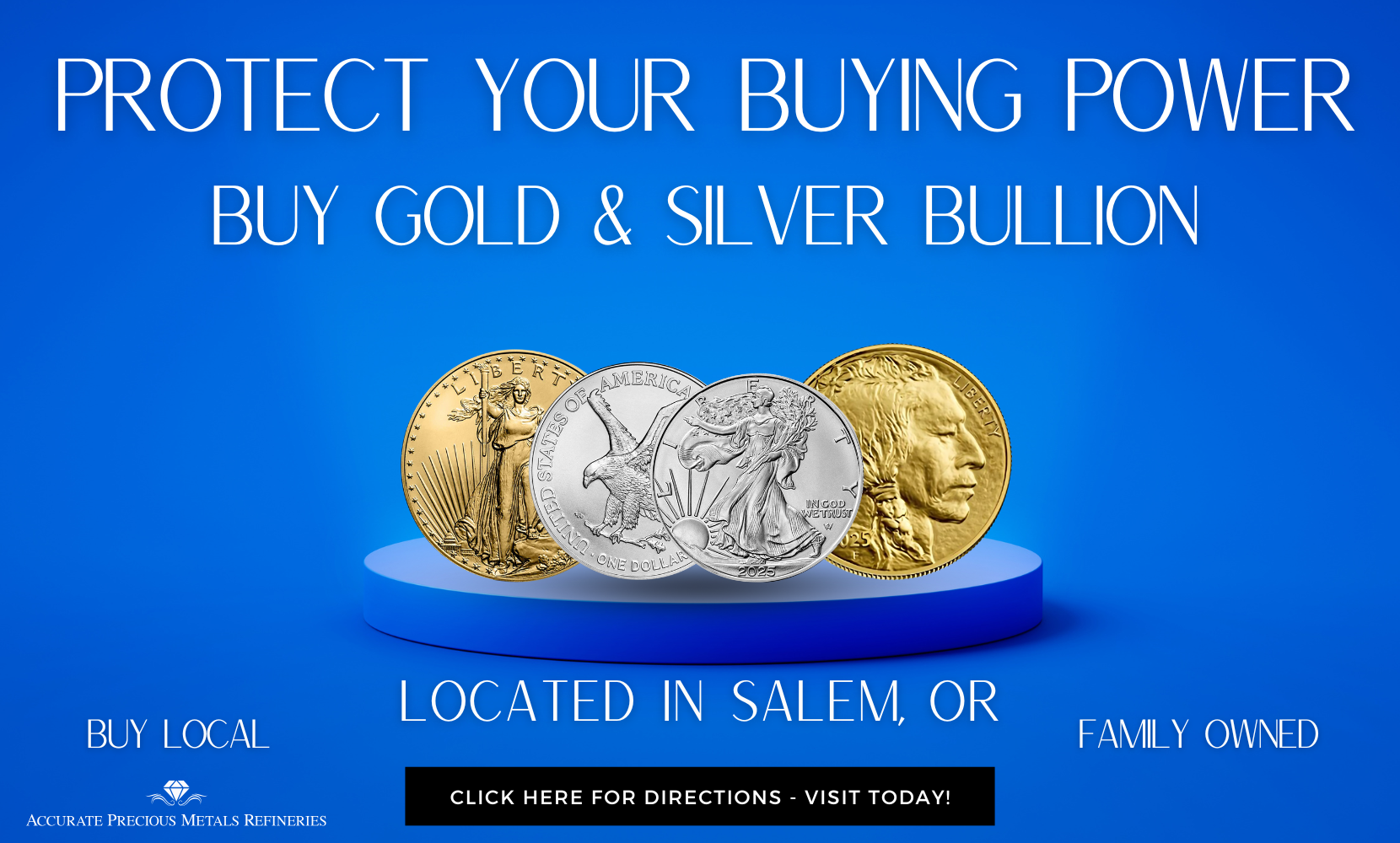
Gold and silver are bought and sold around the world every day. Bullion coins and bars from major mints are recognized by dealers, banks, and private buyers across dozens of countries. That global recognition makes precious metals far easier to convert into cash than most collectibles or niche assets.
Standard products like Silver American Eagles or Canadian Maple Leafs are among the most liquid bullion coins available. If you ever need to sell, widely recognized products move faster and typically command tighter spreads than obscure or privately minted pieces.
Liquidity should factor into your buying decision. The easier something is to resell, the more practical it is as a long-term holding.
8. Silver Has Significant Industrial Demand
Silver is not purely a monetary metal. It is used in solar panels, electronics, medical devices, and industrial processes at a scale that gold simply does not match. That industrial demand creates a second engine for silver’s price, separate from investor sentiment.
Solar energy production has become one of the largest and fastest-growing sources of silver consumption globally. As clean energy infrastructure expands, industrial silver demand is expected to grow. That gives silver a demand floor that is tied to real-world manufacturing, not just financial markets.
The flip side is that silver’s price can fall when industrial output slows, which is part of why it tends to be more volatile than gold. Understanding that dynamic helps set realistic expectations.
For more on best silver coins for investment, our blog covers the most popular options in detail.
9. Precious Metals Appeal to Collectors, Not Just Investors
Many people who buy gold and silver are not purely motivated by financial returns. They enjoy the hobby. Coins have historical significance, artistic design, and rarity value that goes beyond their metal content. A well-preserved sovereign coin or a limited-mintage commemorative piece can carry a premium that reflects collector demand, not just spot price.
The distinction between bullion and numismatic value matters here. Bullion coins like standard gold and silver options are priced close to spot. Numismatic or collector coins are priced based on rarity, condition, and market demand for that specific piece. Both have their place, but buyers should know which category they are purchasing in.
If you are primarily interested in wealth preservation, bullion is usually the more straightforward path. If the collecting aspect appeals to you, numismatic pieces offer a different kind of satisfaction, and potentially a different kind of return.
10. Deep Historical Importance Adds Enduring Confidence
Gold’s symbol is Au, derived from the Latin aurum. Silver’s is Ag, from argentum. Both metals have been woven into human commerce and culture for millennia. That history is not just sentimental. It is one reason people still trust these metals when newer financial instruments are in doubt.
Central banks around the world hold gold as a reserve asset. That institutional trust reinforces what individual buyers have understood for generations: gold and silver have survived every financial system that has come and gone. That durability is itself a reason to own them.
Practical Buying Tips Before You Start
Knowing why to buy is only part of the picture. How you buy matters just as much.
Know Your Goal First
Understand the Main Product Types
Bullion coins are government-minted and widely recognized. Bars often carry lower premiums over spot, making them efficient for larger purchases. Rounds are privately minted and usually priced close to bullion. Numismatic coins carry premiums based on rarity and condition, not just metal content.
For a deeper look at how different products fit different goals, our practical buying guide walks through the key decisions step by step.
Think About Storage and Taxes
Options include a home safe, a bank safe deposit box, or a private vault. Each has trade-offs in cost, accessibility, and security. On the tax side, capital gains rules and sales tax treatment vary by state and by product type. It is worth understanding the rules in your state before buying.
Check What You Are Paying Over Spot
Retail buyers always pay above the spot price. That premium covers minting costs, dealer margin, and shipping. Gold bullion typically carries a lower percentage premium over spot than silver. Collectible coins can carry much higher premiums. Knowing what a fair premium looks like helps you compare dealers and avoid overpaying.
Gold and Silver IRA: A Retirement Angle Worth Knowing
For buyers thinking about retirement accounts, gold and silver can be held inside a self-directed IRA. This structure allows physical bullion to function as part of a tax-advantaged retirement strategy. Not all metals qualify. The IRS requires specific purity standards and approved custodians.
If this is something you are considering, our gold IRA options page explains how the process works and what qualifies. It is a meaningful option for investors who want precious metals exposure inside a retirement account rather than just in a home safe.
Why Accurate Precious Metals Is the Right Place to Start
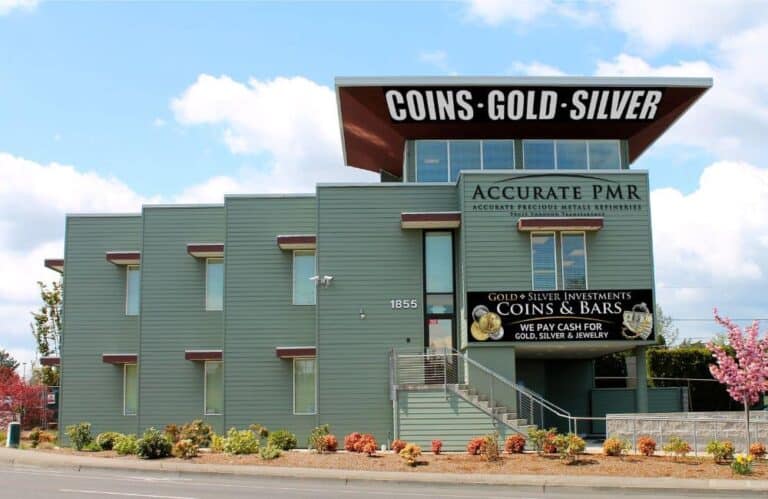
Accurate Precious Metals has been serving buyers and sellers for over 12 years from our Salem, Oregon location. With more than 1,000 five-star customer reviews, we have built a reputation on competitive pricing, transparent transactions, and genuine expertise. We are a specialized precious metals dealer – not a pawn shop – and that distinction matters when you are making a serious purchase.
Our inventory covers gold, silver, platinum, and palladium in coins, bars, and bullion form, along with diamonds and jewelry. Pricing reflects live spot prices, so you are always working with current market data. We are also an NGC Authorized dealer, which means we can assist with grading services for collectible coins.
For buyers interested in retirement planning, we offer Gold and Silver IRA services to help you hold physical metals inside a tax-advantaged account.
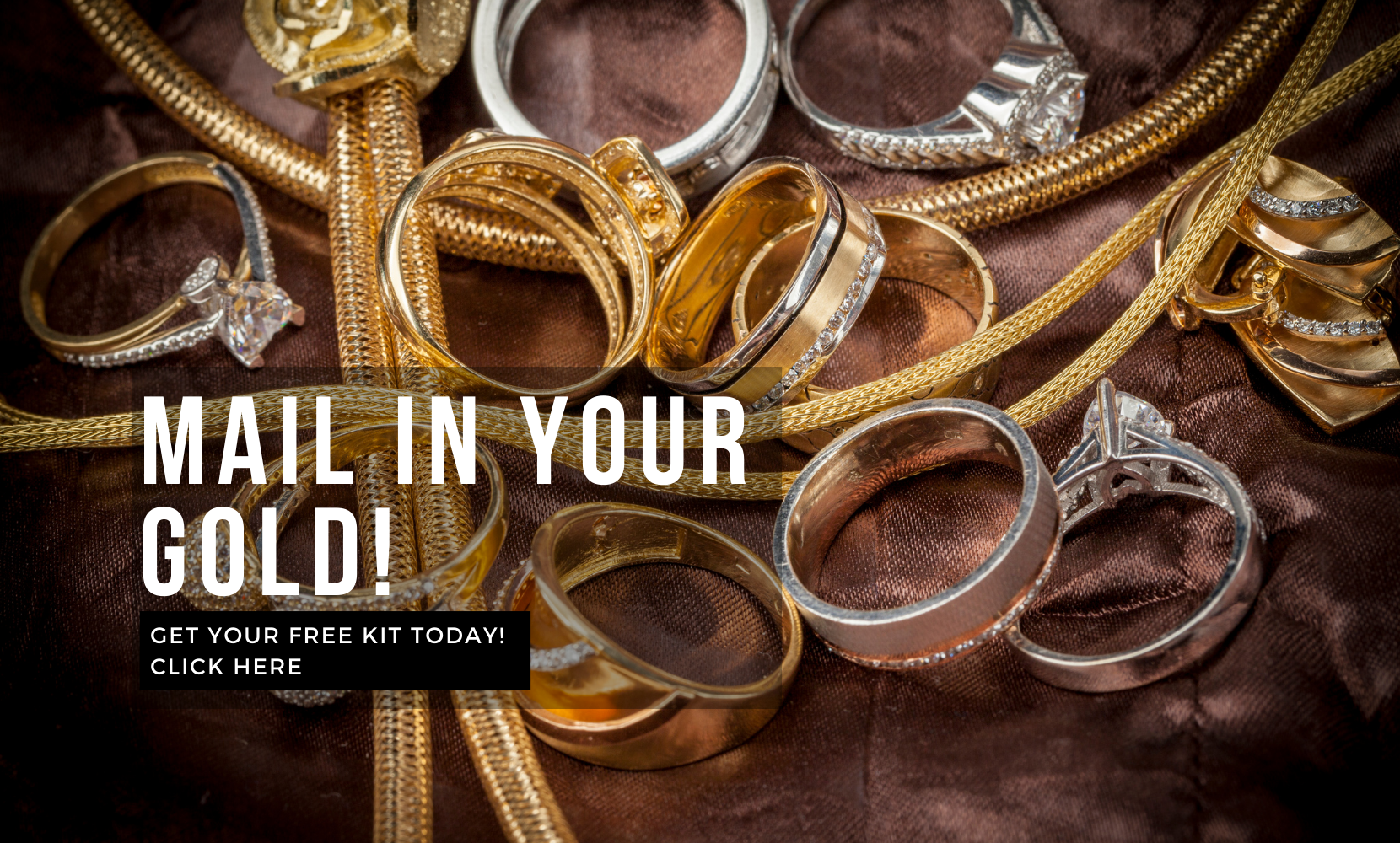
If you are local to the Salem area, come see us in person. If you are anywhere else in the United States, we ship nationwide with insured delivery. Selling is just as easy. Local customers can bring items in directly. Customers across the country can use our mail-in service, which includes free insured shipping, thorough evaluation by our team, and fast payment. We buy bullion, coins, scrap gold and silver, jewelry in any condition, silverware, dental scrap, luxury watches, and diamonds.
Whether you are buying your first ounce or looking to sell a collection, we are ready to help. Call us at (503) 400-5608 or visit accuratepmr.com.
Frequently Asked Questions
Is gold a good investment right now?
Gold has historically served as a store of value and a hedge against inflation and currency weakness. At around $4,551 per ounce, it reflects strong global demand. Whether it fits your situation depends on your goals, time horizon, and existing portfolio. We are not financial advisors, but we can help you understand your options.
What is the difference between gold bullion and numismatic coins?
Bullion coins are priced primarily based on their metal content and the current spot price. Numismatic coins carry additional value based on rarity, condition, and collector demand. Bullion is generally more straightforward for investors. Numismatic pieces appeal more to collectors.
Why is silver cheaper than gold?
Silver is more abundant in the earth’s crust than gold, and historically its price has reflected that relative scarcity. Silver also has significant industrial uses that affect its price differently from gold.
How do I know if I am paying a fair premium over spot?
Standard bullion coins from major government mints typically carry premiums in the range of a few dollars per ounce for gold and a few dollars per ounce for silver, though this varies by product and market conditions. Comparing prices across reputable dealers and checking current spot prices helps you evaluate any offer.
Can I hold gold and silver in a retirement account?
Yes, through a self-directed IRA. The IRS requires specific purity levels and approved custodians. Our gold IRA options page explains how this works in more detail.
How do I sell my gold or silver to Accurate Precious Metals?
Local customers can visit our Salem, Oregon location in person. Customers anywhere in the US can use our mail-in service, which includes free insured shipping and fast payment after our team evaluates the metal content of your items.
Does Accurate Precious Metals buy broken or scrap jewelry?
Yes. We buy gold and silver in virtually any form, including broken jewelry, scrap, silverware, dental gold, and more. Bring it in person or use our mail-in service from anywhere in the country.
Sources
- Fidelity – Should You Buy Gold or Silver?
- Bankrate – Gold vs. Silver: Key Differences for Investors
- Morgan Stanley – Investing in Gold and Silver: A Decision Guide
- APMEX Learning Center – Why Buy Physical Gold and Silver
- GoldBroker – 10 Reasons for Buying Gold
- Dummies.com – 10 Reasons to Have Gold and Silver

