

Best Gold IRA Companies 2024: How to Choose with Confidence

Disclaimer
Accurate Precious Metals is not a financial advisor. We encourage everyone to consult a financial advisor or CPA. They can help determine the best investment strategies. Our mission is to provide educational content about precious metals. Accurate Precious Metals is committed to transparency and reliability. They offer top-tier precious metal products and information.
This information is subject to change due to market fluctuations, world events, and factors beyond our control. Additionally, the content may not fully reflect our company’s values, as personnel, staff, and authorship may change over time.
If you are researching the best Gold IRA companies 2024, you are already asking the right question – but the answer matters less than knowing how to evaluate it. Gold IRAs have attracted serious attention from retirement savers who want something more tangible than paper assets. This guide covers everything: what precious metals are worth owning, how a Gold IRA actually works, what the IRS requires, and how to compare companies without getting misled by glossy rankings.
Precious metals – gold, silver, platinum, and palladium – have been stores of value for centuries. Today they trade on global markets and sit inside retirement accounts. Understanding the basics before you commit money to any of them is the smartest move you can make.
What Precious Metals Are (and Why People Buy Them)
Gold, silver, platinum, and palladium are rare metals with real industrial and monetary demand. Gold runs at about $4,500 an ounce right now. Silver sits around $77. Platinum is near $1,925, and palladium around $1,355. These are not static numbers – they move daily based on supply, demand, currency movements, and market sentiment.
Live Gold Spot Price – Accurate Precious Metals Refineries
People buy precious metals for a few consistent reasons. They diversify a portfolio away from stocks and bonds. They act as a hedge when inflation erodes purchasing power. During economic stress, demand for gold in particular tends to rise. And unlike a stock certificate, a gold coin is something you can hold.
The downside is equally clear. Precious metals pay no dividends. No interest. Their entire return depends on price movement – and prices can fall for extended periods. Anyone who tells you gold only goes up is wrong.
Gold vs Silver vs Platinum vs Palladium
| Metal | Best Known For | Entry Price (per oz) |
|---|---|---|
| Gold | Wealth preservation, central bank demand, liquidity | ~$4,500 |
| Silver | Affordability, industrial use, higher volatility | ~$77 |
| Platinum | Catalytic converters, chemical industry, jewelry | ~$1,925 |
| Palladium | Auto catalysts, tight supply, sharp price swings | ~$1,355 |
Silver is not just cheaper gold. It has heavy industrial demand from solar panels, electronics, and medical applications. That demand creates different price behavior. Platinum and palladium are more tightly tied to the auto industry – palladium especially, where supply is concentrated in a handful of countries.
Bullion vs Numismatic Coins: Know the Difference
This distinction trips up beginners constantly. Bullion coins and bars are priced mainly by their metal content. A 1 oz gold bar or a standard government-issued coin trades close to spot, with a modest premium for minting and handling. That premium is usually lower than what you pay for collectibles.
Numismatic coins are a different category. Their value comes from rarity, year, mint mark, grade, and collector demand – not just metal weight. A rare coin in top condition can be worth many times its melt value. But pricing is harder, spreads are wider, and beginners often overpay significantly.
If your goal is retirement savings or straightforward metal exposure, start with bullion. Collectibles are a separate hobby that requires separate expertise.




What Is a Gold IRA and How Does It Work?
A Gold IRA is a self-directed individual retirement account that holds IRS-approved physical precious metals instead of, or alongside, traditional investments like stocks and mutual funds. It is not a home safe full of coins. It follows strict IRS rules about what metals qualify, how they are stored, and how the account is structured.
The basic process looks like this:
Open a self-directed IRA with a custodian that allows alternative assets
Transfer or roll over funds from an existing 401(k), IRA, or other retirement account
Choose IRS-approved precious metals from an authorized dealer
The custodian purchases the metals on your behalf
Metals are sent directly to an IRS-approved depository – not to you
For a detailed walkthrough of the rollover process, the IRA rollover guide at Accurate Precious Metals covers the key steps and common mistakes.
Transfer vs Rollover
These two terms are often used interchangeably but they work differently. A transfer moves funds directly between custodians – you never touch the money, and there is no tax risk. A rollover sends funds to you first, and you have 60 days to redeposit them into the new account. Miss that window and you may owe taxes and penalties. Transfers are simpler for most people.
IRS Rules: What Metals Actually Qualify
The IRS does not allow just any coin or bar inside a Gold IRA. Metals must meet minimum purity standards:
- Gold: 99.5% purity or higher
- Silver: 99.9% purity or higher
- Platinum: 99.95% purity or higher
- Palladium: 99.95% purity or higher
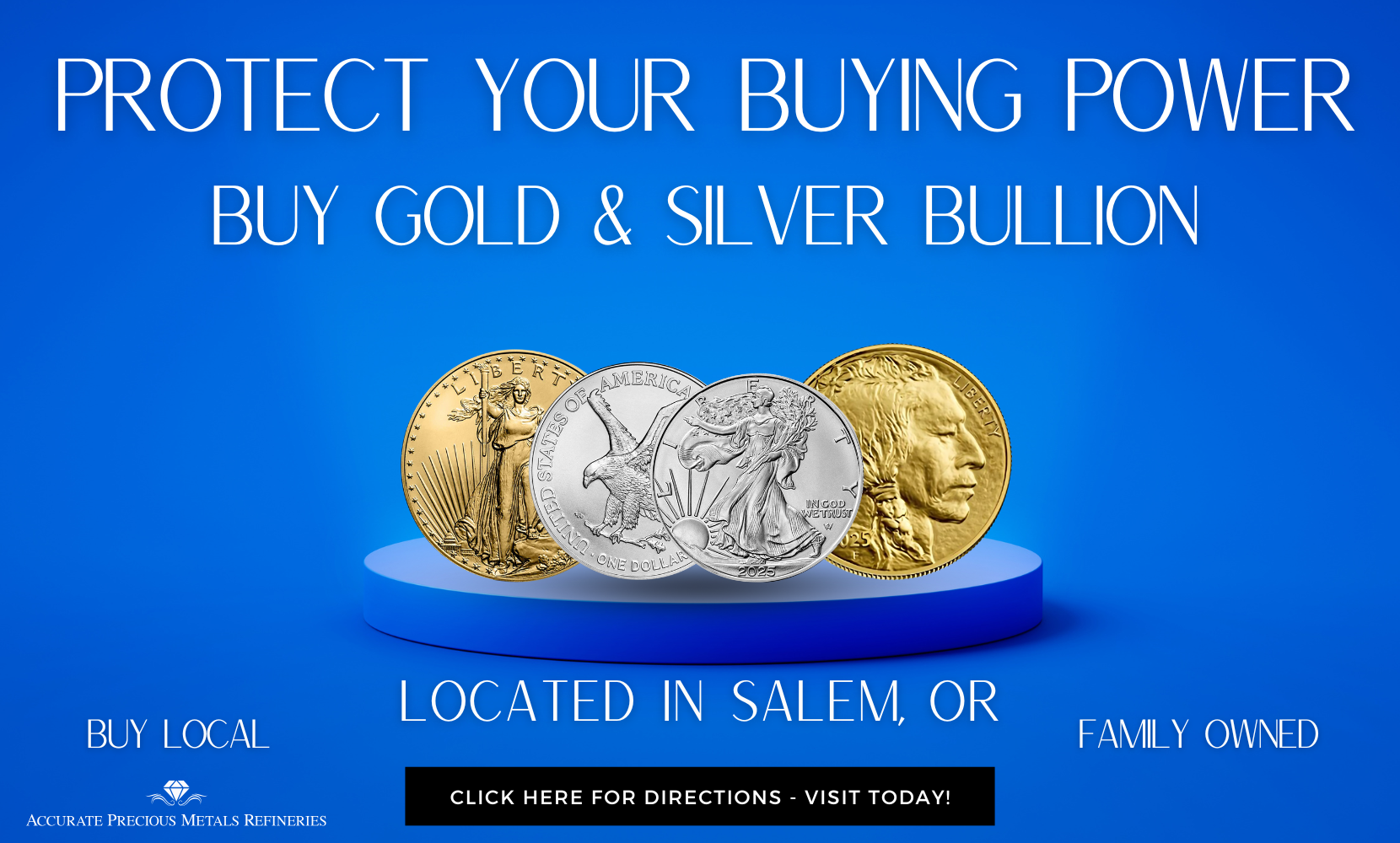
Widely accepted IRA-eligible coins include the [American Gold Eagle], the [American Gold Buffalo], the [Canadian Gold Maple Leaf], and equivalent silver and platinum coins that meet purity requirements. Most standard gold bars from recognized refiners also qualify if they meet the .9950 fineness threshold.
Collectible coins – even valuable ones – are generally excluded. The IRS treats most collectibles inside an IRA as a distribution, which triggers taxes and penalties. This is why understanding the bullion-versus-numismatic distinction matters so much for retirement accounts.
The authoritative source is IRS Publication 590-A and 590-B, plus the IRS’s own guidance on retirement plan investments. Reading those documents – or working with a custodian who knows them – protects you from costly mistakes.
Best Gold IRA Companies 2024: What to Actually Look For
The phrase “best Gold IRA companies 2024” generates a lot of content online, most of it ranking lists. Those lists can be useful starting points, but they are not the full picture. Companies frequently pay for placement. Rankings shift. What matters is knowing the criteria so you can evaluate any company yourself.
Major roundups from outlets like Money and Business Insider have highlighted companies including Augusta Precious Metals, Goldco, American Hartford Gold, Birch Gold Group, Advantage Gold, Noble Gold, and Orion Metal Exchange – each with different strengths around education, minimums, fees, and storage options. [SRC1] [SRC3]
Rather than picking from a list blindly, run every candidate through the same checklist.
Ask for a full written fee schedule covering setup, annual admin, storage, wire fees, and dealer markup over spot
Some companies require $10,000-$50,000 to open. Know the threshold before you start
Ask whether storage is segregated or commingled, where the depository is, and whether it is insured
A clear buyback program means you can sell without scrambling for a buyer later
Confirm they offer IRS-approved products – not just “popular” coins that may not qualify
Good companies explain rollovers, tax rules, storage, and liquidity risks without pressuring you
Check BBB, Trustpilot, and BCA for complaint patterns and response quality
For a deeper look at how fees stack up across providers, the Gold IRA fee breakdown at Accurate Precious Metals cuts through the confusion clearly.
Common Mistakes When Choosing a Gold IRA Company
Choosing based on a single review site is the most common error. Paid rankings exist. Always cross-reference at least two or three independent sources. Second, watch for companies that push numismatic or “rare” coins for IRA accounts – those coins often carry huge markups and may not even qualify under IRS rules. Third, do not ignore total fees. A company with a low setup fee but high annual storage and admin fees can cost significantly more over time.
Understanding Fees in a Gold IRA
Fees in a Gold IRA are real and ongoing. Unlike a brokerage account where you might pay a small annual expense ratio, a Gold IRA typically involves:
- Account setup fee (one-time, often $50-$100)
- Annual custodian/admin fee (often $75-$300 per year)
- Storage fee (often $100-$300 per year, or a percentage of account value)
- Insurance fee (sometimes bundled with storage)
- Dealer premium on metals purchased (percentage over spot price)
- Liquidation or wire fees when you sell
These costs do not make a Gold IRA a bad choice – but they do mean your metals need to appreciate enough to cover them. A $200 annual fee on a $5,000 account is a 4% annual drag before any price movement. On a $50,000 account, the same fee is 0.4%. Scale matters.
Practical Tips for Collectors and Retirement Investors
The approach is different depending on your goal.
If you are building a retirement position, treat precious metals as one slice of a diversified portfolio. A common approach is allocating 5-15% of a retirement account to metals – enough to provide a hedge without over-concentrating. Use IRS-approved bullion products, work with a reputable custodian, and understand that liquidity is lower than with stocks or ETFs.
If you are a collector, keep the collector budget separate from your investment budget. Learn coin grading basics. Buy from dealers with transparent pricing. Keep original packaging where it matters for resale. Document your inventory. And know the spread – the gap between what you pay and what a dealer will buy back – before you commit.
For anyone considering a Silver IRA alongside gold, silver’s lower price per ounce means you can accumulate more weight for the same dollar amount, though the price swings are larger.
Risks Every Buyer Should Understand
Precious metals carry real risks that are easy to underestimate when prices are rising.
- Price volatility: Gold dropped significantly in the early 1980s and again in 2011-2015. Long drawdowns happen.
- Premiums and spreads: You pay above spot to buy and receive below spot to sell. That gap is your starting hurdle.
- Storage and insurance: Physical metal costs money to store and protect, whether in an IRA depository or a home safe.
- Counterfeits: Fake coins and bars exist. Buy only from dealers who evaluate metal content through XRF analysis or equivalent testing methods.
- Liquidity differences: Gold is the most liquid precious metal. Palladium and some platinum products can be harder to sell quickly.
- IRA rollover mistakes: A missed deadline or improper transfer can trigger a taxable distribution. Get the process right the first time.
Why Accurate Precious Metals Stands Out
Accurate Precious Metals, based in Salem, Oregon, has been in business for over 12 years and has earned more than 1,000 five-star customer reviews. That track record reflects consistent service across a wide range of transactions – from single coin purchases to full IRA rollovers.
The inventory spans gold coins and bars, silver, platinum, palladium, diamonds, and jewelry, with pricing updated to reflect live spot prices. For retirement investors, Accurate Precious Metals offers Gold and Silver IRA services and can walk you through the rollover process from start to finish. The guide to selecting Gold IRA vendors on the site is a practical resource for anyone comparing providers.
For customers outside Oregon, Accurate Precious Metals ships nationwide with insured delivery. There is no need to be local to access competitive pricing or IRA services.
Selling is just as straightforward. Local customers can bring items directly to the Salem location. Customers anywhere in the US can use the mail-in gold program – request a kit, ship your metals with free insured shipping, and receive payment after evaluation. The process covers bullion, jewelry, scrap gold and silver, dental scrap, silverware, luxury watches, and more. Whether you are liquidating old jewelry to fund a new IRA position or simply converting unwanted metal to cash, both the in-person and mail-in options are available.
Accurate Precious Metals is not a pawn shop. It is a specialized precious metals dealer with the depth of inventory, the IRA services, and the buying infrastructure to serve both new investors and experienced collectors.
Frequently Asked Questions
What is the minimum investment for a Gold IRA?
It varies by company. Some Gold IRA providers have minimums as low as $5,000-$10,000, while others require $25,000-$50,000. Always confirm the minimum before starting an application.
Can I store Gold IRA metals at home?
Generally no. IRS rules require that metals held in a Gold IRA be stored at an approved depository. Storing them at home typically disqualifies the account and triggers taxes and penalties.
What gold coins are IRA-eligible?
Common IRA-eligible coins include the American Gold Eagle, American Gold Buffalo, Canadian Gold Maple Leaf, and Austrian Gold Philharmonic, among others. All must meet the IRS 99.5% purity requirement.
Is a Gold IRA the same as buying physical gold?
Not exactly. A Gold IRA holds physical gold inside a retirement account structure, with specific custodial and storage requirements. Buying physical gold outside an IRA gives you direct possession but no tax-deferred or tax-advantaged treatment.
How do I roll over a 401(k) into a Gold IRA?
You open a self-directed IRA, choose a custodian, and initiate a direct transfer or rollover from your existing plan. A direct transfer between custodians is typically the cleanest approach and avoids the 60-day rollover window risk.
What fees should I expect in a Gold IRA?
Expect a setup fee, annual custodian fee, storage fee, and dealer premium on metals. Total annual fees often run $200-$500 or more depending on account size and provider. Always get a written fee schedule before committing.
How do I sell metals from a Gold IRA?
You contact your custodian and request a distribution or liquidation. Some Gold IRA companies offer buyback programs that simplify this. You can take the metals as an in-kind distribution or sell them and receive cash, with tax treatment depending on your account type.
What makes Accurate Precious Metals different from other dealers?
Accurate Precious Metals has over 12 years of experience, 1,000+ five-star reviews, nationwide insured shipping, IRA services, and a broad inventory of gold, silver, platinum, palladium, diamonds, and jewelry. It is a specialized bullion dealer – not a pawn shop – with transparent pricing tied to live spot prices.


