

Banks silver investment guide: where to buy and avoid pitfalls

Disclaimer
Accurate Precious Metals is not a financial advisor. We encourage everyone to consult a financial advisor or CPA. They can help determine the best investment strategies. Our mission is to provide educational content about precious metals. Accurate Precious Metals is committed to transparency and reliability. They offer top-tier precious metal products and information.
This information is subject to change due to market fluctuations, world events, and factors beyond our control. Additionally, the content may not fully reflect our company’s values, as personnel, staff, and authorship may change over time.

If you have been searching for a banks silver investment guide, the most important thing to know upfront is this: banks are rarely the best place to buy silver. While some U.S. banks do sell precious metals, the premiums they charge over spot price are typically far higher than what you would pay through a reputable dealer. This guide covers every major way to invest in silver – physical bullion, ETFs, mining stocks, futures, and more – and explains exactly where to buy, what to pay, and how to avoid the most common mistakes.
Silver sits at around $81 per ounce as of mid-2026. That makes it one of the most accessible precious metals for new investors. Gold is trading near $4,720 per ounce, platinum around $2,046, and palladium near $1,495. Silver’s lower price point means you can build a meaningful position without a large upfront commitment.
Live Silver Spot Price – Accurate Precious Metals Refineries
Why Investors Buy Silver
Silver is not just a store of value. It has real industrial demand – used in solar panels, electronics, medical devices, and EV components – which gives it a utility floor that purely monetary metals lack. That industrial backbone influences price in ways that gold’s market does not experience to the same degree.
The core reasons people invest in silver break down into five categories. First, it acts as an inflation hedge. When central banks print money, the purchasing power of currency erodes; silver holds its value in real terms over long periods. Second, it diversifies a portfolio. Silver prices do not move in lockstep with stocks or bonds, so adding it can reduce overall portfolio volatility. Third, it is affordable. You can buy a single ounce for around $81, compared to a single ounce of gold at nearly $4,720. Fourth, silver has a long history as a monetary metal, which gives it psychological and cultural weight as a store of value. Fifth, for collectors, the coin and bar market offers a wide range of products with both intrinsic and aesthetic appeal.
The Five Main Ways to Invest in Silver
1. Physical Silver – Bullion, Bars, Coins, and Rounds
Physical silver is the most direct form of ownership. You buy it, you hold it, and its value tracks the spot price. Investment-grade silver carries a minimum purity of .999 fine, meaning 999 parts silver per 1,000.
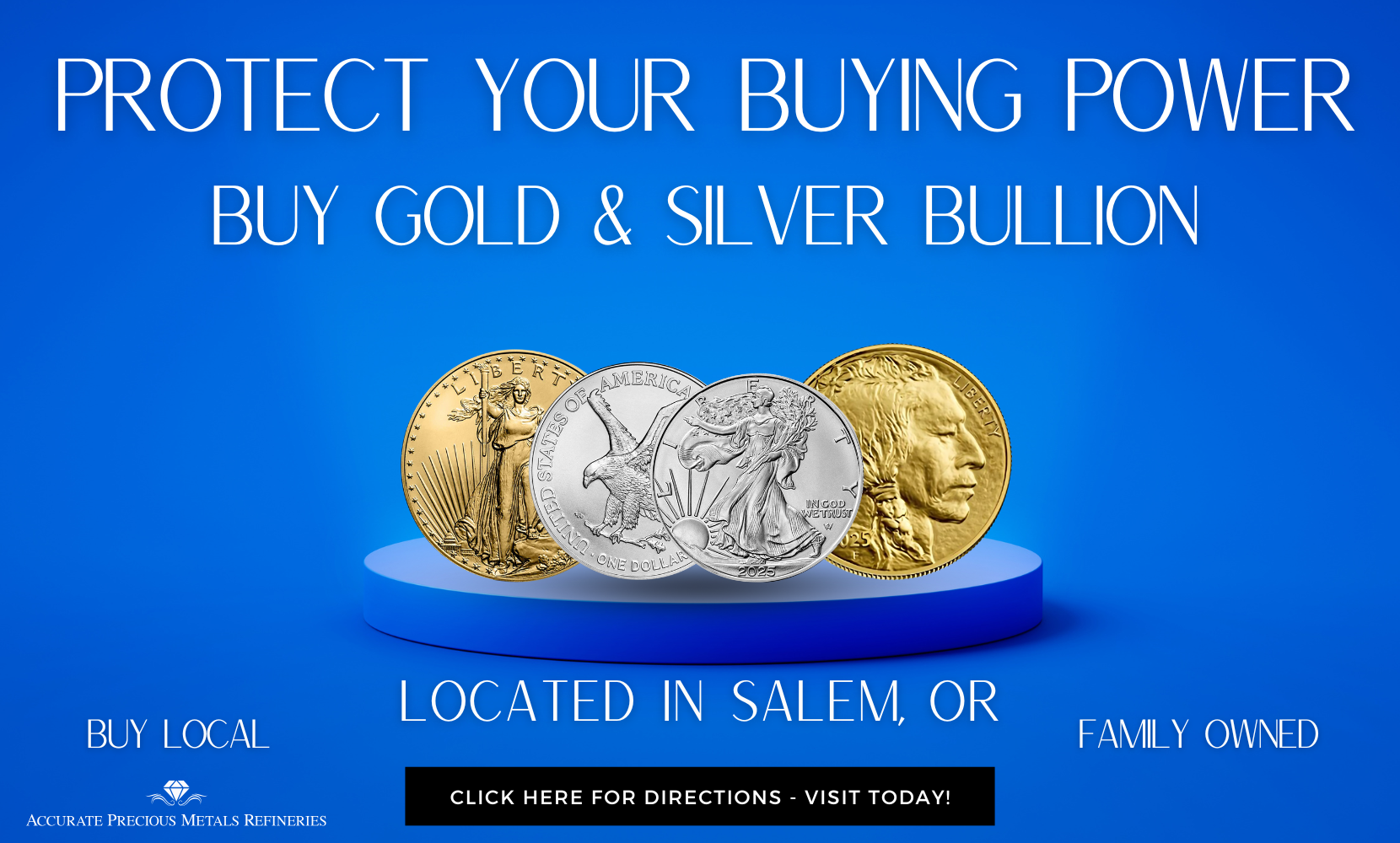
Physical silver comes in several forms. Bars are the most cost-efficient – a 10 oz or 100 oz silver bar typically carries a lower premium over spot than coins. Coins are government-issued and carry a face value, though their actual worth is determined by silver content. Popular examples include the [American Silver Eagle] and the [Canadian Silver Maple Leaf]. Rounds are privately minted discs of pure silver with no face value – the 1 oz Silver Round – Buffalo Design is a popular option for budget-conscious buyers. Numismatic coins carry collector value beyond their metal content, driven by rarity, historical significance, and condition.
The trade-off with physical silver is storage and liquidity. You need a secure location – a home safe, a bank safe deposit box, or a third-party vault. Insurance is worth considering. Selling physical silver also takes more effort than clicking a button in a brokerage account.
2. Silver ETFs and Mutual Funds
Silver exchange-traded funds (ETFs) let you gain exposure to silver prices without physically owning metal. Physical silver-backed ETFs hold actual silver in vaults and issue shares representing fractional ownership. You buy and sell shares through a standard brokerage account.
ETFs offer high liquidity – you can exit a position during market hours. They are also accessible at very low dollar amounts. The trade-off is that you never hold the metal itself, and ETF expenses and trading commissions reduce your net return over time. Sector ETFs that focus on silver mining companies rather than physical metal carry additional risks tied to company performance.
3. Silver Mining Stocks
Buying shares in silver mining companies gives you indirect exposure to silver prices. When silver rises, miners’ profit margins often expand faster than the metal price itself – this is the use effect. A miner with fixed operating costs sees its profit jump disproportionately when silver moves from $70 to $81 per ounce.
The downside is company-specific risk. Management decisions, labor disputes, permitting delays, and geopolitical issues in the mining region can hurt a stock even when silver prices are rising. Sector-wide downturns can affect all mining stocks simultaneously regardless of individual company quality.
4. Silver Futures and Options
Futures contracts let you agree today to buy or sell silver at a set price on a future date. Options give you the right – but not the obligation – to do the same. These are speculative instruments designed for experienced investors who understand use and derivative pricing.
Futures and options are not suitable for most beginners. The potential for loss exceeds the initial investment in some configurations, and the mechanics require active monitoring. They are best understood as tools for hedging existing positions or for sophisticated short-term speculation.
5. Silver Sector Funds
Sector ETFs and mutual funds that focus on silver-related companies spread your exposure across multiple miners and producers. This reduces the risk that any single company’s failure wipes out your position. Pay close attention to fund composition – some focus on large, established producers while others hold junior miners with higher growth potential and higher risk profiles.




The Bank Question – Why Banks Are Not the Best Option
This is the core of any honest banks silver investment guide. Some U.S. banks do sell genuine silver coins and bullion products. They are federally regulated institutions, which provides a baseline of accountability. But that accountability comes at a cost.
Banks hedge against precious metals price volatility by charging high premiums over spot. The markup you pay at a bank window is typically well above what you would pay at a reputable online dealer or local coin shop. Banks also offer a limited selection – you are unlikely to find the full range of products available through a specialized dealer.
Most experienced precious metals investors avoid banks entirely for purchases. The same accountability you get from a bank is available through licensed dealers who specialize in precious metals, often with better pricing, broader inventory, and staff who actually know the products. Our blog post on whether banks sell silver dollars breaks this down in more detail if you want a deeper comparison.
Where to Actually Buy Silver
Local Coin Shops and Dealers
In-person dealers let you inspect products before buying. A good local shop will show you the silver, answer questions about purity and provenance, and give you a fair price based on current spot. The guide to finding trusted precious metals dealers on our site covers what to look for when evaluating a dealer’s credibility.
Online Dealers
Online precious metals dealers typically offer the widest selection and the most competitive pricing. Prices update in real time to reflect live spot, premiums are clearly listed, and you can compare products side by side. Reputable online dealers ship with insurance and provide tracking.
Brokerage Accounts and IRAs
For financial instruments – ETFs, mining stocks, mutual funds – you need a standard brokerage account. Most major brokerages offer access to silver ETFs and mining stocks. For tax-advantaged investing, a Silver IRA allows you to hold physical silver in a retirement account with IRS-approved storage.
Investment Apps
Many investment apps now allow fractional share purchases starting at $1. This makes silver ETFs accessible to investors with very limited capital. Liquidity is high, fees vary by platform, and you can start building exposure without committing to a full ounce of physical metal.
Understanding Silver Pricing
Silver spot price is the real-time market price for one troy ounce of .999 fine silver for immediate delivery. Every product you buy is priced as a premium over that spot price. The premium covers minting costs, dealer margins, and shipping.
As a rough guide, silver bullion coins like American Silver Eagles typically carry premiums in the range of several dollars per ounce above spot. Generic rounds and large bars carry lower premiums. Numismatic coins carry premiums that reflect collector demand rather than just metal content.
Several factors move the spot price itself. Supply and demand play the largest role – new mine production increases supply and pushes prices down; reduced mining activity tightens supply and pushes prices up. Industrial demand from solar, electronics, and EV manufacturing adds a consumption floor that pure monetary metals do not have. Interest rates matter too: when rates rise, yield-bearing assets like bonds become more attractive relative to silver, which pays no income. When rates fall, silver becomes more competitive. Geopolitical uncertainty historically drives investors toward precious metals as safe-haven assets.
For a deeper look at how silver prices have moved over time, the silver bullion price trends analysis on our blog provides useful historical context.
Step-by-Step Guide for New Silver Investors
Understand the spot price, premium structure, and the difference between physical silver and financial instruments before spending a dollar.
Physical silver (coins, bars, rounds) gives you direct ownership. ETFs and stocks offer liquidity and lower barriers to entry. Choose based on your goals and storage capacity.
For physical silver, verify the dealer’s track record, pricing transparency, and return policies. For financial instruments, use a licensed brokerage.
A standard brokerage account works for ETFs and stocks. A Silver IRA requires a custodian who specializes in self-directed retirement accounts.
Transfer funds from your bank or connect a payment method. Know the minimum purchase requirements for your chosen product.
Execute the purchase through your dealer or brokerage. Confirm the premium, total cost, and shipping or settlement terms before confirming.
Physical silver needs a secure location. Consider a home safe, bank safe deposit box, or third-party vault. Insurance protects against theft and loss.
Track silver spot prices, monitor economic indicators, and revisit your position periodically as your financial goals evolve.
Collector vs. Investor – Different Approaches to Silver
Not everyone buying silver is trying to maximize financial return. Collectors often prioritize aesthetics, rarity, and historical significance alongside metal value.
A collector might seek out numismatic coins – pieces where the value comes from condition, mintage year, and historical context rather than just silver weight. These coins can command significant premiums over spot, and their value does not always track silver prices directly. Grading matters enormously in numismatic collecting; a coin in MS-70 condition is worth far more than the same coin in VF-20.
An investor focused purely on metal exposure typically prefers low-premium products: generic rounds, large bars, or government bullion coins bought as close to spot as possible. The goal is maximum silver per dollar spent.
Many buyers fall somewhere in between – they want recognizable, government-issued coins that carry some collector appeal while still tracking silver prices closely. The guide to investing in silver coins covers this middle ground in detail.
Common Mistakes to Avoid
Buying from banks. As covered above, bank premiums are high. Better options exist.
Assuming all silver ETFs are identical. ETF composition varies. Some hold physical silver; others hold mining stocks. Read the fund prospectus before buying.
Ignoring storage costs. Physical silver does not generate income. If storage and insurance costs eat into your returns, the math may not favor physical over financial instruments for small positions.
Expecting cash flow. Silver does not pay dividends. The only way to profit from physical silver is price appreciation. Factor that into your expectations.
Overpaying on premiums. Premiums vary significantly between products and dealers. Compare before buying. A comparison of silver coins and bullion formats can help you identify which product type fits your budget and goals.
Not verifying the dealer. Buy from established, reputable sources. Check reviews, verify contact information, and confirm the dealer has a transparent returns policy.
Why Accurate Precious Metals Is the Right Choice
Accurate Precious Metals has been operating for over 12 years from its base in Salem, Oregon, and has built a track record of more than 1,000 five-star customer reviews. As a specialized precious metals dealer – not a pawn shop – the focus is entirely on coins, bars, bullion, and precious metals services. That specialization means competitive pricing, knowledgeable staff, and a product range that covers silver, gold, platinum, palladium, and copper in every major form.
Pricing on the site updates in real time to reflect live spot prices, so you are never paying yesterday’s rate. Nationwide shipping with insured delivery means buyers across the U.S. can access the full inventory without visiting in person. For retirement investors, Accurate Precious Metals offers Gold and Silver IRA services to help you hold physical precious metals in a tax-advantaged account.
If you are looking to sell silver coins or convert existing holdings to cash, Accurate Precious Metals buys across the full spectrum – bullion coins, silver bars, silver jewelry, flatware, and more. Local customers in the Salem, Oregon area are welcome to visit in person for a same-day assessment. Customers anywhere in the United States can use the convenient mail-in service – free insured shipping, professional evaluation, and fast payment.
Whether you are buying your first ounce or building a substantial position, Accurate Precious Metals offers the selection, pricing, and service that banks and generalist retailers simply cannot match.
Frequently Asked Questions
Do banks sell silver coins and bars?
Some U.S. banks do sell silver coins and bullion products. However, they charge high premiums over spot price to offset their exposure to precious metals price volatility. Most investors find better pricing and selection through specialized dealers.
What is the minimum amount needed to invest in silver?
Physical silver starts at the spot price of one ounce – around $81 currently – plus a dealer premium. Through investment apps or brokerage accounts, fractional ETF shares can be purchased for as little as $1.
What purity should investment-grade silver have?
Investment-grade silver is typically .999 fine (99.9% pure) at minimum. Many government-issued bullion coins, including the American Silver Eagle and Canadian Maple Leaf, are .9999 fine (99.99% pure).
Is physical silver or a silver ETF a better investment?
It depends on your goals. Physical silver gives you direct ownership with no counterparty risk but requires storage and insurance. ETFs offer higher liquidity and lower entry costs but do not give you actual metal. Both have a place depending on your situation.
How is silver spot price determined?
Silver spot price is set by global commodity exchanges and reflects real-time supply and demand. It represents the price for one troy ounce of .999 fine silver for immediate delivery. All physical silver products are priced as a premium over this base price.
Can I hold silver in an IRA?
Yes. A self-directed Silver IRA allows you to hold IRS-approved physical silver in a tax-advantaged retirement account. Accurate Precious Metals offers IRA services to help set this up.
What is the difference between bullion coins and numismatic coins?
Bullion coins are valued primarily for their silver content and trade close to spot price. Numismatic coins carry additional value based on rarity, condition, and historical significance. Numismatic premiums can be substantial and do not always track silver prices.
How do I sell silver I already own?
Local customers can bring silver to Accurate Precious Metals in Salem, Oregon for an in-person evaluation and same-day offer. Customers anywhere in the U.S. can use the mail-in service at AccuratePMR.com for free insured shipping, professional assessment, and fast payment.


