

1907 Indian Head Cent | PCGS Coin Facts & Regular Strike

Disclaimer
Accurate Precious Metals is not a financial advisor. We encourage everyone to consult a financial advisor or CPA. They can help determine the best investment strategies. Our mission is to provide educational content about precious metals. Accurate Precious Metals is committed to transparency and reliability. They offer top-tier precious metal products and information.
This information is subject to change due to market fluctuations, world events, and factors beyond our control. Additionally, the content may not fully reflect our company’s values, as personnel, staff, and authorship may change over time.
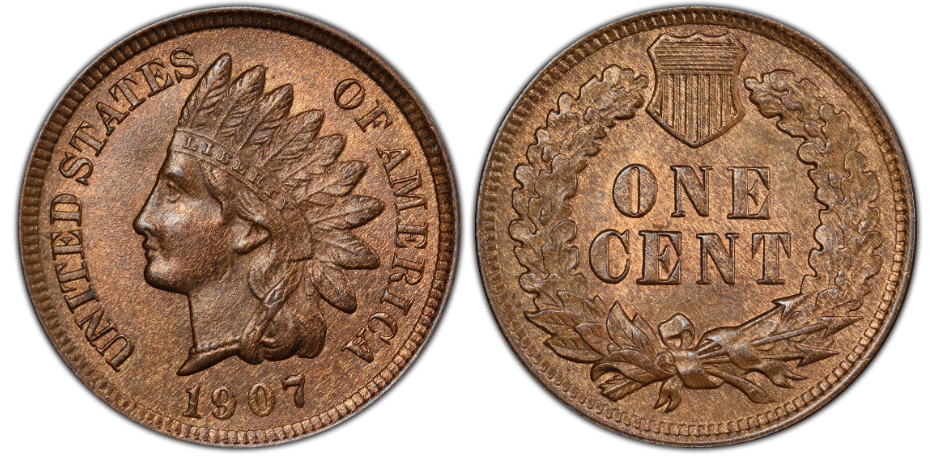
The 1907 Indian Head Cent is a significant piece in American numismatic history. This article dives into its value, rarity, and grading, offering insights for both collectors and investors. Whether you’re looking to buy, sell, or learn more about the 1907 Indian Head cent, this guide provides essential information to enhance your understanding of this classic coin.
Understanding the 1907 Indian Head Cent
The 1907 Indian Head cent, also known as the 1907 1c, represents a pivotal moment in U.S. coinage. Designed by James B. Longacre, this coin features a striking obverse design of a Native American headdress, symbolizing the nation’s heritage. The reverse showcases a laurel wreath encircling the denomination, encapsulating the aesthetic values of the era.
With a mintage of approximately 55 million coins, the 1907 Indian Head cent had a relatively high production rate, yet the condition and rarity of specific examples can significantly impact their value. Collectors often seek coins in uncirculated conditions, which exhibit minimal wear and retain their original luster.
What Factors Determine the Value of the 1907 Indian Head Cent?
The value of the 1907 Indian Head cent can fluctuate based on several factors, including condition, rarity, and market demand. Grading plays a crucial role in determining a coin’s worth, with uncirculated coins fetching the highest prices. Professional Coin Grading Service (PCGS) and Numismatic Guaranty Company (NGC) provide grading services that help collectors ascertain the quality of their coins.
Additionally, the mint mark, which indicates where the coin was produced, can also influence its value. Coins minted in Philadelphia typically do not carry a mint mark, while those from other mints may have differing levels of rarity and demand among collectors.





How to Grade the 1907 Indian Head Cent?
Grading a coin involves assessing its condition based on a standardized scale. The PCGS grading scale ranges from 1 (poor) to 70 (perfect). For the 1907 Indian Head cent, collectors aim for specimens graded 60 or better to ensure a higher resale value. Coins graded 65 or better are considered premium examples and attract a significant premium at auctions.
Key grading factors include wear on the coin’s high points, luster, and the presence of any blemishes or marks. A thorough understanding of grading criteria is essential for collectors who want to assess the value of their coins accurately.
What is the Rarity of the 1907 Indian Head Cent?
The rarity of the 1907 Indian Head cent affects its market value. While the overall mintage was high, specific examples in uncirculated condition are scarce. Collectors often reference auction results and price guides to stay informed about current market trends and the rarity of certain coins.
What is the Current Market Value of the 1907 Indian Head Penny?
The current market value of the 1907 Indian Head penny varies based on its condition and the presence of any unique features. As of now, prices for circulated coins can range from $2 to $5, while uncirculated coins, depending on their grade, can fetch anywhere from $50 to over $1,000.
Collectors should consult value guides and auction results to get a better sense of what similar coins have sold for recently. The dynamic nature of the coin market means that values can change quickly, making it crucial for collectors to stay informed.
Where Can You Buy 1907 Indian Head Cents?
Collectors can find 1907 Indian Head cents through various channels, including online marketplaces, coin dealers, and auctions. Websites like eBay and specialized numismatic sites often feature listings for these coins. When purchasing, it’s essential to verify the seller’s credibility and check for any guarantees or return policies.
For those looking to sell their coins, Accurate Precious Metals offers a reliable option for transactions. While they currently offer free shipping only if specified by order size, they plan to expand their services in the future.
What Are the Differences Between Regular Strike and Proof Coins?
The 1907 Indian Headcut was produced in both regular strike and proof versions. Regular strike coins, like most circulated coins, are struck with a standard minting process and are often found in varying conditions based on circulation. In contrast, proof coins are specially minted for collectors and feature higher-quality finishes and finer detail.
Proof coins typically command higher prices due to their lower mintage and superior quality. Collectors should be aware of these differences when assessing the value of a 1907 Indian Head cent.
What Makes the 1907 Indian Head Cent a Popular Choice Among Collectors?
The 1907 Indian Headcut remains a popular choice among collectors due to its historical significance and aesthetic appeal. The design, crafted by James B. Longacre, captures the spirit of the American frontier and resonates with many numismatists.
Additionally, the Indian Head Cent series has a rich collecting history, attracting both novice and seasoned collectors. Its unique design, historical context, and potential for investment make it an attractive option for coin collectors.
How to Care for Your 1907 Indian Head Cent?
Caring for your 1907 Indian Head cent ensures it maintains its value over time. Store coins in a cool, dry place away from direct sunlight and humidity. Use protective holders, such as coin flips or capsules, to prevent scratches and tarnishing.
Avoid cleaning the coin, as this can diminish its value and alter its surface. If necessary, consult a professional for advice on conservation and preservation techniques. Proper care can significantly enhance the longevity and value of your coin.
Frequently Asked Questions (FAQs)
What is the most valuable 1907 Indian Head cent?
The most valuable 1907 Indian Head cent typically features a high grade and excellent preservation. Uncirculated examples graded 65 or better can reach prices exceeding $1,000 at auction. Specific coins with unique attributes or historical significance also tend to fetch higher prices.
How can I tell if my 1907 Indian Head cent is uncirculated?
To determine if your 1907 Indian Head cent is uncirculated, examine its surface for any signs of wear. An uncirculated coin should show no signs of contact with other coins and maintain its original luster and detail. A professional grading service can provide a definitive assessment.
Are there any known errors for the 1907 Indian Head Cent?
While the 1907 Indian Head cent does not have many well-known error varieties, collectors should remain vigilant for any unusual characteristics. Minor errors can sometimes elevate a coin’s value due to its rarity.
How does the 1907 Indian Head cent compare to other Indian Head pennies?
The 1907 Indian Head cent shares similarities with other coins in the Indian Head penny series. However, specific years may have different mintage figures and rarity levels, impacting their market value. Collectors often compare their coins to determine which pieces hold greater significance.
Key Takeaways on the 1907 Indian Head Cent
- The 1907 Indian Head cent is a significant piece of numismatic history.
- Value depends on factors like condition, rarity, and market demand.
- Grading plays a crucial role in determining a coin’s worth.
- Uncirculated coins are the most sought-after among collectors.
- Accurate Precious Metals offers reliable transactions for buying and selling coins.
Sources
- Professional Coin Grading Service. “PCGS CoinFacts.” www.pcgs.com.
- Numismatic Guaranty Company. “NGC Coin Price Guide.” www.ngccoin.com.
eBay Partner Network. “eBay for Coin Collectors.” www.ebay.com


